

Moroccan Rugs: Spotting a Fake vs. Authentic Treasure [Guide]
Moroccan Rugs, with their vibrant colors, intricate patterns, and rich history, have captivated design enthusiasts for centuries. These beautiful textiles are more than just floor coverings; they are works of art that tell stories of the Berber tribes who meticulously handcraft them. However, the increasing popularity of these rugs has unfortunately led to a surge in imitations. Learning to differentiate between a genuine, traditionally crafted rug and a mass-produced replica is crucial for ensuring you’re investing in a piece of authentic Moroccan heritage. This guide will equip you with the knowledge to spot the difference and make an informed purchase.
Understanding the Essence of Authentic Moroccan Rugs
Before diving into the specifics of how to identify fakes, it’s essential to understand what makes an authentic rug truly special. These rugs are traditionally handmade by Berber women, often in rural areas of Morocco. The process is time-consuming and passed down through generations, involving intricate knotting or weaving techniques. The wool used is typically locally sourced, and the dyes were historically derived from natural sources like plants, minerals, and insects. Each rug is unique, reflecting the weaver’s personal creativity and storytelling.
The beauty of these rugs lies not only in their aesthetics but also in their imperfections. Slight variations in color, pattern, and knotting are testaments to their handmade nature. These imperfections don’t diminish the rug’s value; instead, they contribute to its charm and authenticity.
Key Characteristics of Authentic Moroccan Rugs
Material: Authentic rugs are primarily made of high-quality, natural wool. Look for a rug that feels soft and durable. Some rugs may also incorporate cotton or silk, but wool should be the dominant fiber. Avoid rugs made from synthetic materials like nylon or acrylic, as these are telltale signs of a fake.
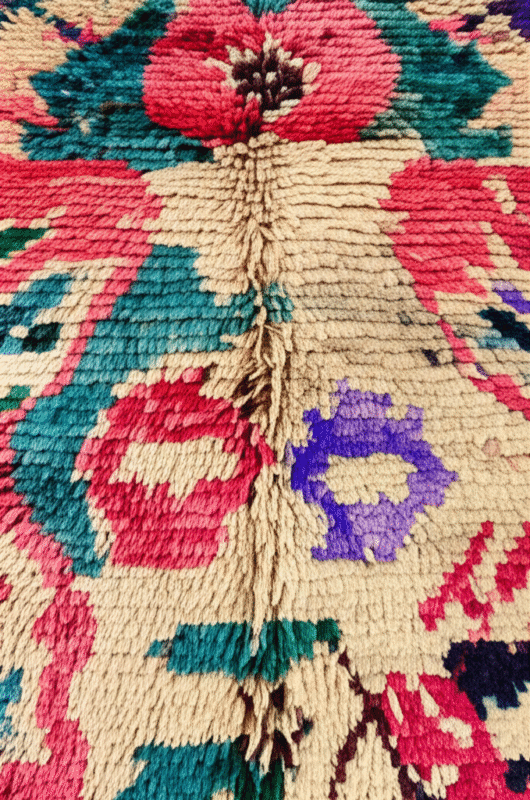
Dyes: Historically, natural dyes were used, resulting in rich, earthy tones. While some modern authentic rugs may use synthetic dyes, the colors should still appear somewhat muted and natural, not overly bright or artificial. Subtle variations in color across the rug are also a sign of natural dyes.
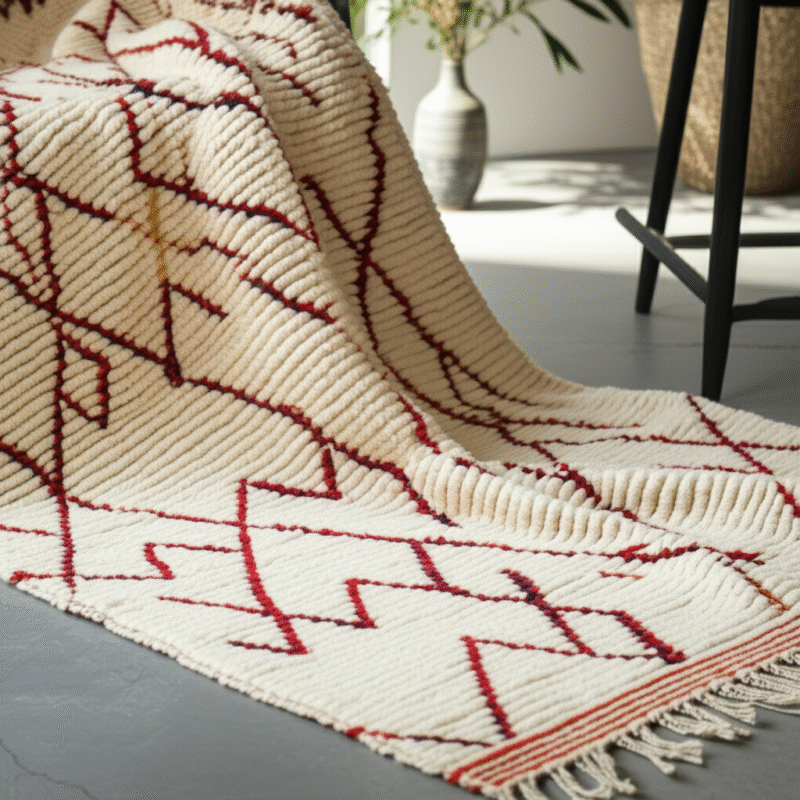
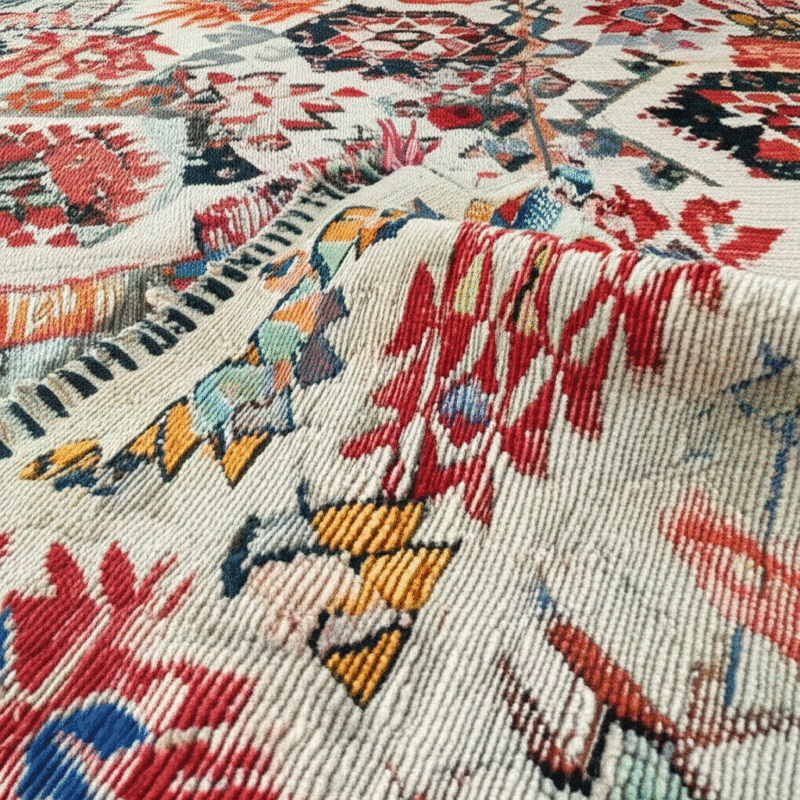
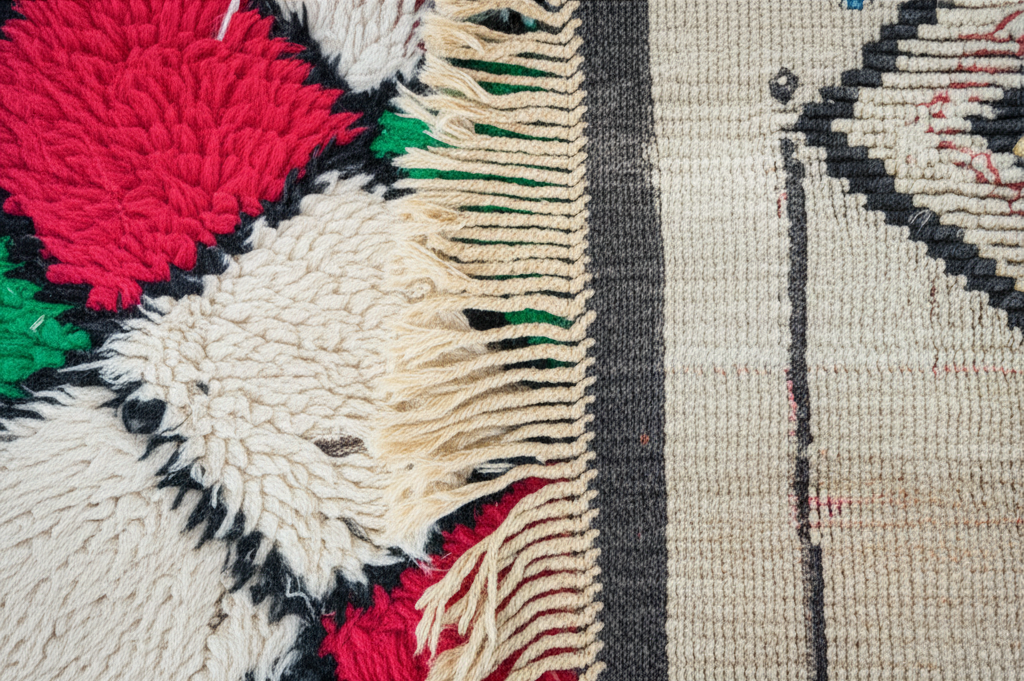
Knotting & Weaving: The knotting or weaving should be uneven and slightly imperfect, demonstrating the hand-crafted nature of the rug. Look closely at the back of the rug; the knots should be visible and irregular. Perfectly uniform knots are a sign of machine-made imitation.
Design & Patterns: Authentic rugs often feature traditional Berber motifs and symbols that carry cultural significance. These patterns can range from geometric shapes to stylized figures of animals and plants. Be wary of rugs with generic or overly symmetrical designs, as these are often mass-produced.
Fringe: The fringe on authentic rugs is typically an extension of the warp threads, meaning it’s part of the rug’s structure. It may be knotted, braided, or simply left loose. On fake rugs, the fringe is often sewn on separately.
How to Spot a Fake: Red Flags to Watch Out For
The market is flooded with imitation rugs that attempt to replicate the look of authentic Moroccan pieces. Here are some telltale signs that a rug might be fake:
Synthetic Materials: As mentioned earlier, the presence of synthetic materials like nylon or acrylic is a major red flag. These materials are cheaper and easier to work with, making them a popular choice for counterfeiters.
Perfect Symmetry and Uniformity: Machine-made rugs are often perfectly symmetrical and uniform, lacking the slight imperfections that characterize handmade pieces. Pay close attention to the design, knotting, and color variations.
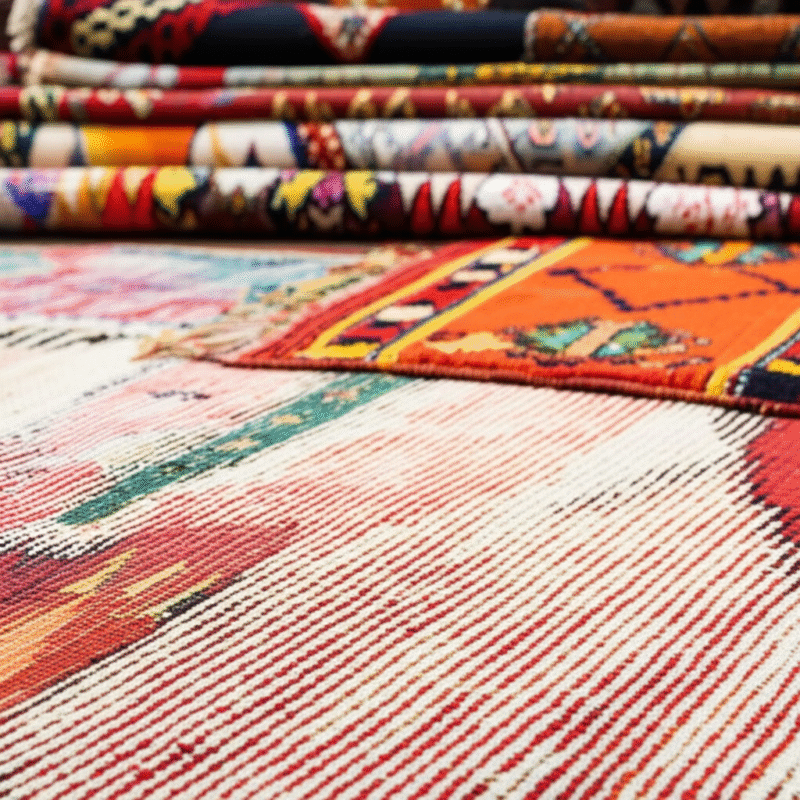
Bright, Artificial Colors: Overly bright, saturated colors that appear unnatural are often a sign of synthetic dyes. Authentic rugs, even those using synthetic dyes, tend to have more muted and earthy tones.
Sewn-On Fringe: If the fringe looks like it has been sewn on separately, rather than being part of the rug’s structure, it’s likely a fake.
Low Price: Be wary of rugs that are priced significantly lower than similar authentic pieces. While it’s possible to find good deals, a price that seems too good to be true often indicates a fake.
Generic Designs: Rugs with generic or overly simplistic designs, lacking the traditional Berber motifs, are often mass-produced imitations.
Lack of Documentation: Reputable sellers of authentic rugs should be able to provide documentation or information about the rug’s origin, materials, and craftsmanship.
Focus Keyword: Identifying Handmade Moroccan Rugs Authenticity
Identifying the authenticity of handmade moroccan rugs requires careful examination and a discerning eye. Aside from the aforementioned points, look for signs of wear and tear that are consistent with age and use. Authentic vintage rugs will often have slight fading or imperfections that add to their character. Feel the rug; the texture should be unique and not perfectly smooth like a machine-made piece. These signs, combined with the other details, will allow you to determine if it is a carefully crafted piece or an imitation.
Buying with Confidence
Purchasing an authentic rug is an investment, both financially and aesthetically. Here are some tips for buying with confidence:
Buy from Reputable Dealers: Choose to buy from reputable dealers who specialize in Moroccan rugs and have a proven track record of selling authentic pieces.
Ask Questions: Don’t hesitate to ask the seller questions about the rug’s origin, materials, and craftsmanship. A knowledgeable seller should be able to provide detailed information.
Examine the Rug Carefully: Take your time to examine the rug carefully, looking for the key characteristics mentioned above.
Get a Certificate of Authenticity: If possible, ask the seller for a certificate of authenticity, which can provide an extra layer of assurance.
* Trust Your Instincts: Ultimately, trust your instincts. If something feels off or too good to be true, it probably is.
By following these guidelines, you can confidently navigate the world of and invest in a piece of authentic Moroccan artistry that will bring beauty and character to your home for years to come. Remember to appreciate the unique story each rug tells, adding a touch of Berber tradition to your space.