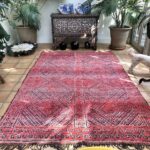



- Moroccan Rugs: Stunning, Handmade, and Surprisingly Affordable
- The Allure of Berber Craftsmanship
- Decoding the Designs
- The Affordability Factor: Finding Your Perfect Piece
- Integrating Moroccan Rugs Into Your Home
- Caring for Your Handmade Moroccan Rug
- Conclusion: A Timeless Investment
Moroccan Rugs: Stunning, Handmade, and Surprisingly Affordable
Moroccan rugs, with their vibrant colors, intricate patterns, and rich history, have captivated the world of interior design for decades. More than just floor coverings, these textiles are works of art, each telling a unique story through its symbols and designs. What makes them truly special is the combination of their stunning aesthetic, the meticulous handmade process, and the fact that, despite their perceived luxury, they can often be found at surprisingly affordable prices.
The Allure of Berber Craftsmanship
The story of Moroccan rugs begins with the Berber people, the indigenous inhabitants of North Africa. For centuries, Berber women have been the weavers of these magnificent textiles, passing down their skills and traditions from generation to generation. The techniques used are ancient, often involving hand-spinning the wool, using natural dyes derived from plants and minerals found in the region, and meticulously knotting each piece by hand.
This handmade quality is what gives each rug its distinct character and charm. Imperfections are embraced, adding to the rug’s authenticity and making it a truly one-of-a-kind piece. Unlike machine-made rugs, which are often mass-produced and lack personality, Berber rugs offer a glimpse into the culture and artistry of the people who created them.
Decoding the Designs
The patterns found on Moroccan rugs are not merely decorative; they are steeped in symbolism and meaning. Geometric shapes, tribal motifs, and abstract designs are often used to represent various aspects of Berber life, such as fertility, protection, and nature. For example, a diamond shape might symbolize the female form, while zigzags could represent water or movement.
Different regions of Morocco are known for producing rugs with distinct styles and motifs. For instance, Beni Ourain rugs, known for their minimalist geometric designs and plush pile, originate from the Atlas Mountains. Azilal rugs, on the other hand, are characterized by their vibrant colors and free-form patterns, reflecting the creativity of the Azilal Berber tribe. Understanding these regional variations can help you choose a rug that resonates with your personal style and preferences.
The Affordability Factor: Finding Your Perfect Piece
While some antique Moroccan rugs can fetch exorbitant prices, it’s still possible to find stunning, handmade pieces that won’t break the bank. Several factors contribute to the affordability of these rugs.
Direct Sourcing: Buying directly from Moroccan artisans or importers who work directly with them can significantly reduce costs by cutting out the middleman. Look for ethical businesses that prioritize fair trade practices and ensure that artisans receive a fair price for their work.
Size and Material: Smaller rugs, naturally, tend to be more affordable than larger statement pieces. Also, rugs made from different types of wool or incorporating other materials like cotton or synthetics can be more budget-friendly.
Age & Condition: Antique rugs in pristine condition are naturally more valuable, but slightly older or gently used rugs can offer a similar aesthetic at a more accessible price point. Embrace the character that comes with age, as it adds to the rug’s story.
Sale Season: Keep an eye out for sales and promotions offered by rug retailers, particularly during holidays or seasonal clearances.
Integrating Moroccan Rugs Into Your Home
Moroccan rugs are incredibly versatile and can complement a wide range of interior design styles. Their unique aesthetic can add warmth, texture, and personality to any room. Here are a few ideas for incorporating them into your home:
Living Room Focal Point: A large Berber rug can serve as the centerpiece of your living room, anchoring your furniture and creating a cozy and inviting atmosphere.
Bedroom Retreat: Place a smaller rug next to your bed for a touch of warmth and style. The soft texture underfoot will be a welcome comfort in the morning.
Hallway Runner: A long, narrow rug can add character and visual interest to hallways or entryways.
Layering for Texture: Don’t be afraid to layer Moroccan rugs with other textiles to create a rich and eclectic look.
Wall Art: In smaller sizes, these rugs can even be artfully displayed on the wall.
Caring for Your Handmade Moroccan Rug
To ensure that your Moroccan rug lasts for generations, proper care and maintenance are essential. Here are a few tips:
Vacuum Regularly: Vacuum your rug regularly to remove dirt and debris. Avoid using a beater bar, as it can damage the delicate fibers.
Spot Clean Spills Immediately: Blot spills immediately with a clean, absorbent cloth. Avoid rubbing, as this can spread the stain.
Professional Cleaning: Have your rug professionally cleaned every few years to remove accumulated dirt and grime.
Rotate Your Rug: Rotate your rug regularly to ensure even wear.
Use a Rug Pad: A rug pad will help to protect your rug from wear and tear, as well as prevent it from slipping.
Conclusion: A Timeless Investment
Investing in a Moroccan rug is not just about buying a floor covering; it’s about acquiring a piece of art, history, and culture. Their handmade nature and unique designs make them a timeless addition to any home. The surprising affordability allows you to enjoy the beauty and craftsmanship of these remarkable textiles without breaking the bank. So, explore the world of Moroccan rugs and discover the perfect piece to add warmth, character, and a touch of exotic elegance to your living space.