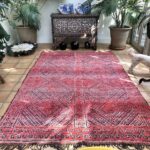



- Moroccan Rugs: Your Guide to the Best Handmade Berber Treasures
- The Legacy of Berber Rugs
- Unveiling the Diversity of Moroccan Rugs
- Appreciating the Art Of Handmade Moroccan Rugs
- Finding the Right Moroccan Rug for Your Space
- Caring for Your Moroccan Rug
Moroccan Rugs: Your Guide to the Best Handmade Berber Treasures
Marokkanische Teppiche are more than just floor coverings; they are vibrant pieces of art, steeped in history and cultural significance. These beautifully crafted textiles, especially the handmade Berber rugs, have captivated hearts and homes for centuries, telling stories through intricate patterns and rich, natural dyes. If you’re looking to add a touch of exotic elegance and authentic craftsmanship to your space, understanding the world of Moroccan rugs is essential. This guide will delve into the captivating world of these treasures, offering insights into their origins, variations, and how to find the perfect piece to adorn your home.
The Legacy of Berber Rugs
The story of this kind of textile begins with the Berber people, the indigenous inhabitants of North Africa. For generations, Berber women have been the custodians of this art form, weaving rugs not only for practical use but also as expressions of personal and tribal identity. Each rug is a testament to the weaver’s skill, creativity, and connection to her cultural heritage.
These rugs were originally made for practical purposes: to provide warmth in the harsh desert climate, serve as blankets, and even act as saddle coverings. The designs were passed down through generations, each motif carrying a unique meaning reflecting beliefs, experiences, and the natural world. Over time, these practical necessities evolved into stunning works of art, sought after by collectors and design enthusiasts worldwide.
Unveiling the Diversity of Moroccan Rugs
The charm of this kind of textile lies in its extraordinary diversity. Different regions and tribes boast unique weaving techniques, color palettes, and symbolic patterns. Understanding these variations is crucial when choosing the perfect rug for your space. Here are a few popular types:
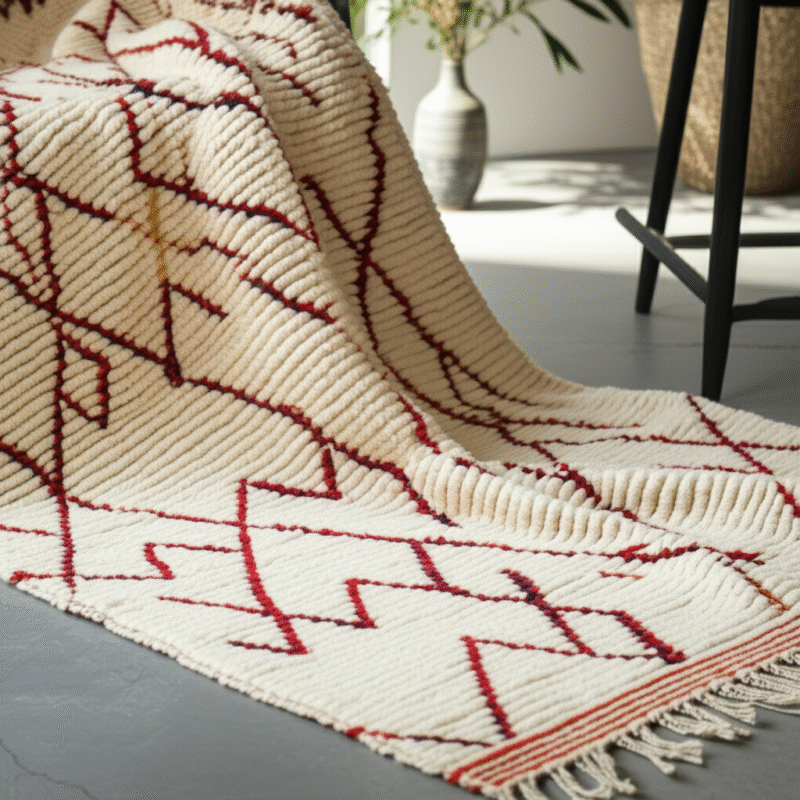
Beni Ourain: Perhaps the most recognizable type, Beni Ourain rugs are known for their thick, plush pile, minimalist geometric designs, and neutral color palette (primarily ivory and black). They originate from the Beni Ourain tribes in the Atlas Mountains. These rugs are incredibly soft and luxurious, making them ideal for bedrooms and living rooms.
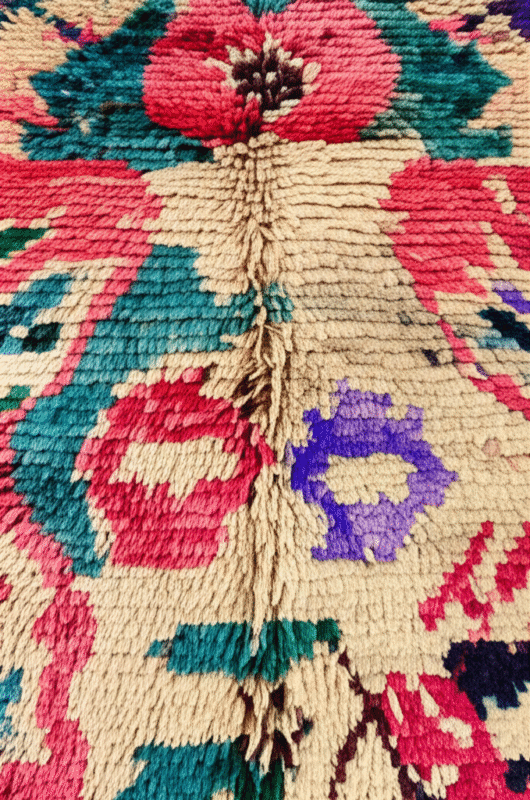
Azilal: Woven by the women of the Azilal region, these rugs are distinguished by their vibrant colors, abstract patterns, and playful designs. Often incorporating symbols representing fertility, nature, and Berber folklore, Azilal rugs bring a bold and expressive touch to any space.
Boujad: Boujad rugs are characterized by their striking combinations of deep reds, oranges, pinks, and purples. These rugs often feature free-flowing patterns and unique, almost abstract compositions. They add warmth and visual interest to a room, making them perfect for creating a cozy and inviting atmosphere.
Boucherouite: Unlike other moroccan rugs woven with wool, Boucherouite rugs are crafted from recycled textile scraps, giving them a unique texture and sustainable appeal. These rugs are characterized by their bold colors, unconventional patterns, and playful, almost folk-art aesthetic. They are a great choice for adding a bohemian or eclectic touch to your home.
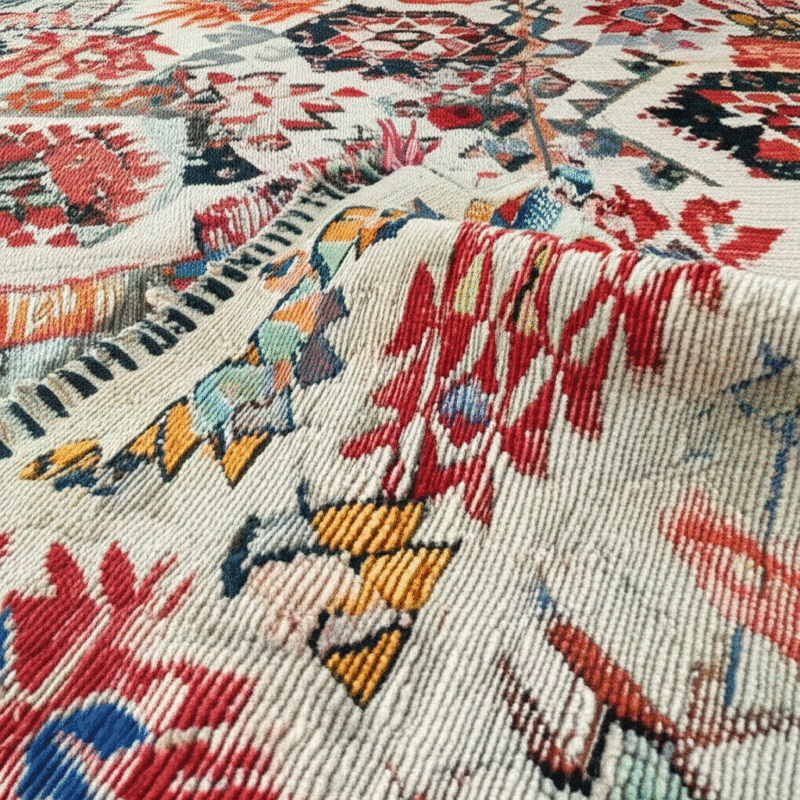
Kilim: While technically a flatweave, Kilim rugs are often included under the umbrella of moroccan rugs. They lack the pile of classic rugs, making them lighter and more versatile. Kilims feature intricate geometric designs and vibrant colors, offering a durable and stylish option for high-traffic areas.
Appreciating the Art Of Handmade Moroccan Rugs
The beauty of this kind of textile lies not only in their visual appeal but also in the meticulous process involved in their creation. From shearing the sheep and spinning the wool to dyeing the fibers and weaving the intricate patterns, each step is carried out by hand, using traditional techniques passed down through generations.
The wool used in these rugs is typically sourced from local sheep, known for their high-quality fibers. Natural dyes, derived from plants, minerals, and insects, create the rich and nuanced colors that characterize many moroccan rugs. The weaving process itself is a labor of love, often taking weeks, or even months, to complete a single rug. Each knot is tied by hand, ensuring the rug’s durability and longevity.
The imperfections inherent in handmade items contribute to their unique charm and character. Slight variations in color, pattern, and texture are not flaws but rather evidence of the rug’s authenticity and its connection to the weaver’s individual artistry.
Finding the Right Moroccan Rug for Your Space
With so many options available, choosing the right moroccan rug can feel overwhelming. Here are a few tips to guide your selection:
Consider your style: Do you prefer a minimalist aesthetic, a bohemian vibe, or a more traditional look? Choose a rug whose design and color palette complement your existing decor.
Think about the size and shape: Measure the space where you plan to place the rug and choose a size that fits comfortably within the room. Consider the shape of the rug as well – a rectangular rug can define a seating area, while a round rug can add softness to a corner.
Assess the quality: Look for rugs made from high-quality wool with tight, even knots. Inspect the dye used to ensure it is colorfast and resistant to fading.
* Be wary of imitations: Unfortunately, the popularity of moroccan rugs has led to the proliferation of mass-produced imitations. Look for rugs that are clearly labeled as handmade and ethically sourced. Buying directly from artisans or reputable dealers is a good way to ensure authenticity.
Caring for Your Moroccan Rug
With proper care, a Berber rug can last for generations. Regular vacuuming helps to remove dirt and debris, while professional cleaning every few years can help to maintain its vibrancy. Avoid placing your rug in direct sunlight, as this can cause the colors to fade. Address spills promptly by blotting with a clean cloth.
Investing in a handmade specimen is not just about acquiring a beautiful floor covering; it’s about supporting a centuries-old tradition, celebrating the artistry of Berber women, and bringing a piece of Moroccan culture into your home. With its unique charm, enduring beauty, and rich history, a specimen will undoubtedly become a cherished heirloom for years to come.