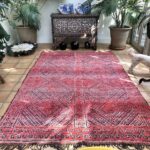



Moroccan Rugs: Unveiling the Beauty and Allure of Handmade Berber Artistry
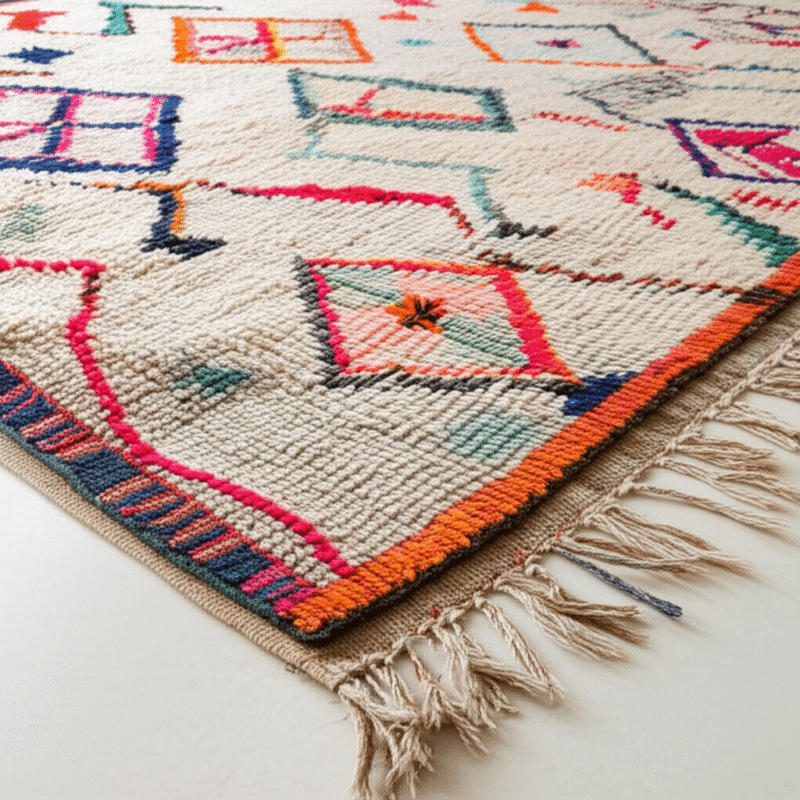
Marokkanische Teppiche have captivated the world with their intricate designs, vibrant colors, and rich cultural history. More than just floor coverings, these handmade Berber creations are works of art that tell stories woven through generations. But before you fall under their spell, it’s important to understand the nuances of owning a genuine Moroccan rug, weighing the pros and cons to ensure it’s the perfect fit for your home and lifestyle.
A Tapestry of Heritage: Appreciating the Berber Tradition
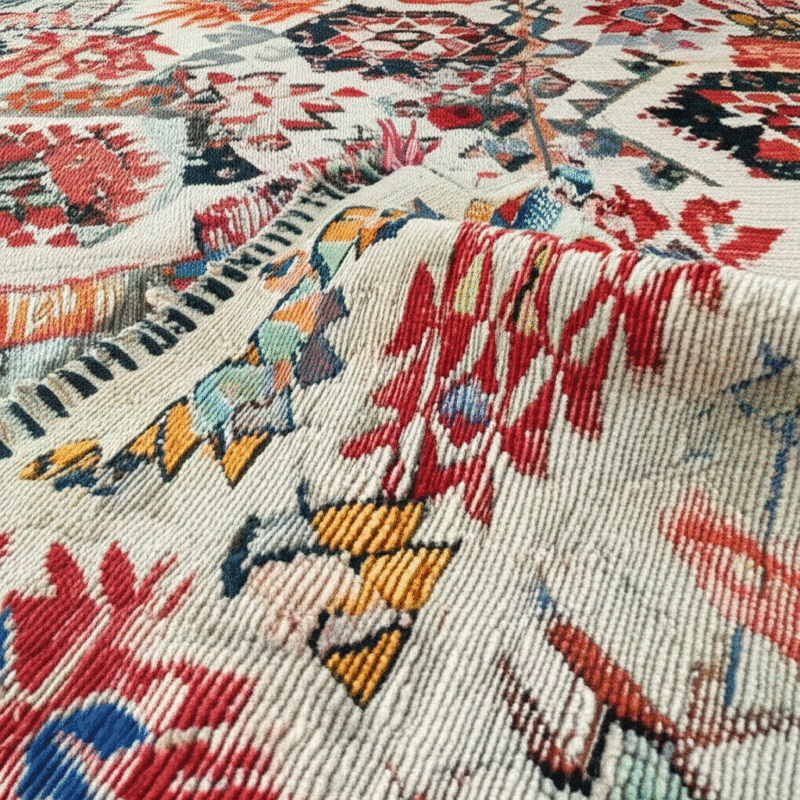
The history of Moroccan rugs is deeply intertwined with the Berber people, the indigenous inhabitants of North Africa. For centuries, Berber women have meticulously hand-knotted these rugs, using natural wool sourced from local sheep. The designs are far from random; they are steeped in symbolism, reflecting the weaver’s personal experiences, beliefs, and aspirations. Geometric patterns, tribal motifs, and vibrant hues often represent fertility, protection, nature, and family history.
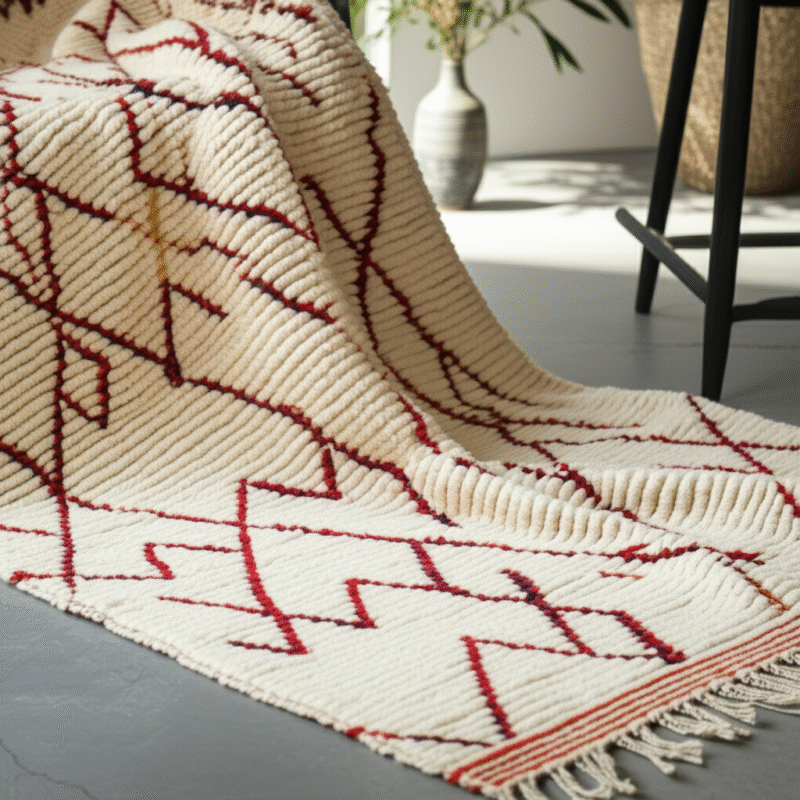
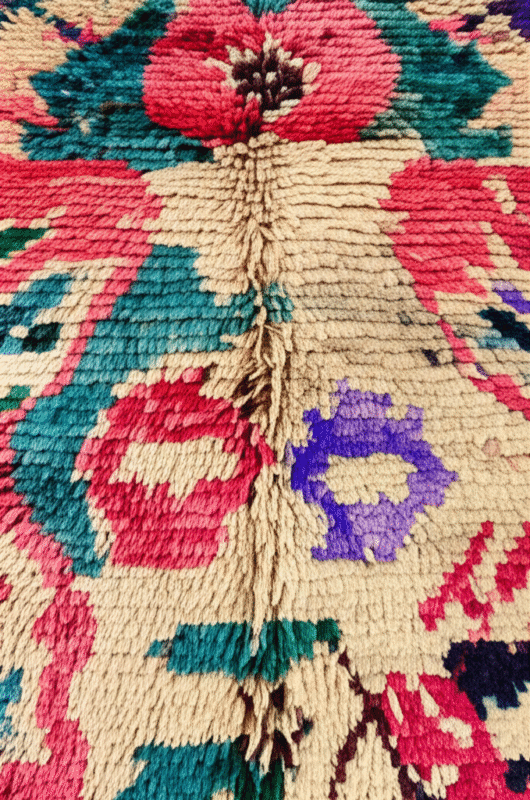
Each region of Morocco boasts its own distinctive style of rug making. For example, Beni Ourain rugs, known for their plush wool and minimalist geometric patterns, originate from the Atlas Mountains. Azilal rugs, characterized by their vibrant colors and bold designs, come from the Azilal region. Boujad rugs, often featuring abstract patterns and a mix of bright and muted colors, are woven in the Haouz region. Understanding these regional variations allows you to appreciate the diversity and artistry of Moroccan rug making.
The Allure of Handmade Moroccan Rugs: Why Choose Berber?
There’s a certain magic to owning something truly handmade, and Moroccan rugs are no exception. Here’s what makes them so special:
Unparalleled Craftsmanship: Each rug is a testament to the weaver’s skill and dedication, taking weeks, sometimes months, to complete. The intricate knots and carefully chosen colors are a testament to their artistic vision.
Unique and Authentic: Because they are handmade, no two Moroccan rugs are ever exactly alike. Each one possesses its own unique quirks and imperfections, adding to its character and charm.
Durable and Long-Lasting: Made from high-quality, natural wool, Moroccan rugs are incredibly durable and can withstand years of wear and tear. With proper care, they can become cherished heirlooms, passed down through generations.
Sustainable and Ethical: Supporting the purchase of handmade Moroccan rugs directly benefits the Berber communities, helping to preserve their traditional craft and provide them with a sustainable livelihood.
Adds Character and Warmth: A beautiful Moroccan rug can instantly transform a room, adding warmth, texture, and a touch of exotic charm. They can complement a variety of interior styles, from bohemian and eclectic to modern and minimalist.
Delving Deeper: The Pros and Cons of Owning a Moroccan Rug
While the allure of these beautiful textiles is undeniable, it’s important to consider both the advantages and disadvantages before investing in a handmade Moroccan rug:
Pros:
Timeless Beauty and Style: Moroccan rugs transcend trends, adding a touch of timeless elegance and exotic charm to any space.
Durable and Long-lasting: High-quality wool and expert craftsmanship ensure longevity, making them a worthwhile investment.
Unique Art Piece: Each rug is a one-of-a-kind creation, imbued with the artisan’s skill and cultural heritage.
Comfort and Warmth: The plush wool provides a soft and comfortable surface underfoot, perfect for creating a cozy atmosphere.
Versatile Decoration: Easily complementing several design ideas, from bohemian aesthetics to modern tastes, it brings flexibility to interior design.
Supports Berber Communities: Buying authentic rugs helps preserve cultural practices and support the artisans financially.
Cons:
Price: Genuine handmade Moroccan rugs can be expensive, especially those made with high-quality wool and intricate designs.
Shedding: New wool rugs, particularly Beni Ourain rugs, may shed fibers initially. Regular vacuuming can help minimize this.
Cleaning and Maintenance: While durable, Moroccan rugs require special care to maintain their beauty. Professional cleaning is often recommended.
Variations in Color and Design: Due to the handmade nature of these rugs, variations in color and design are to be expected. This can be a pro for some, but a con for those seeking perfect uniformity.
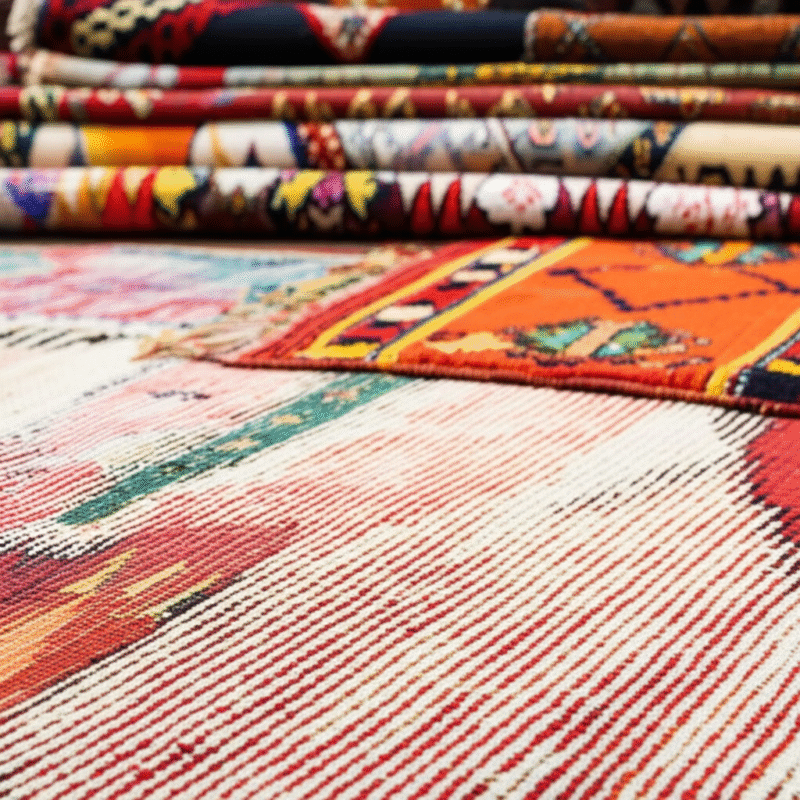
Finding Authentic Rugs: The market can be saturated with machine-made replicas. It’s crucial to buy from reputable dealers to ensure authenticity and fair trade practices.
Finding the Perfect Berber rug: Key Considerations
When searching for your perfect Moroccan rug, keep these tips in mind:
Research reputable dealers: Look for dealers with a proven track record of sourcing authentic rugs and supporting fair trade practices.
Assess the wool quality: High-quality wool will feel soft, dense, and durable.
Examine the design: Look for intricate knotting, vibrant colors, and culturally significant motifs.
Consider the size and shape: Choose a rug that complements the size and shape of your space.
Inspect for imperfections: Minor imperfections are common in handmade rugs and add to their character. However, be wary of significant damage or poor workmanship.
Ask questions: Don’t hesitate to ask the dealer about the rug’s origin, materials, and care instructions.
Caring for Your Investment
With proper care, your Moroccan rug will last for generations. Follow these guidelines:
Vacuum regularly: Vacuum your rug at least once a week to remove dirt and debris.
Spot clean spills immediately: Use a clean, damp cloth to blot spills. Avoid rubbing, as this can damage the fibers.
Professional cleaning: Have your rug professionally cleaned every 1-2 years.
Rotate your rug: Rotate your rug every few months to distribute wear evenly.
* Use a rug pad: A rug pad will protect your floors, prevent your rug from slipping, and extend its lifespan.
In Conclusion:
Marokkanische Teppiche, especially the handmade Berber ones, are more than just decorative items; they are stories woven in wool, cultural touchstones, and works of art. While they require an investment and a commitment to proper care, the beauty, durability, and historical significance they bring to your home make them a truly rewarding addition. By understanding the pros and cons and conducting thorough research, you can find the perfect rug to cherish for years to come.