

- Moroccan Rugs: Stunning, Handmade Berber – Are They Really Worth It?
- A Journey Through History: The Origins of Berber Rugs
- The Allure of Handmade Berber Rugs
- Factors Influencing the Price of Moroccan Rugs
- Moroccan Rugs: Worth the Investment?
- Making an Informed Decision
Moroccan Rugs: Stunning, Handmade Berber – Are They Really Worth It?
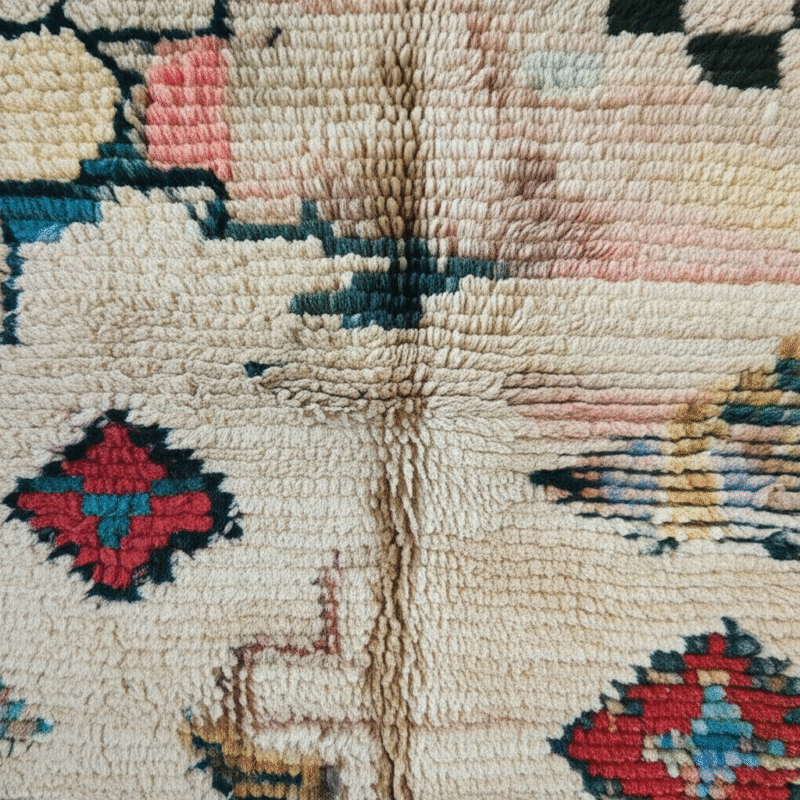
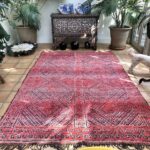
Marokkanische Teppiche are more than just floor coverings; they are woven stories, tangible pieces of art that bring warmth, character, and a touch of exotic history to any space. Known for their vibrant colors, intricate patterns, and exceptional craftsmanship, these handmade Berber treasures have captivated designers and homeowners alike. But with their increasing popularity, a crucial question arises: Are they truly worth the investment? Let’s delve deeper into the world of Moroccan rugs, exploring their origins, unique characteristics, and the factors that contribute to their value.
A Journey Through History: The Origins of Berber Rugs
The story of Moroccan rugs is intertwined with the rich history and cultural heritage of the Berber people, the indigenous inhabitants of North Africa. For centuries, Berber women have been the custodians of this intricate weaving tradition, passing down techniques and symbolic designs from generation to generation. These rugs were not merely functional objects; they served as vital components of nomadic life, providing warmth, protection, and even serving as bedding and saddle blankets.
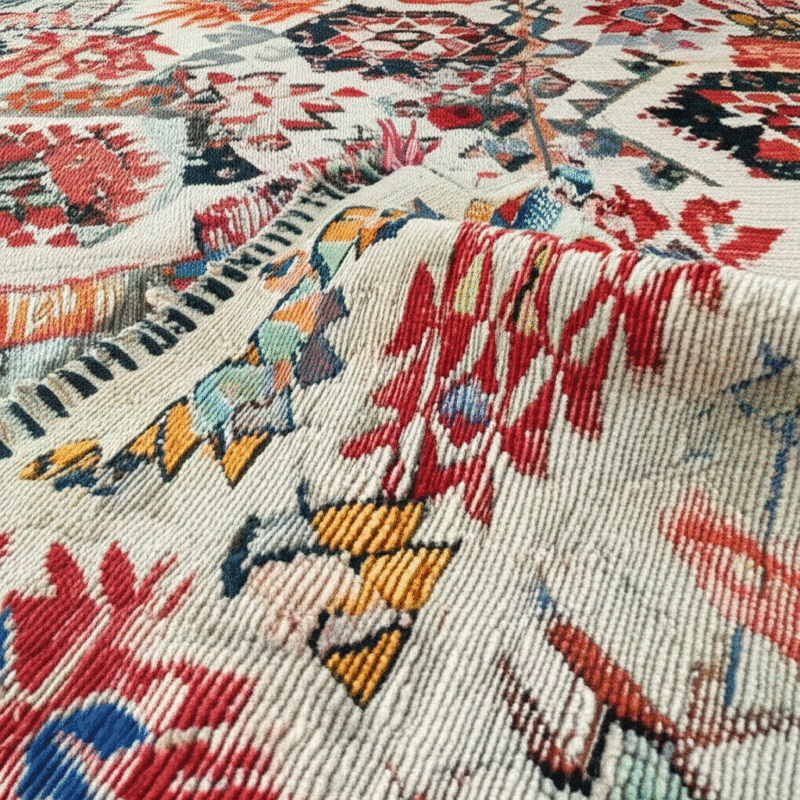
The motifs woven into each rug are not random; they are laden with symbolism, often reflecting the weaver’s personal experiences, beliefs, and tribal affiliation. Common themes include fertility, protection, and family, depicted through geometric shapes, abstract figures, and animal representations. Each rug is a unique narrative, a visual testament to the weaver’s skill and cultural identity.
The Allure of Handmade Berber Rugs
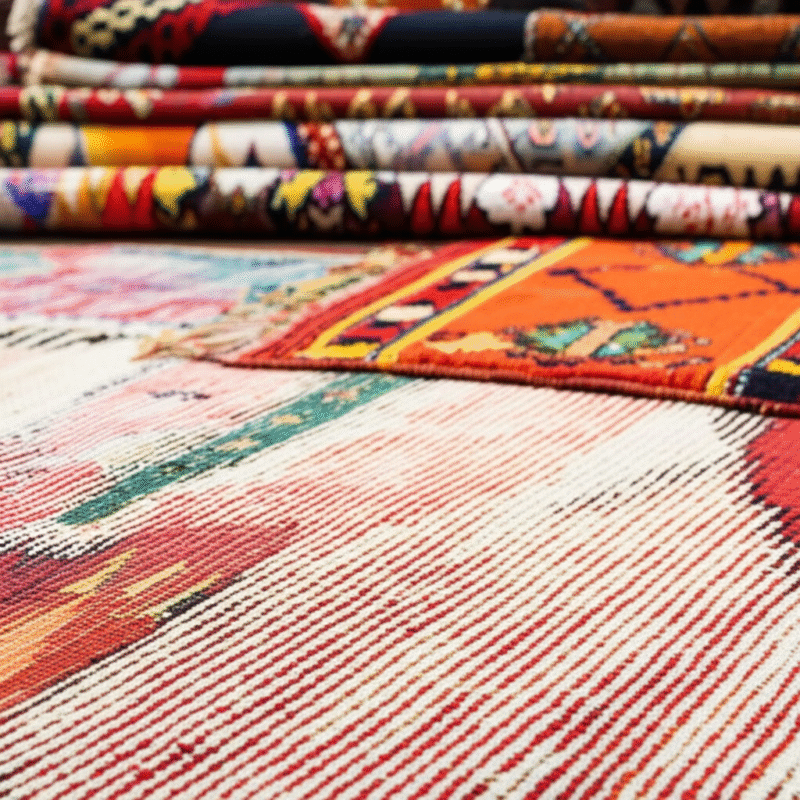
What truly sets Moroccan rugs apart from mass-produced alternatives is their handmade nature. The process is incredibly labor-intensive, requiring immense skill and patience. From sourcing the finest sheep wool to hand-knotting each individual strand, every step is meticulously executed. Different regions and tribes have developed their own distinct styles, leading to a remarkable diversity in design and technique.
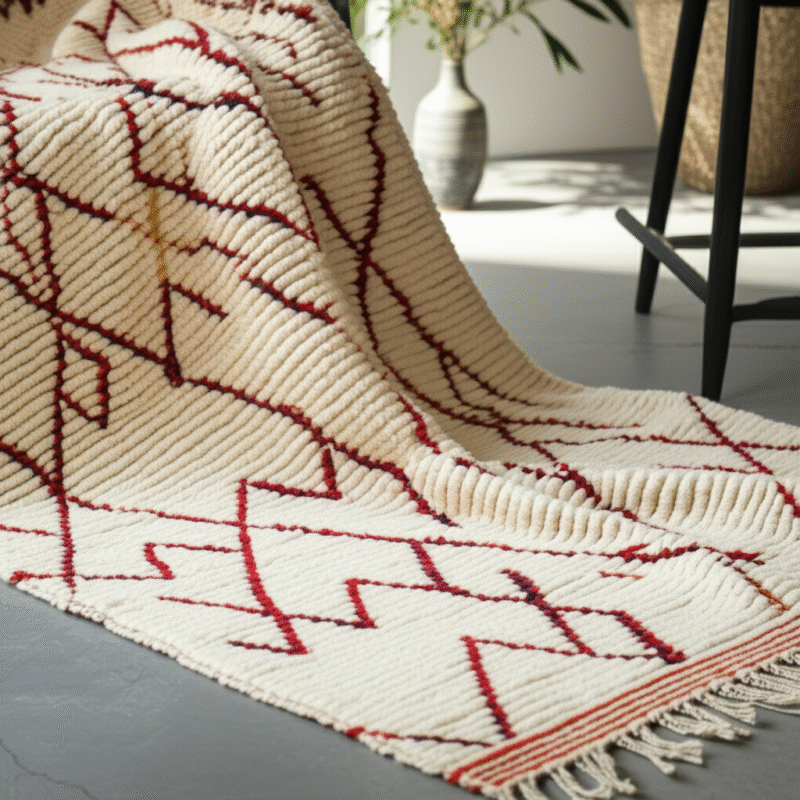
Beni Ourain Rugs: Known for their plush, creamy-white wool and minimalist geometric patterns, these rugs are a popular choice for minimalist and Scandinavian-inspired interiors.
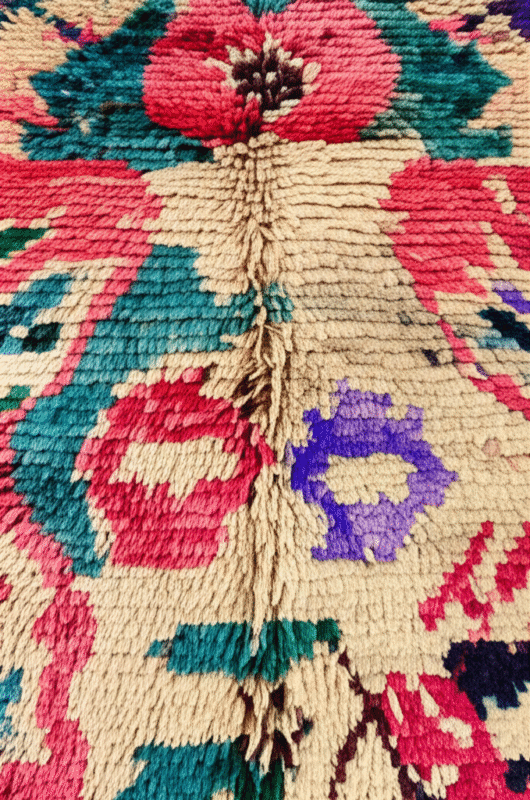
Azilal Rugs: These rugs are famous for their vibrant colors and playful, often abstract, designs. They typically incorporate natural dyes derived from plants and minerals.
Boucherouite Rugs: Made from recycled fabric scraps, these rugs are a testament to Berber ingenuity and resourcefulness. They are incredibly unique and add a bohemian touch to any room.
Talsint Rugs: Known for their rich, dark hues and intricate diamond patterns, these rugs offer a touch of rustic elegance.
The handmade quality not only ensures exceptional durability but also imbues each rug with a unique character that no machine-made imitation can replicate. Imperfections are embraced as part of the rug’s charm, a testament to its authentic origin and the human touch involved in its creation.
Factors Influencing the Price of Moroccan Rugs
The price of a Moroccan rug can vary significantly depending on several factors. Understanding these factors can help you make an informed decision when investing in one of these stunning pieces.
Material: The quality of the wool is a significant price determinant. Rugs made from high-grade, hand-spun wool will naturally command a higher price.
Knot Density: A higher knot density generally indicates a more intricate design and a more durable rug, contributing to its value.
Size: Larger rugs require more time and materials to create, thus commanding higher prices.
Age: Antique Moroccan rugs, particularly those with well-preserved designs and historical significance, can be incredibly valuable.
Design Complexity: Intricate designs and the use of rare or natural dyes will increase the rug’s price.
Origin and Tribe: Rugs from certain well-known tribes or specific regions may be more sought after and thus command a higher premium.
Moroccan Rugs: Worth the Investment?
After considering the history, craftsmanship, and factors influencing price, the question remains: are Moroccan rugs worth the investment? The answer, unequivocally, leans toward yes, but with careful consideration.
Here’s why:
Durability and Longevity: High-quality, handmade Moroccan rugs are incredibly durable and can last for generations with proper care. This makes them a worthwhile investment that transcends fleeting trends.
Unique Artistic Value: Each rug is a one-of-a-kind piece of art, imbued with cultural significance and artistic expression. Owning a Moroccan rug is akin to owning a piece of history.
Versatility and Timeless Appeal: Marokkanische Teppiche seamlessly blend with various interior design styles, adding warmth, texture, and visual interest to any space. Their timeless appeal ensures that they remain relevant and stylish for years to come.
Investment Potential: Antique or exceptionally well-crafted Moroccan rugs can appreciate in value over time, making them a potential investment opportunity.
However, it’s crucial to be a discerning buyer. Due to their popularity, many imitations are flooding the market. Take the time to research reputable vendors who work directly with Berber artisans or have a proven track record of sourcing authentic rugs. Inspect the quality of the wool, the intricacy of the design, and the overall craftsmanship.
Making an Informed Decision
Before investing in a Moroccan rug, consider the following:
Budget: Determine how much you are willing to spend.
Style: Choose a style that complements your existing decor.
Size: Measure your space to ensure the rug fits appropriately.
Vendor: Research reputable vendors and ask questions about the rug’s origin and authenticity.
* Care: Understand the proper care requirements to maintain the rug’s beauty and longevity.
In conclusion, Moroccan rugs are more than just decorative items; they are investments in artistry, history, and cultural heritage. While the initial cost may seem significant, their durability, unique character, and timeless appeal make them a worthwhile addition to any home. By carefully considering your needs and doing your research, you can find a handmade Berber treasure that will enrich your space and be cherished for years to come.