

Spotting Fake vs. Authentic Best Handmade Berber Moroccan Rugs
Moroccan rugs, with their vibrant colors, intricate patterns, and rich cultural history, have captivated homeowners and designers for decades. But as their popularity surges, so does the proliferation of imitations. Identifying a genuine, best handmade Berber rug from a mass-produced copy requires a discerning eye and a little knowledge. This guide will equip you with the tools to navigate the market and ensure you’re investing in a true piece of Moroccan artistry.
The Allure of Berber Rugs
Berber rugs aren’t just decorative textiles; they’re tangible expressions of Berber culture, passed down through generations. Handwoven by skilled artisans from various Berber tribes across Morocco, each rug tells a story through its unique motifs and symbols. These symbols often represent fertility, protection, spirituality, and the weaver’s personal experiences. The artistry and craftsmanship involved in creating these rugs are unparalleled, making them highly prized additions to any home.
Understanding the Characteristics of Authentic Moroccan Rugs
Before diving into the specifics of spotting fakes, let’s outline the defining characteristics of an authentic, best handmade Berber rug:
Material: Genuine rugs are typically made from 100% sheep’s wool, sourced locally in Morocco. The quality of the wool can vary, affecting the rug’s softness and durability.
Craftsmanship: Hand-knotting is a hallmark of authenticity. The individual knots create a dense, durable pile that can withstand decades of use.
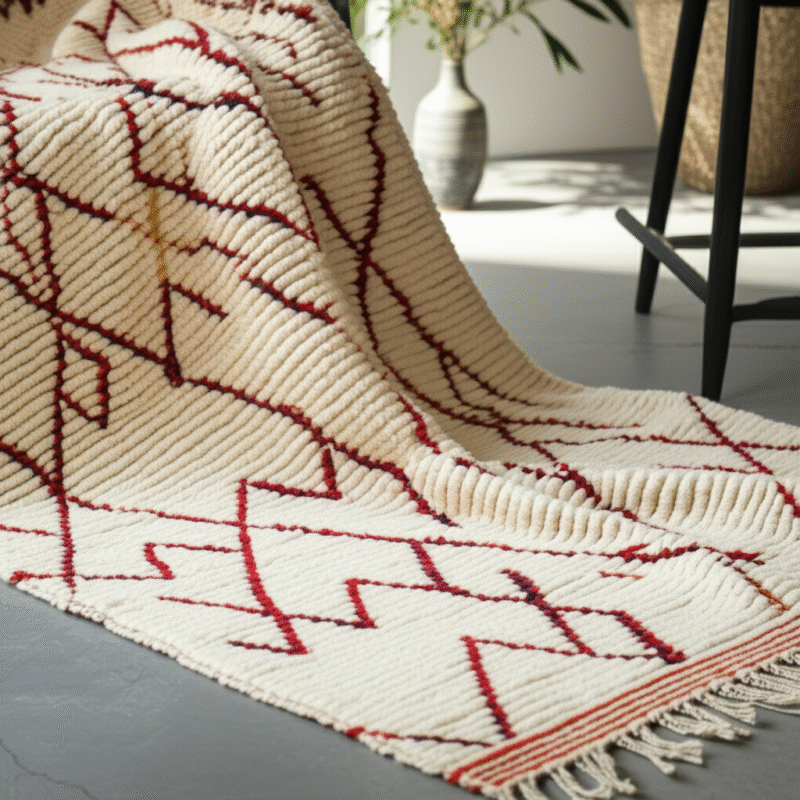
Design & Motifs: Authentic rugs feature unique, asymmetrical designs with geometric patterns and tribal symbols. No two rugs are exactly alike.
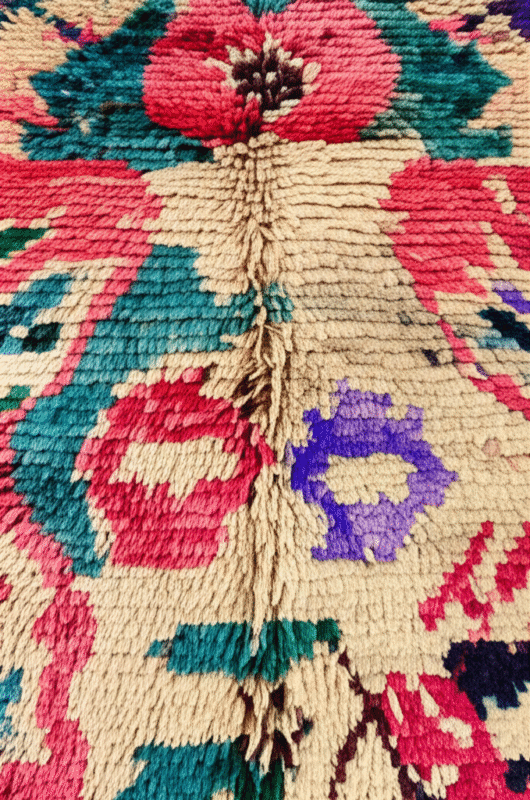
Color Palette: Natural dyes, derived from plants and minerals, are traditionally used to create vibrant, earthy tones. Subtle variations in color are common due to the dyeing process.
Texture: Handmade rugs often have slight imperfections, adding to their character and charm. The pile might be slightly uneven, and the edges might not be perfectly straight.
How to Identify Fake Moroccan Rugs
With the increasing demand for moroccan rugs, the market is flooded with mass-produced replicas made from synthetic materials like nylon or acrylic. These fakes lack the quality, authenticity, and cultural significance of genuine Berber rugs. Here’s what to look for:
Price: If the price seems too good to be true, it probably is. Authentic rugs require significant time, skill, and materials, which are reflected in their cost.
Material Inspection: Closely examine the fibers. Synthetic materials will feel smooth and uniform, lacking the natural texture and warmth of wool. Conduct a burn test (cautiously): a small sample of wool will smell like burning hair and leave ash, while synthetic fibers will melt and emit a chemical odor.
Symmetry and Perfection: Mass-produced rugs are often perfectly symmetrical and flawlessly woven. Look for slight imperfections and variations in the design. Authenticity lies in the irregularities of the human hand.
Color Consistency: Synthetic dyes produce consistent, uniform colors, whereas natural dyes will display subtle variations and nuances.
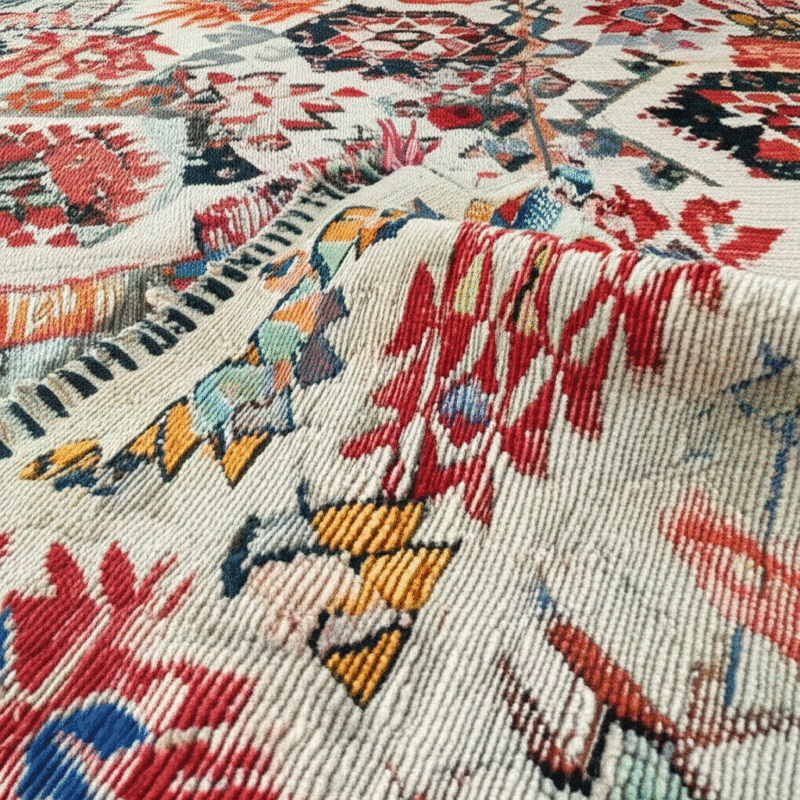
The Backing is Key: Examine the back of the rug. In a hand-knotted rug, you’ll see the individual knots, and the pattern on the front is mirrored on the back (although less defined). Machine-made rugs often have a stiff backing with a woven or printed pattern. Also, look for any glue or adhesive used to hold the fibers in place – this is a big red flag!
Fringe Finish: Inspect the fringe. On many handmade rugs, the fringe is an extension of the warp threads (the vertical threads that form the foundation of the rug). Attached or glued-on fringe is a sign of a manufactured rug.
Finding the Best Handmade Berber Rug
Purchasing authentic Berber handmade moroccan rugs requires careful consideration and research. Here’s a step-by-step guide to help you find the best piece for your home:
1. Research Reputable Dealers: Look for dealers specializing in authentic Moroccan rugs with a proven track record of ethical sourcing and fair trade practices. Read reviews and testimonials from previous customers.
2. Ask Questions: Don’t hesitate to ask the dealer about the rug’s origin, materials, weaving techniques, and the story behind the design. A reputable dealer will be knowledgeable and transparent.
3. Examine the Rug in Person: Ideally, you should examine the rug in person to assess its quality and craftsmanship. Online purchases can be risky, so ensure the seller has a clear return policy.
4. Trust Your Instincts: If something feels off or the price seems too good to be true, trust your gut. Take your time and compare different options before making a decision.
5. Consider Vintage and Antique Rugs: Vintage and antique berber moroccan rugs often hold even greater value due to their history and the artistry of the past. They are also more likely to be made using traditional methods and natural dyes.
Investing in Authentic Berber Art
A genuine, handmade* Berber rug is more than just a decorative item; it’s an investment in art, culture, and history. By understanding the characteristics of authentic rugs and being mindful of the warning signs of fakes, you can confidently navigate the market and find a beautiful Berber rug that will be cherished for generations to come. Choose wisely, and you’ll bring a piece of Moroccan soul into your home.