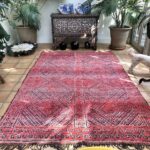



Moroccan Rugs: Are the Best Handmade Berber Style?
Moroccan rugs, steeped in history and tradition, have captivated the world with their vibrant colors, intricate patterns, and undeniable charm. These textiles are more than just floor coverings; they are storytellers, weaving tales of the Berber people and their rich cultural heritage. But when exploring the world of moroccan rugs, are the best examples truly the handmade berber styles? This article delves into the heart of Moroccan rug making, exploring the origins, techniques, and characteristics that make these rugs so highly sought after, ultimately examining whether the handmade Berber designs truly represent the pinnacle of Moroccan rug artistry.
A Legacy Woven in Time: The Origins of Berber Rugs
The story of Moroccan rugs begins with the Berber people, the indigenous inhabitants of North Africa. For centuries, these nomadic and semi-nomadic tribes have relied on rug weaving as a fundamental part of their lives. Originally, these rugs were not created for decorative purposes, but for practical needs. They provided warmth during the harsh desert nights, served as bedding, and were used as saddle blankets for traveling.
The artistry and techniques of rug weaving were passed down through generations, with each tribe developing its own distinct style and motifs. These patterns were not merely aesthetic choices; they were imbued with symbolic meaning, reflecting the tribe’s history, beliefs, and connection to the natural world. From geometric designs representing protection to stylized animals symbolizing fertility, each rug tells a unique narrative.
Handmade: The Essence of Authenticity
The beauty of moroccan rugs lies not only in their designs but also in the handmade nature of their construction. Traditional Berber rugs are meticulously crafted using time-honored techniques, often taking weeks or even months to complete a single piece. This process begins with the careful selection of wool, often sourced from the Atlas Mountains. The wool is then hand-spun and dyed using natural pigments derived from plants, minerals, and insects.
The weaving process itself is a labor of love, requiring immense skill and patience. Berbers use a traditional upright loom, meticulously knotting each row of wool to create the desired pattern. The density of the knots, the quality of the wool, and the precision of the weaving all contribute to the rug’s durability, texture, and overall aesthetic appeal. Machine-made imitations simply cannot replicate the unique character and inherent value of a handmade Moroccan rug.
Exploring the Diversity of Berber Rug Styles
The term “Berber rug” encompasses a vast array of styles, each reflecting the distinct traditions of a specific tribe or region. Here are a few of the most popular and recognizable types:
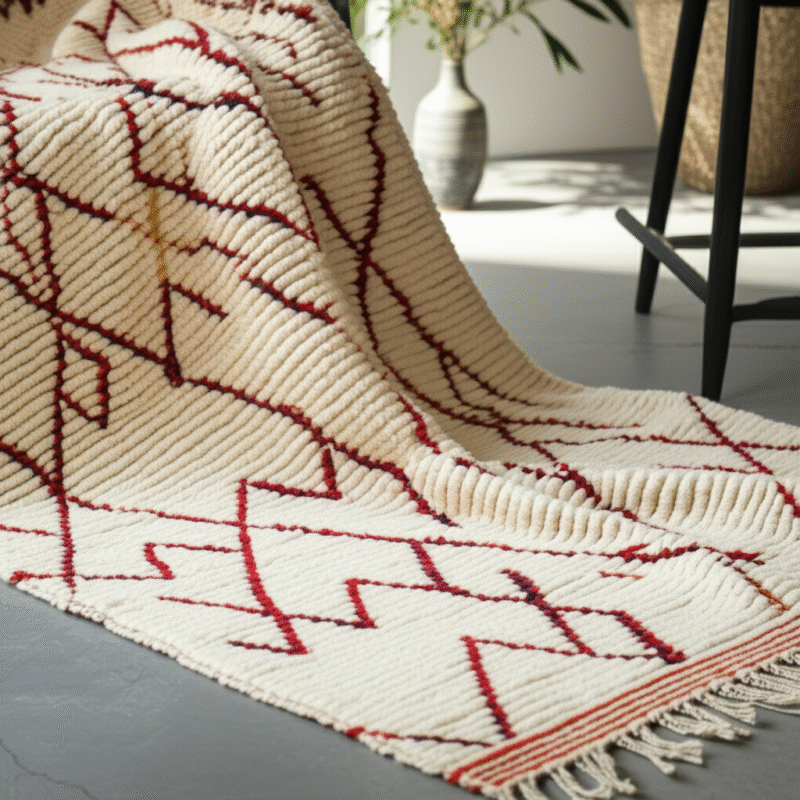
Beni Ourain Rugs: Perhaps the most iconic of all Moroccan rugs, Beni Ourain rugs are known for their minimalist designs, typically featuring geometric patterns in shades of cream, ivory, and brown. These rugs are incredibly plush and soft, making them a popular choice for modern interiors.
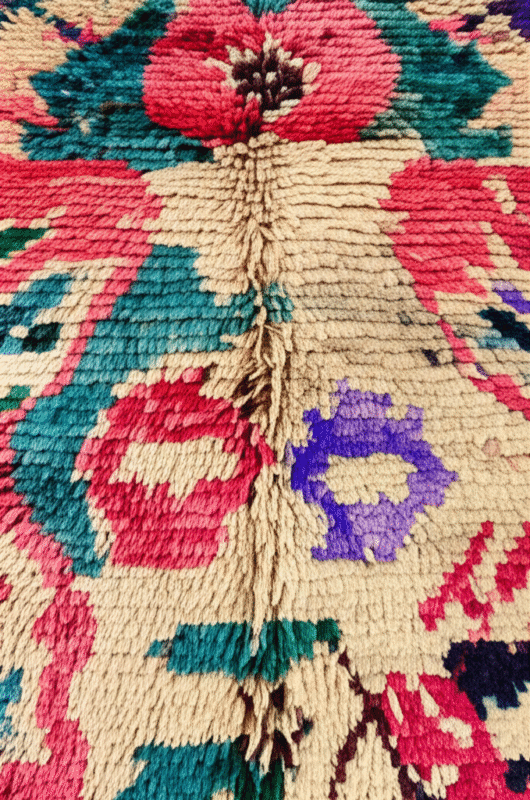
Azilal Rugs: Originating from the remote Azilal region of the High Atlas Mountains, these rugs are characterized by their vibrant colors and playful designs. Azilal rugs often incorporate tribal symbols, abstract motifs, and even personal narratives, making each piece a truly unique work of art.
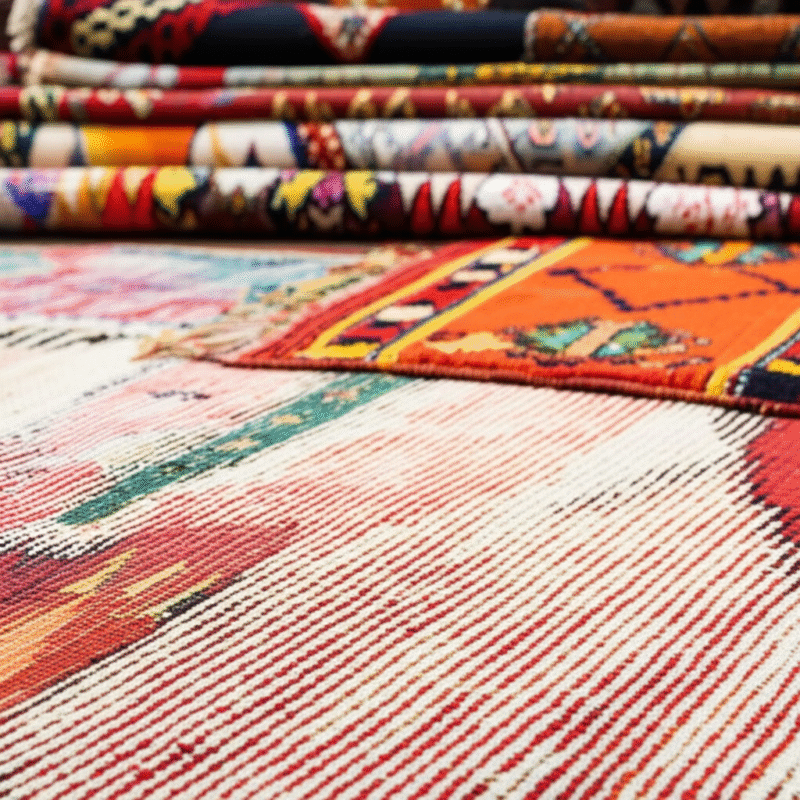
Boucherouite Rugs: Unlike other Moroccan rugs primarily made of wool, Boucherouite rugs are crafted from recycled materials, such as fabric scraps and yarn. This gives them a colorful, patchwork-like appearance and makes them an eco-friendly choice.
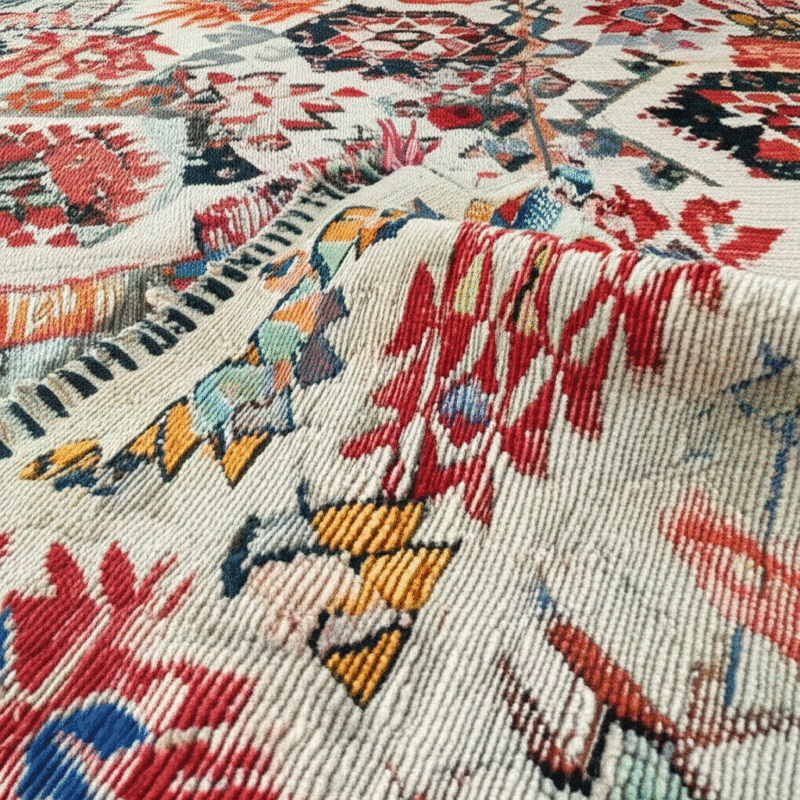
Kilim Rugs: While not technically knotted rugs, Kilims are flatwoven textiles favored by nomadic tribes due to their lightweight nature. These rugs feature geometric designs woven directly into the fabric, creating a durable and reversible floor covering.
The Allure of Handmade Berber Moroccan Rugs
The question of whether handmade berber styles represent the “best” moroccan rugs is subjective and depends heavily on individual preferences. However, several factors contribute to their enduring appeal and perceived value:
Authenticity: Handmade Berber rugs are genuine artifacts of Moroccan culture, embodying the traditions and craftsmanship of the Berber people. They offer a tangible connection to the past and a glimpse into a rich cultural heritage.
Uniqueness: Because each rug is individually crafted by hand, no two pieces are exactly alike. The variations in color, pattern, and texture add to their charm and make them truly one-of-a-kind works of art.
Quality and Durability: The use of high-quality wool, natural dyes, and meticulous weaving techniques ensures that handmade Berber rugs are incredibly durable and long-lasting. They are investments that can be enjoyed for generations to come.
Ethical Considerations: Purchasing handmade Berber rugs supports the Berber artisans and their communities, helping to preserve their traditional craft and improve their livelihoods.
Beyond Berber: Exploring Other Moroccan Rug Styles
While Berber rugs undoubtedly hold a special place in the tapestry of Moroccan rug making, it’s important to acknowledge that other styles also contribute to the richness and diversity of the tradition. For example, rugs from urban centers like Rabat and Fes often feature more intricate floral patterns and sophisticated color palettes, reflecting the influence of Andalusian and European design.
Therefore, while handmade Berber rugs represent a significant and highly valued segment of Moroccan rug artistry, determining the “best” style ultimately comes down to personal preference and aesthetic sensibilities.
Fazit
Marokkanische Teppiche, particularly the handmade berber styles, represent a fascinating blend of artistry, history, and cultural significance. Their vibrant colors, intricate patterns, and time-honored weaving techniques have captivated collectors and interior designers worldwide. While other styles exist within the broader spectrum of Moroccan rug design, the authenticity, uniqueness, and ethical considerations associated with handmade Berber rugs contribute to their perceived value and enduring appeal. Whether you are drawn to the minimalist elegance of a Beni Ourain or the playful vibrancy of an Azilal, a handmade Moroccan rug is sure to add warmth, character, and a touch of exotic charm to any space. When choosing your own piece of Moroccan heritage, consider the story woven into each knot, the hands that crafted it, and the cultural legacy it represents.