


- Moroccan Rugs: Unveiling the Beauty of Handmade Berber Craftsmanship
- The Allure of Authentic Berber Rugs
- Exploring Different Styles of Moroccan Rugs
- The Pros and Cons of Owning a Handmade Berber Rug
- Handmade Rugs: Finding Authenticity and Ensuring Value
- Caring for Your Berber Rug
- Embracing the Timeless Elegance of Moroccan Rugs
Moroccan Rugs: Unveiling the Beauty of Handmade Berber Craftsmanship
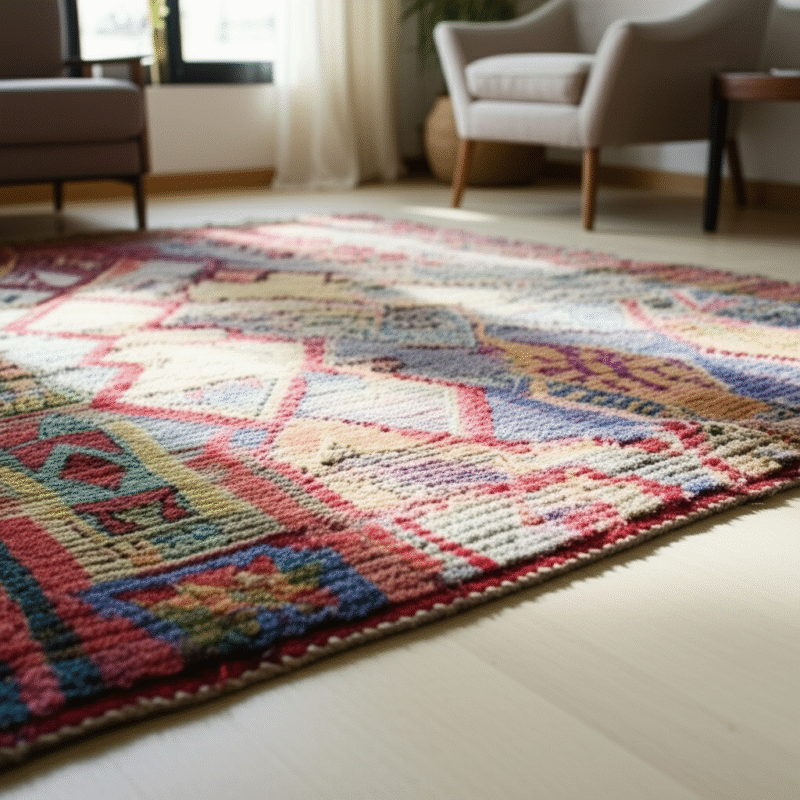
Moroccan rugs, with their vibrant colors, intricate patterns, and rich history, have captivated homeowners and designers for centuries. These textiles are more than just floor coverings; they are works of art, each telling a unique story through the hands of skilled Berber artisans. But before you dive into the allure of these unique pieces, it’s crucial to understand the nuances of Moroccan craftsmanship and the potential benefits and drawbacks they offer. This article will delve into the world of handmade Berber rugs, exploring their beauty, history, and everything you need to know before bringing one of these masterpieces into your home.
The Allure of Authentic Berber Rugs
Moroccan rugs are deeply rooted in the traditions of the Berber people, the indigenous inhabitants of North Africa. For generations, Berber women have meticulously hand-woven these rugs, using natural wool and traditional techniques passed down through families. Each rug is a testament to their artistic skill and cultural heritage. The designs featured within these rugs aren’t arbitrary; they often carry symbolic meanings, representing fertility, protection, or the weaver’s personal story.
The beauty of a handmade Berber rug lies in its imperfections. Unlike mass-produced rugs, each one is unique, showcasing the natural variations in the wool and the individual touch of the weaver. These subtle differences add character and charm, making each rug a truly one-of-a-kind piece. The irregularities speak to the craftsmanship involved in the production making each piece a treasure.
Exploring Different Styles of Moroccan Rugs
The world of Moroccan rugs is diverse, with various styles reflecting the distinct traditions of different Berber tribes. Some of the most popular types include:
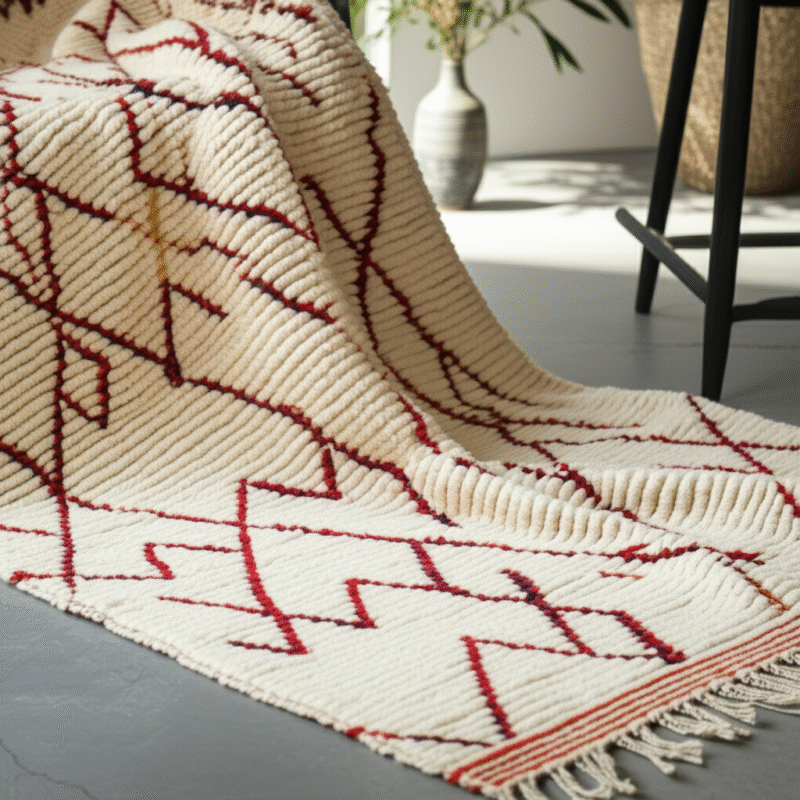
Beni Ourain rugs: Known for their plush, soft texture and minimalist geometric designs, Beni Ourain rugs are typically made from undyed natural wool, creating a neutral and versatile look.
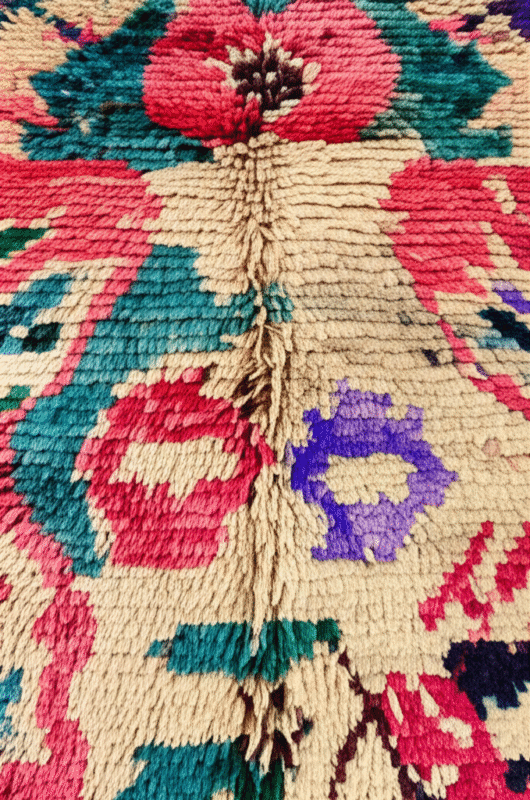
Azilal rugs: Featuring bolder colors and more elaborate patterns than Beni Ourain rugs, Azilal rugs often incorporate geometric shapes and abstract motifs.
Boucherouite rugs: These rugs are made from recycled materials, such as scraps of fabric and yarn, resulting in a vibrant and eclectic aesthetic. Each one is truly a statement piece.
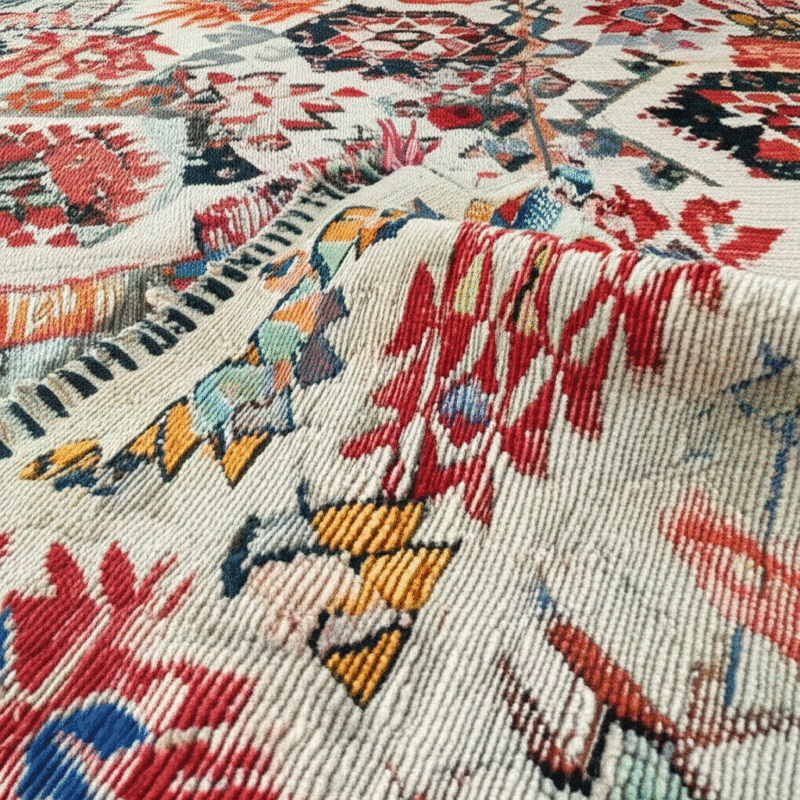
Kilim rugs: Flat-woven and lightweight, Kilim rugs are durable and versatile, making them suitable for high-traffic areas or as wall hangings.
Choosing the right style depends on your personal taste and the overall aesthetic of your space. Consider the color palette, pattern, and texture of the rug to ensure it complements your existing décor.
The Pros and Cons of Owning a Handmade Berber Rug
While the allure of Moroccan rugs is undeniable, it’s important to weigh the pros and cons before making a purchase.
Pros:
Unique and beautiful: Each rug is a one-of-a-kind work of art, adding character and personality to your home.
High quality and durable: Handmade Berber rugs are crafted from high-quality natural wool, making them durable and long-lasting.
Sustainable and eco-friendly: Made from natural materials and using traditional techniques, these rugs are a sustainable choice for eco-conscious consumers.
Supports Berber artisans: Purchasing a Moroccan rug directly supports the Berber communities and helps preserve their cultural heritage.
Versatile: Moroccan rugs can complement a wide range of interior styles, from bohemian to modern.
Cons:
Price: Authentic handmade Berber rugs can be quite expensive, especially those made with high-quality wool and intricate designs.
Maintenance: Wool rugs require regular cleaning and care to prevent damage and maintain their beauty. Professional cleaning is recommended in most cases.
Shedding: New wool rugs may shed fibers initially, but this usually subsides over time.
Variations in color and pattern: Due to the handmade nature of these rugs, there may be slight variations in color and pattern, which may not appeal to those seeking perfect uniformity.
Authenticity: With the growing popularity of Moroccan rugs, it can be challenging to distinguish authentic handmade pieces from mass-produced imitations. Due diligence is key.
Handmade Rugs: Finding Authenticity and Ensuring Value
Navigating the rug market to ensure you’re investing in an authentic, high-quality piece requires some research and careful consideration. Here are some tips:
Purchase from reputable dealers: Choose dealers who specialize in Moroccan rugs and have a proven track record of sourcing authentic pieces.
Look for imperfections: As mentioned earlier, handmade rugs will have slight variations in color, pattern, and texture, which are signs of authenticity. Machine-made rugs tend to be very uniform.
Check the wool quality: High-quality wool will feel soft and resilient to the touch.
Examine the knotting: The knotting should be tight and even, indicating skilled craftsmanship.
Ask questions: Don’t hesitate to ask the dealer about the rug’s origin, materials, and the weaving process.
Consider the price: While it’s tempting to look for a bargain, be wary of unusually low prices, as they may indicate a lower-quality or imitation rug.
Trust your instincts: Ultimately, choose a rug that speaks to you and resonates with your personal style.
Caring for Your Berber Rug
Proper care will help extend the life and beauty of your Moroccan Berber rug. Here are a few tips:
Vacuum regularly: Vacuum your rug regularly to remove dirt and debris, using a suction-only vacuum cleaner (avoid using a beater bar).
Rotate your rug: Rotate your rug every few months to ensure even wear and prevent fading in direct sunlight.
Clean spills immediately: Blot spills with a clean, absorbent cloth. Avoid rubbing, as this can spread the stain.
Professional cleaning: Have your rug professionally cleaned every one to two years to remove deep-seated dirt and grime.
Use a rug pad: A rug pad will protect your rug from wear and tear, prevent slipping, and provide cushioning.
Embracing the Timeless Elegance of Moroccan Rugs
Moroccan rugs are more than just floor coverings; they are investments in art, culture, and the traditions of the Berber people. By understanding the nuances of their craftsmanship and carefully considering the pros and cons, you can make an informed decision and choose a rug that will bring beauty and character to your home for years to come. Embrace the unique charm of these timeless pieces and enjoy the rich history and artistry they represent. From the plush pile of a Beni Ourain to the vibrant colors of a Boucherouite, a Moroccan rug is truly a treasure to behold.