

Moroccan Rugs: Best Handmade Berber Style?
Moroccan rugs, steeped in history and culture, have captivated hearts and homes for centuries with their unique charm and vibrant artistry. But are these textiles, particularly the handmade Berber styles, truly the best choice for your space? Let’s delve into the world of Moroccan rugs, exploring their origins, characteristics, pros, cons, and considerations to help you decide if they’re the perfect fit for your style and needs.
A Journey Through Time: The Origins of Berber Rugs
The story of Moroccan rugs is intertwined with the narrative of the Berber people – the indigenous inhabitants of North Africa. For generations, Berber women have been the custodians of this intricate craft, weaving not just rugs but also stories, beliefs, and traditions into each knot. These weren’t merely decorative items; they were essential parts of daily life, serving as bedding, saddle blankets, burial shrouds, and even wall coverings in the harsh climate.
The designs and techniques varied significantly between Berber tribes, each possessing its specific symbolisms, color palettes, and weaving methods. This diversity is what makes Moroccan rugs so fascinating and collectable today. Vintage rugs often carry a piece of history, offering insights into the daily lives and cultural practices of specific Berber communities.
Handmade: The Heart and Soul of Moroccan Rugs
The term “handmade” is critical when considering Moroccan rugs. Authentic Berber rugs are painstakingly crafted by hand, using traditional techniques passed down through generations. This means that each rug is entirely unique, bearing the mark of the artisan’s skill and personal touch. You’ll find subtle variations in design, color, and even the fibers themselves, adding to its one-of-a-kind character.
The handmade aspect ensures higher quality and durability. Traditional weaving methods create a dense, resilient pile that will stand the test of time with proper care. In contrast, mass-produced rugs made by machines often lack the same level of craftsmanship and longevity. When investing in a Moroccan rug, prioritizing handmade ensures not just beauty but also lasting value.
Exploring the Diverse Styles of Berber Rugs
The term ‘Berber rug’ encompasses many distinct styles, each with particular aesthetic and function. Some popular types include:
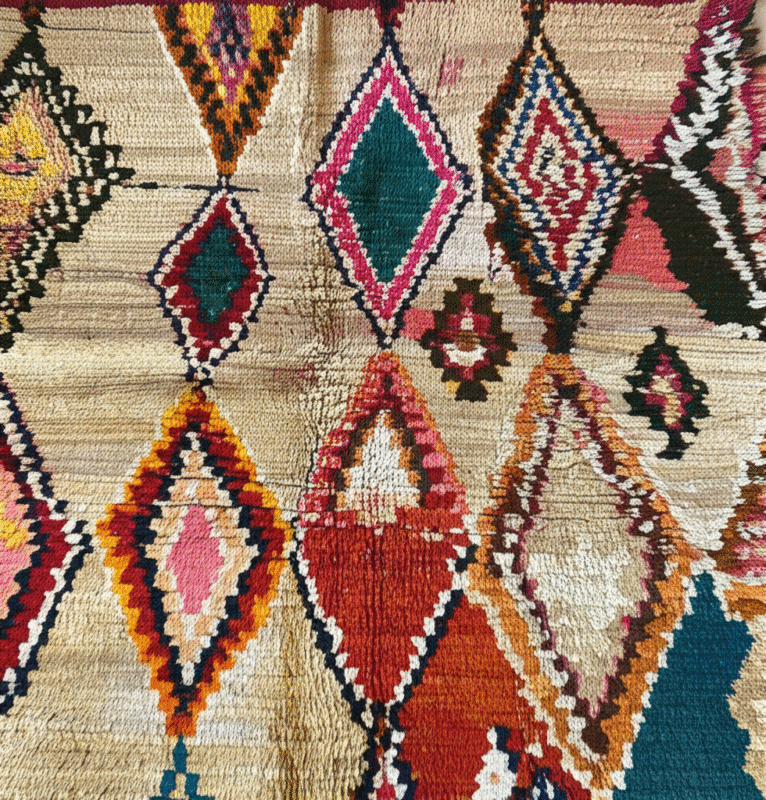
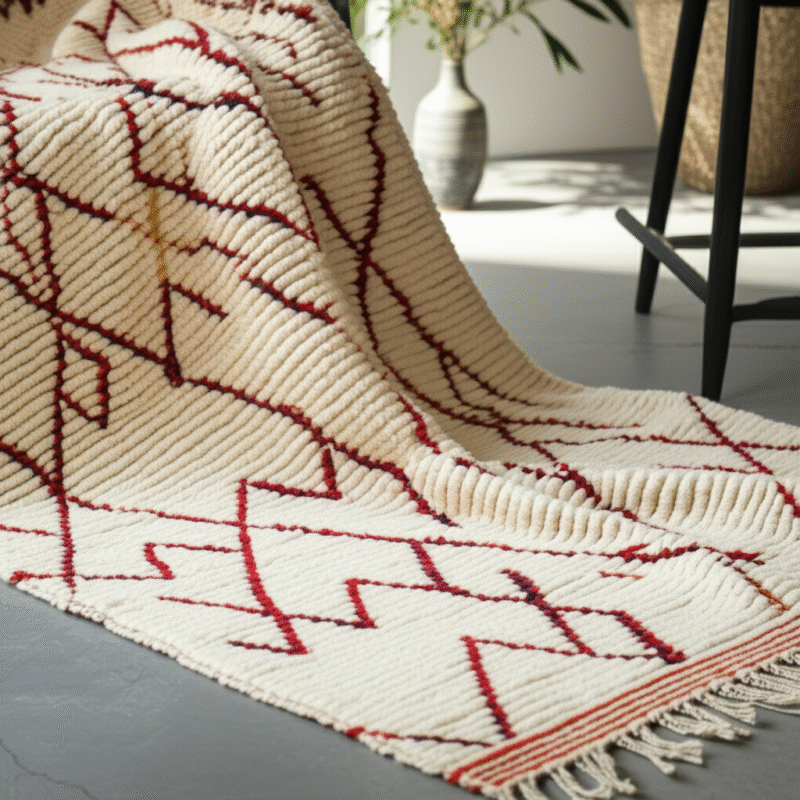
Beni Ourain: These are perhaps the most iconic Moroccan rugs, known for their plush, undyed wool and geometric, minimalist designs. They typically feature diamond patterns and simple lines, lending a modern yet cozy feel to any space.
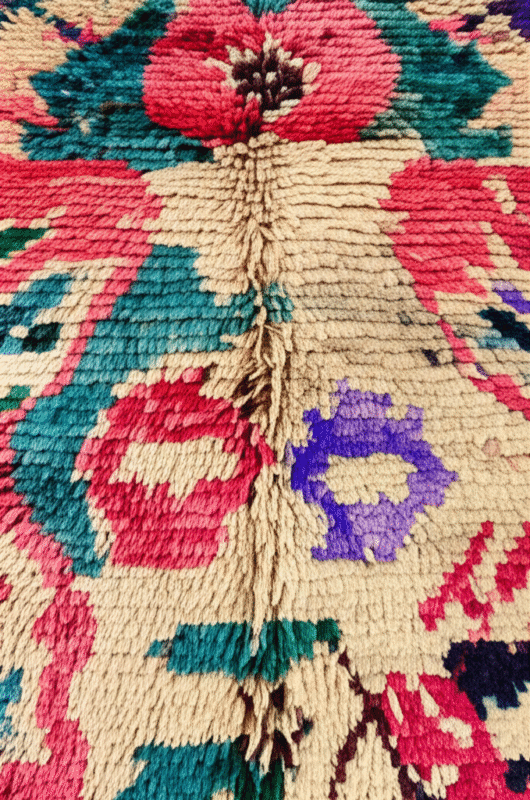
Azilal: Originating from the Azilal region, these rugs are more colorful and expressive, incorporating vibrant dyes and intricate patterns. They often depict scenes from daily life, tribal symbols, and personal narratives.
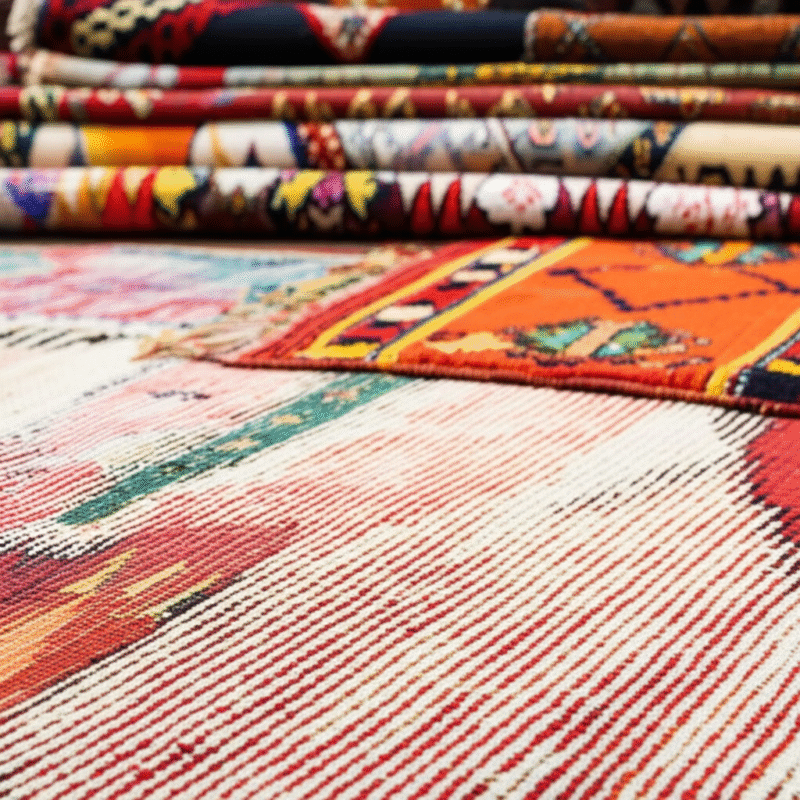
Boucherouite: Created from recycled fabric scraps, these rugs are a celebration of color and texture. Their whimsical and eclectic designs add a bohemian flair to interiors. They are a sustainable and affordable option.
Taznakht: These rugs are known for their durability and rich colors, often featuring geometric patterns and bold motifs. They are traditionally woven with natural dyes derived from plants and minerals found in the Taznakht region.
The Advantages of Choosing Moroccan Rugs
There are several compelling reasons to embrace the allure of Moroccan rugs.
Unique Aesthetic: These rugs bring a unique, global appeal that can enhance any décor style, from bohemian to minimalist.
Versatile Style: Moroccan rugs blend seamlessly with a wide range of design aesthetics, providing a touch of warmth and texture to contemporary spaces or complementing the rustic charm of traditional homes.
Durability: Handmade Moroccan rugs are built to last, offering years of comfort and beauty with proper care.
Cultural Significance: Owning a Moroccan rug is owning a piece of history and art, connecting you to the rich heritage of the Berber people.
Potential Drawbacks to Consider
While Moroccan rugs possess undeniable appeal, it’s important to consider potential drawbacks:
Price: Authentic, handmade Moroccan rugs can be expensive, especially vintage or large pieces.
Maintenance: Wool rugs require proper cleaning and care to maintain their beauty and longevity. Regular vacuuming and professional cleaning are recommended.
Color Variations: Due to the use of natural dyes and handmade processes, slight color variations may occur, which can be seen as an advantage in terms of uniqueness, but may not meet expectations if a perfect match is desired.
Shedding: New wool rugs may shed initially. This is a natural process and will diminish over time with regular vacuuming.
How to Identify an Authentic Handmade Berber Rug
Distinguishing an authentic, handmade Moroccan rug from a mass-produced imitation requires a keen eye. Here are some tips:
Examine the Knotting: Handmade rugs will have slight irregularities in the knotting pattern. Machine-made rugs will have a more uniform and perfect appearance.
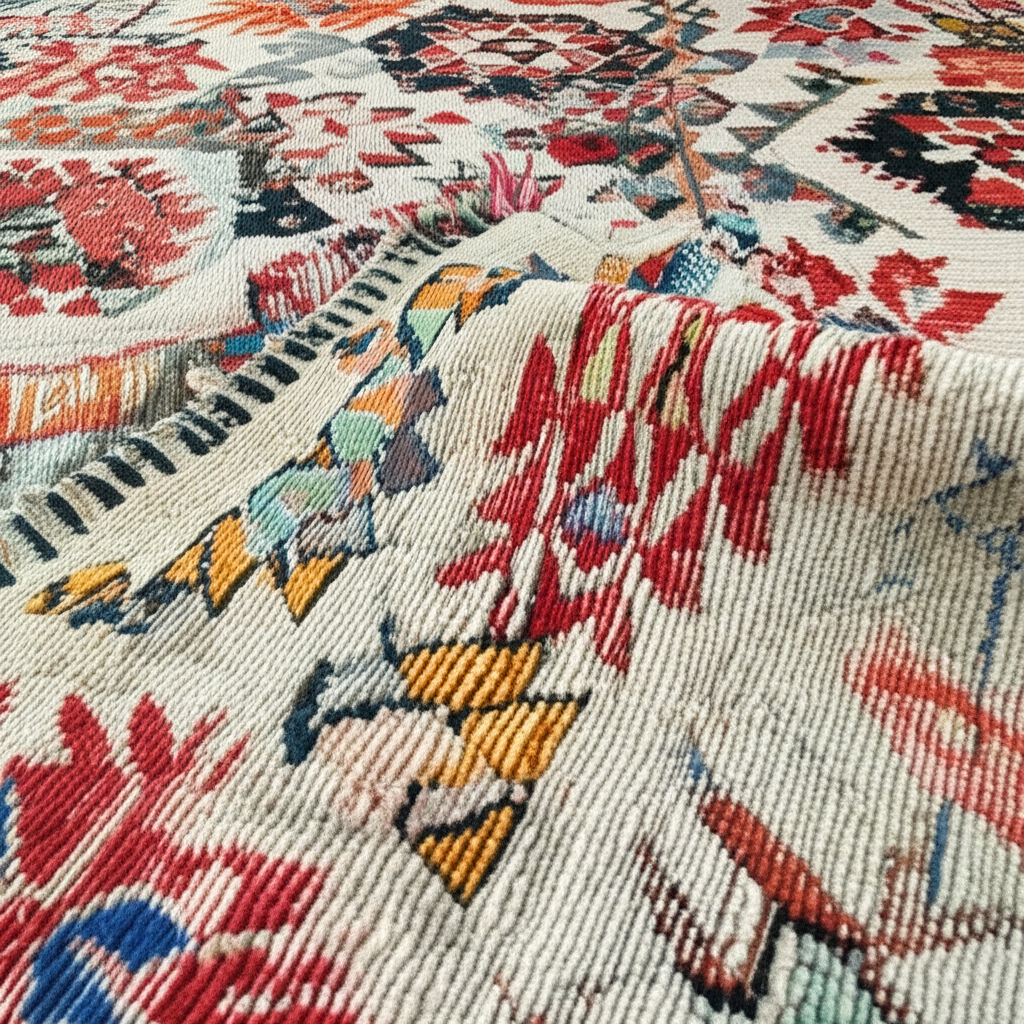
Check the Backing: The back of a handmade rug will show the intricate knots and patterns of the weave. Machine-made rugs will have a more uniform backing.
Consider the Fibers: Authentic Berber rugs are made from high-quality, natural wool. Synthetic fibers may indicate a mass-produced or imitation rug.
Smell the Rug: Real wool has a distinctive smell, while synthetic fibers will have a chemical odor.
Slight Imperfections: Embrace variations in color, design, and pile height – these are hallmarks of handmade artistry.
Caring for Your Investment
To ensure your Moroccan rug remains a cherished piece for years to come, proper care is essential. Regular vacuuming will prevent dirt and debris from becoming embedded in the fibers. Address spills immediately, blotting them with a clean, dry cloth. Professional cleaning every one to two years will revitalize the rug and maintain its beauty.
Are Moroccan Rugs the Best* Choice?
Ultimately, the decision of whether Moroccan rugs, especially the handmade Berber styles, are the “best” choice depends on your personal preferences, budget, and lifestyle. If you appreciate unique artistry, cultural significance, and lasting quality, then a well-chosen Moroccan rug can indeed be a fantastic investment. However, if you prioritize affordability and uniformity, other rug options may be more suitable. Consider the points above to help tailor your buying process and ensure that your Moroccan rug is the best option for years to come.