


- Moroccan Rugs: Handmade Berber vs. Affordable Knots
- The Allure of Authentic, Handmade Berber Rugs
- Navigating the World of Affordable Knots: What to Expect
- Making the Right Choice: Considerations Before Buying
- Caring for Your Moroccan Rug
Moroccan Rugs: Handmade Berber vs. Affordable Knots
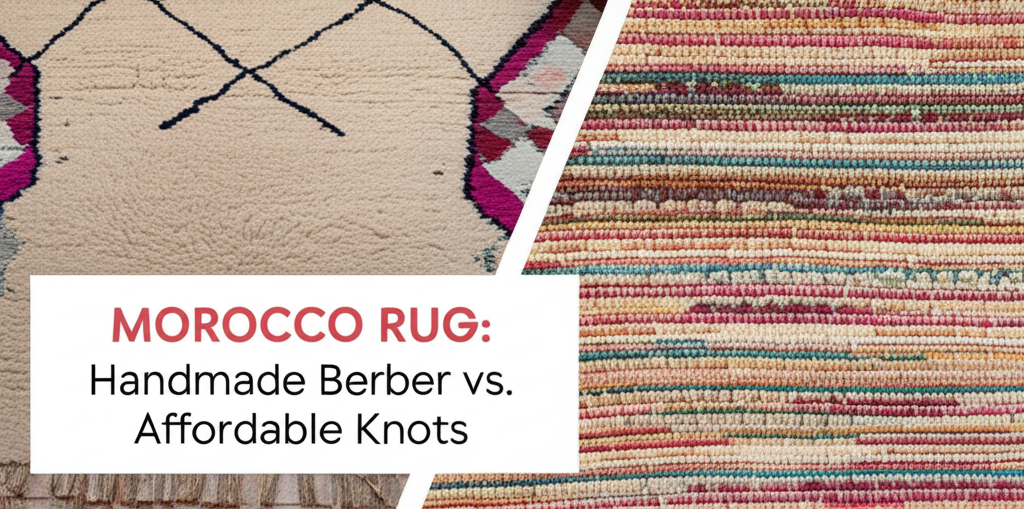
Moroccan rugs have captivated design enthusiasts for decades with their vibrant colors, intricate patterns, and rich cultural heritage. These rugs are more than just floor coverings; they’re woven stories, reflecting the traditions, symbols, and artistic expressions of the Berber tribes who have crafted them for centuries. However, the market for Moroccan rugs has become diverse, offering a spectrum of options from authentic, handmade Berber rugs to more affordable, mass-produced alternatives. Understanding the differences between these choices is crucial for making an informed purchase that aligns with your budget and aesthetic preferences.
The Allure of Authentic, Handmade Berber Rugs
The term “Berber” refers to the indigenous people of North Africa, particularly Morocco. For generations, Berber women have meticulously hand-knotted rugs using natural wool sourced from local sheep. These rugs are not just textiles; they are an integral part of Berber culture, passed down through families and imbued with symbolic meaning.
Characteristics of Authentic Berber Rugs:
Handmade with Natural Wool: Authentic Berber rugs are crafted entirely by hand, using hand-spun wool that retains its natural lanolin oils, making it soft, durable, and naturally stain-resistant. The variations in wool color and thickness are part of its unique charm.
Unique and Imperfect: No two handmade Berber rugs are ever exactly alike. The slight imperfections, variations in color, and asymmetry are testaments to their handcrafted nature and artistic individuality.
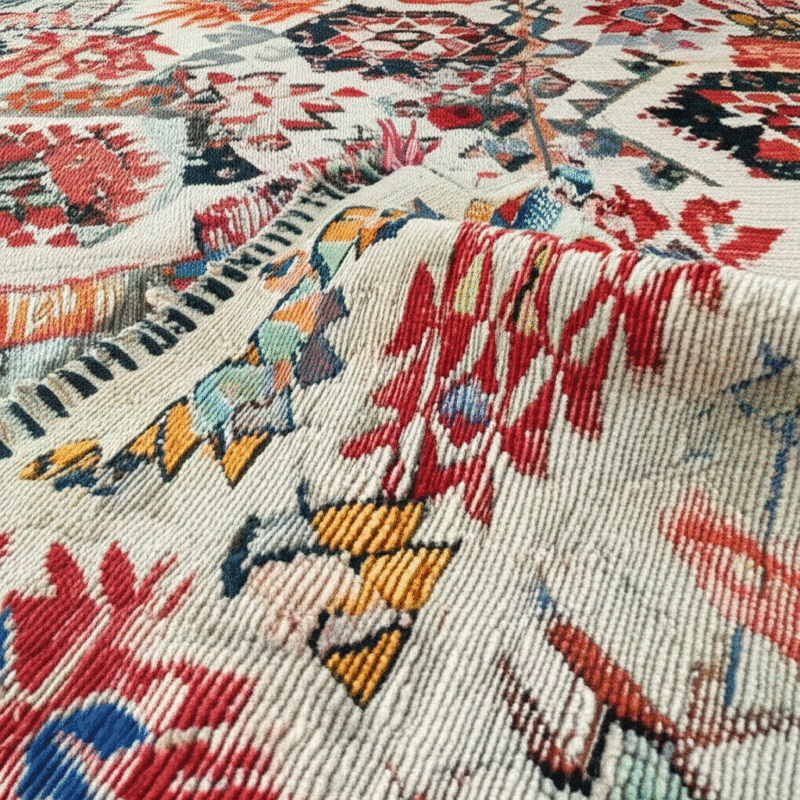
Symbolic Designs: The geometric patterns, tribal motifs, and abstract designs found on Berber rugs are not merely decorative. They often carry symbolic meanings related to fertility, protection, and the Berber worldview.
High Quality and Durability: Due to the use of high-quality wool and the meticulous hand-knotting process, authentic Berber rugs are incredibly durable and can last for generations with proper care.
Investment Piece: Because of their craftsmanship, cultural significance, and longevity, authentic Berber rugs are considered investment pieces that can appreciate in value over time.
Popular types of Berber rugs include:
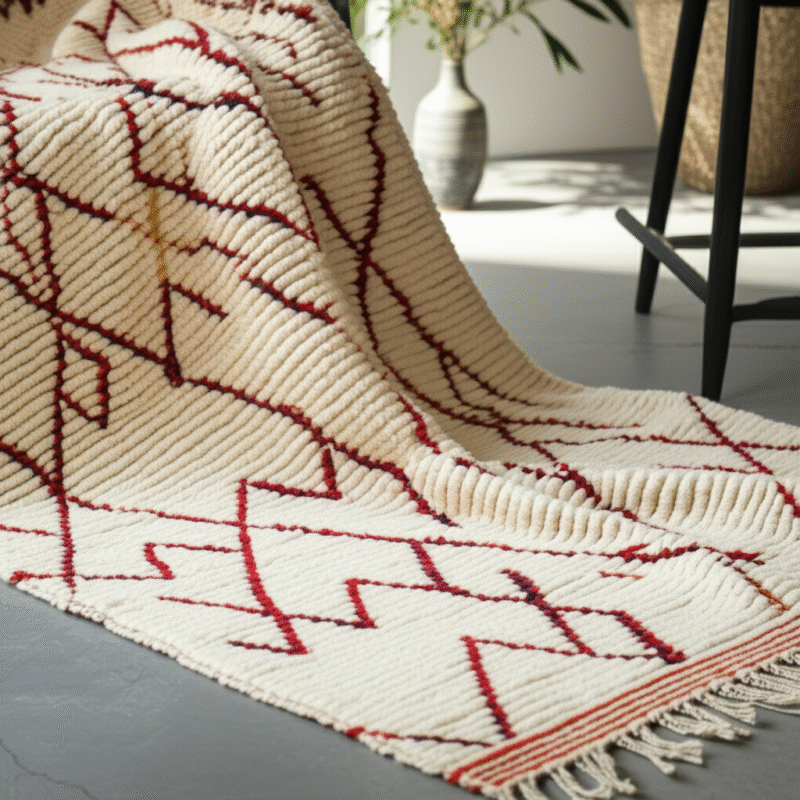
Beni Ourain Rugs: Known for their minimalist designs, usually featuring geometric patterns on a cream or white background.
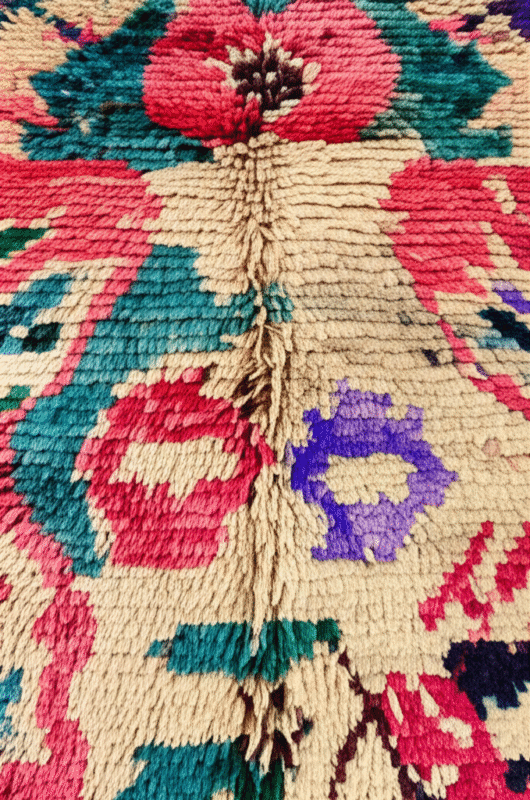
Azilal Rugs: More vibrant and colorful than Beni Ourain rugs, often incorporating symbolic motifs and patterns.
Boucherouite Rugs: Made from recycled fabric scraps, resulting in colorful and whimsical designs.
Navigating the World of Affordable Knots: What to Expect
As the popularity of Moroccan rugs has soared, so has the demand for more affordable options. These rugs, often mass-produced in factories, aim to capture the aesthetic of Berber rugs but at a fraction of the cost. While they may offer a similar look, there are significant differences in quality, materials, and authenticity.
Characteristics of Affordable Moroccan-Inspired Rugs:
Machine-Made or Hand-Tufted: These rugs are typically machine-made or hand-tufted, rather than hand-knotted. This significantly reduces the production time and cost.
Synthetic Materials: Affordable options often use synthetic materials such as acrylic, polypropylene, or polyester. These materials are less expensive than wool but lack the natural softness, durability, and stain resistance of wool.
Uniform Designs: Machine-made rugs tend to have uniform designs with no variation. Hand-tufted rugs may have some variations, but they lack the unique imperfections and character of hand-knotted rugs.
Lower Quality and Durability: Synthetic materials and mass-production techniques result in lower quality and durability. These rugs are less likely to withstand heavy foot traffic and may require more frequent replacement.
Affordable Price Point: The main advantage of these rugs is their affordability, making them accessible to a wider range of budgets.
Making the Right Choice: Considerations Before Buying
Deciding between a handmade Berber rug and an affordable alternative depends on your individual needs, budget, and priorities:
Budget: If you’re on a tight budget, an affordable Moroccan-inspired rug may be a reasonable option. However, consider it a temporary solution rather than a long-term investment.
Aesthetic Preferences: If you value the unique character and imperfect charm of handcrafted items, a handmade Berber rug is the best choice. If you’re comfortable with a more uniform and predictable look, a mass-produced rug may suffice.
Durability and Longevity: If you’re looking for a rug that will last for years and can withstand heavy use, invest in a high-quality, handmade Berber rug.
Ethical Considerations: Supporting Berber artisans directly contributes to the preservation of their cultural heritage and provides them with a sustainable income. This is a crucial factor for ethically-conscious consumers.
Intended Use: For high-traffic areas like hallways or living rooms, a more durable and stain-resistant rug, like a handmade wool Berber rug, is recommended. For low-traffic areas, a more affordable option may be suitable.
* Origin and Authenticity of Moroccan Rugs**: Always ask the seller about the rug’s origin and craftsmanship. A reputable dealer should be transparent about the rug’s production process and provide information about the materials used. Certificates of authenticity are beneficial but not always available.
Caring for Your Moroccan Rug
Regardless of whether you choose a handmade Berber rug or an affordable alternative, proper care is essential for maintaining its appearance and extending its lifespan. Regular vacuuming is crucial for removing dirt and debris. For spills, blot immediately with a clean cloth. Professional cleaning is recommended for deep cleaning and stain removal, especially for wool rugs. Rotate your rug periodically to ensure even wear.
In conclusion, the world of Moroccan rugs offers a diverse range of options, from the authentic artistry of handmade Berber rugs to the affordability of mass-produced alternatives. By understanding the differences in materials, craftsmanship, and cultural significance, you can make an informed decision that aligns with your budget, aesthetic preferences, and values. Whether you choose to invest in a piece of Berber history or opt for a more budget-friendly option, a Moroccan-inspired rug can add warmth, character, and a touch of global style to your home.