

- Moroccan Rugs: Stunning Berber Handmade Art
- A Legacy Woven in Wool: The Berber Tradition
- Decoding the Designs: Symbolism in Handmade Masterpieces
- Exploring Different Types of Moroccan Rugs
- Bringing a Piece of Morocco Home: Choosing Your Ideal Rug
- Caring for Your Investment: Preserving the Beauty
Moroccan Rugs: Stunning Berber Handmade Art
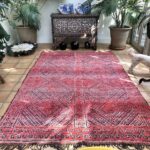
Moroccan rugs are more than just floor coverings; they are vibrant pieces of Berber history, woven with stories, symbolism, and immense skill. These stunning textiles, handmade by Berber women across the Atlas Mountains and beyond, have captivated the world with their unique designs, rich colors, and exceptional quality. Owning a Moroccan rug is owning a piece of art, a tangible connection to a rich cultural heritage that spans centuries.
A Legacy Woven in Wool: The Berber Tradition
The art of crafting these gorgeous textiles is deeply rooted in Berber culture. For generations, Berber women have been the keepers of this tradition, passing down their knowledge and techniques through family lines. Each rug tells a story, reflecting the weaver’s personal experiences, beliefs, and the environment around them. The patterns, colors, and symbols are not merely decorative; they are a visual language, communicating stories of fertility, protection, nature, and tribal identity.
The process itself is an act of dedication and artistry. From shearing the sheep to spinning the wool, dyeing the fibers with natural pigments derived from plants and minerals, and finally, meticulously knotting or weaving the rug on a traditional loom, every step is performed with care and precision. This meticulous, entirely handmade process ensures that each rug is unique, bearing the mark of the artisan who created it.
Decoding the Designs: Symbolism in Handmade Masterpieces
One of the most fascinating aspects of these rugs is the intricate symbolism woven into their designs. While specific meanings can vary depending on the region and the tribe, certain motifs are commonly found. Diamonds, for instance, often represent femininity and fertility. Triangles can symbolize protection, while zigzags might depict snakes, guarding the home from evil spirits.
The use of color is also significant. Red is often associated with strength and protection, blue with wisdom, and yellow with sunshine and joy. The combinations and arrangements of these colors and symbols create a visual tapestry that speaks volumes about the Berber culture and the individual weaver who crafted it. Understanding this symbolism adds another layer of appreciation for the artistry and depth of these beautiful creations.
Exploring Different Types of Moroccan Rugs
The term “Moroccan rug” encompasses a diverse range of styles, each with its own distinctive characteristics. Some of the most popular types include:
Beni Ourain: Known for their plush, thick pile and minimalist designs, Beni Ourain rugs are typically made from undyed natural wool in shades of cream and brown. Their simple geometric patterns often feature diamonds, lines, and abstract shapes. They are hugely popular for their versatility and ability to complement a wide range of interior design styles.
Azilal: Originating from the Azilal region of the High Atlas Mountains, Azilal rugs are known for their vibrant colors and bold, graphic designs. They often incorporate symbols and motifs that reflect the weaver’s personal experiences and the surrounding landscape. They are often lighter and thinner than Beni Ourains, making them perfect for warmer climates.
Boucherouite: These rugs are a celebration of color and creativity. Made from recycled fabrics, including scraps of clothing and textiles, Boucherouite rugs are a testament to the Berber tradition of resourcefulness. Their designs are often spontaneous and abstract, reflecting the weaver’s individual artistic expression. Each rug is a one-of-a-kind masterpiece, full of character and charm.
Kilim: A flatweave textile rather than a pile rug, Kilims are woven without knots, making them lighter and more durable. They often feature geometric patterns and bold colors. Kilims are versatile pieces that can be used as wall hangings, table runners, or floor coverings.
Taznakht: Woven with a tight, short pile, rugs from Taznakht are known for their rich hues and intricate geometric designs. These rugs are prized for their durability and their ability to withstand heavy foot traffic.
Boujad: Characterized by their use of vibrant colors and asymmetrical designs, Boujad rugs often tell stories through abstract patterns and symbols. They typically blend traditional Berber motifs with modern artistic expression, making each piece a unique and captivating work of art.
Bringing a Piece of Morocco Home: Choosing Your Ideal Rug
When choosing a Berber rug, consider the following factors:
Size and Shape: Measure your space carefully to determine the appropriate size and shape of your rug. Consider the layout of your room and how the rug will interact with your furniture.
Color and Design: Select a rug that complements your existing decor and reflects your personal style. Consider the colors, patterns, and symbolism of the rug and how they will enhance your space.
Material and Construction: Pay attention to the quality of the wool and the construction of the rug. Handmade rugs are typically more durable and valuable than machine-made rugs. Look for rugs with tight knots and clean, even edges.
Authenticity: Check the provenance of the rug and ensure that it is indeed handmade by Berber artisans. Authentic Moroccan rugs will often have slight imperfections that add to their character and charm.
Budget: Set a budget before you start shopping and stick to it. Prices for Moroccan rugs can vary widely depending on the size, material, design, and authenticity.
Caring for Your Investment: Preserving the Beauty
To preserve the beauty and longevity of your Moroccan rug, follow these care tips:
Vacuum Regularly: Vacuum your rug regularly to remove dirt and debris. Use a vacuum cleaner with a low setting and avoid using the beater bar, which can damage the fibers.
Spot Clean Stains: Clean spills immediately with a clean, damp cloth. Avoid using harsh chemicals or detergents, as they can damage the wool and dyes. Consider professional cleaning for tough stains.
Rotate Regularly: Rotate your rug regularly to distribute wear evenly. This will help to prevent fading and wear patterns.
* Professional Cleaning: Have your rug professionally cleaned every few years to remove accumulated dirt and grime.
Owning a Moroccan rug is an investment in art, history, and culture. It’s a way to bring the warmth, beauty, and soul of Morocco into your home. With proper care and appreciation, your Moroccan rug will be a treasured heirloom for generations to come. From the intricate details to the enduring quality, these stunning textiles are more than just functional decor; they are windows into the heart of Berber artistry.