

- Moroccan Rugs: Unveiling the Beauty of Handmade Berber Creations
- A Legacy Handcrafted: The Art of Moroccan Weaving
- What Makes Them Unique: The Beauty of Berber Designs
- Distinguishing Features of Different Moroccan Rug Styles
- The Enduring Appeal of Handmade Moroccan Rugs
Moroccan Rugs: Unveiling the Beauty of Handmade Berber Creations
Moroccan rugs are more than just floor coverings; they are vibrant tapestries of culture, history, and artistry. Each rug tells a story, woven with meticulous detail and steeped in the traditions of the Berber people. Understanding the nuances of these handmade treasures allows you to appreciate their unique beauty and make an informed investment in a piece of timeless art. What truly sets them apart, and what considerations should you keep in mind when choosing one for your home? Let’s delve into the world of Moroccan rugs and uncover the magic woven within their threads.
A Legacy Handcrafted: The Art of Moroccan Weaving
The tradition of weaving in Morocco dates back centuries, passed down through generations of Berber women. For these artisans, rug making is not merely a craft but a vital part of their heritage, a means of expressing their identity and preserving their cultural narratives. The process is an intricate labor of love, beginning with the sourcing of high-quality wool from local sheep. This wool is then carefully cleaned, carded, and spun into yarn, ready to be transformed into a work of art.
Traditional looms, often simple and hand-operated, are used to weave the rugs. The designs are not typically sketched out beforehand, but rather emerge organically from the weaver’s imagination and knowledge of ancestral patterns. This spontaneity results in rugs that are truly unique and often imbued with symbolic meanings related to fertility, protection, and the natural world. The knots, the colors, and the patterns all contribute to the rug’s individual story.
The distinct techniques used in different regions of Morocco, each characterized by unique color palettes, motifs, and weaving styles, contribute to the vast diversity found among Moroccan rugs. This regional diversity is a testament to the richness of Berber culture and the enduring legacy of their weaving traditions.
What Makes Them Unique: The Beauty of Berber Designs
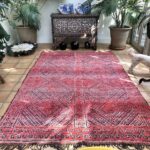
One of the most recognizable characteristics of Moroccan rugs is their distinctive Berber designs. These designs are deeply symbolic, often drawing inspiration from nature, tribal motifs, and the everyday lives of the weavers. Common patterns include geometric shapes, diamonds, zigzags, and stylized representations of animals and plants.
Each of these elements carries its own significance. Diamonds, for example, may represent femininity or fertility, while zigzags can symbolize the passage of time or the flow of water. The colors used in the rugs also hold meaning, with shades of red often associated with strength and protection, and blues representing wisdom and tranquility.
The beauty of Berber designs lies not only in their visual appeal but also in their cultural depth. When you bring a Moroccan rug into your home, you are not just adding a decorative element; you are inviting a piece of history and a story woven with intention and care.
Distinguishing Features of Different Moroccan Rug Styles
The vast landscape of Morocco has given rise to a variety of rug styles, each reflecting the unique artistic traditions of its region. Some of the most popular types include:
Beni Ourain Rugs: Known for their plush wool and minimalist designs, Beni Ourain rugs typically feature geometric patterns in neutral color palettes, often black or brown on a cream or ivory background. They are incredibly soft and comfortable underfoot, making them ideal for living rooms and bedrooms.
Azilal Rugs: These rugs are distinguished by their vibrant colors and free-form designs. They often incorporate bold geometric patterns, abstract motifs, and unexpected color combinations, reflecting the creative spirit of the Azilal region.
Boucherouite Rugs: Crafted from recycled fabrics, Boucherouite rugs are a celebration of color and texture. They often feature a patchwork of different materials, creating a visually stimulating and eco-friendly addition to any space.
Kilim Rugs: Unlike the other types that are knotted, Kilim rugs are flat-woven. This gives them a thinner profile and a tighter weave. They are also reversible and may display different designs on either side.
Understanding the characteristics of these different styles can help you choose a Moroccan rug that perfectly complements your personal taste and interior décor.
The Enduring Appeal of Handmade Moroccan Rugs
There is something undeniably special about owning a handmade Moroccan rug. In a world dominated by mass-produced goods, these rugs stand out as unique works of art, each carrying the individual touch of the artisan who created it. Their imperfections are not flaws but rather signs of their handcrafted nature, adding to their charm and character.
Marokkanische Teppiche that are handmade are more than just decorative pieces; they are investments in quality and craftsmanship. With proper care, they can last for generations, becoming treasured family heirlooms. Their ability to add warmth, texture, and visual interest to any space makes them a timeless addition to any home.
Furthermore, by investing in these Berber creations, one supports the sustainability of the traditional weaving practices that have been passed down and refined over centuries. Bringing a Moroccan rug into your home allows you to connect with a rich cultural heritage and to contribute to the preservation of a valuable art form.
In conclusion, the beauty and enduring appeal of Moroccan rugs lie in their handmade nature, their vibrant Berber designs, and the rich cultural heritage they represent. By understanding the nuances of these unique creations, you can appreciate their artistry and choose a rug that will bring warmth, character, and a touch of Moroccan magic to your home for years to come.