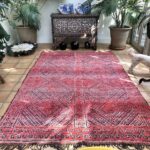



- Moroccan Rugs: Effortless Style with Handmade Berber Treasures
- The Enduring Appeal of Handmade Berber Rugs
- Exploring the Diverse Styles of Moroccan Rugs
- Incorporating Moroccan Rugs into Your Home Décor
- Caring for Your Handmade Moroccan Rug
Moroccan Rugs: Effortless Style with Handmade Berber Treasures
Marokkanische Teppiche are more than just floor coverings; they are vibrant expressions of culture, history, and artistry. Woven by the skilled hands of Berber women, these textiles bring warmth, texture, and a unique personality to any space. Their increasing popularity reflects a desire for authenticity and a connection to handcrafted items in a world often dominated by mass production. Let’s delve into the captivating world of Moroccan rugs and explore why they are the perfect way to elevate your home’s style.
The Enduring Appeal of Handmade Berber Rugs
For centuries, Berber tribes in Morocco have been crafting these unique rugs. Traditionally, they served practical purposes, providing warmth and protection from the elements in the harsh landscapes of the Atlas Mountains. However, they are much more than mere utilitarian objects. Each rug is a narrative, a story woven with symbols and patterns that represent the weaver’s personal experiences, beliefs, and tribal heritage. These symbols can range from representations of fertility and protection to depictions of nature and familial bonds.
The entire process of creating a handmade Berber rug is a labor of love. It begins with the careful selection of high-quality wool, often sourced from sheep raised by the Berber communities themselves. The wool is then cleaned, carded, and spun into yarn, ready to be dyed using natural pigments derived from plants, minerals, and insects. These natural dyes contribute to the rug’s unique color palette, often featuring earthy tones, vibrant reds, blues, and yellows.
The weaving itself is done on traditional looms, a process that requires immense skill, patience, and artistry. Berber women learn to weave from a young age, passing down the techniques and traditions from generation to generation. It is this unbroken lineage of craftsmanship that gives each rug its authentic character and enduring value. Because each piece is crafted individually and without the use of machines, you can assume that these pieces are truly unique and no other piece is its exact copy.
Exploring the Diverse Styles of Moroccan Rugs
The term “Moroccan rug” encompasses a wide variety of styles, each with its own distinct characteristics and regional origins. Some of the most popular styles include:
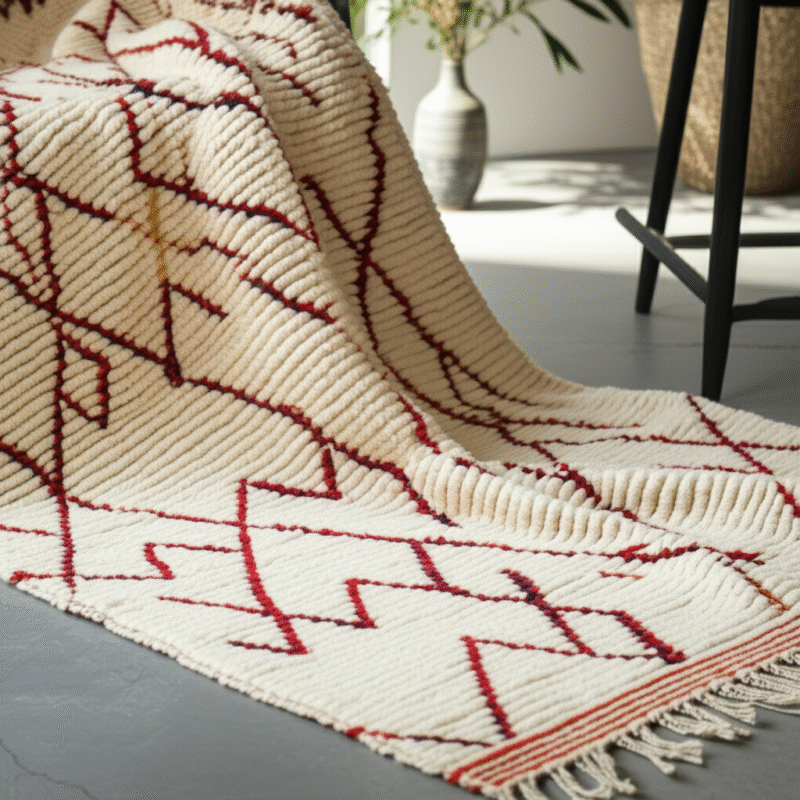
Beni Ourain Rugs: Perhaps the most recognizable Moroccan rugs, Beni Ourains are known for their thick, plush pile, geometric designs, and neutral color palettes. Typically featuring diamond patterns on a creamy white or ivory background, these rugs are incredibly versatile and complement a wide range of interior styles.
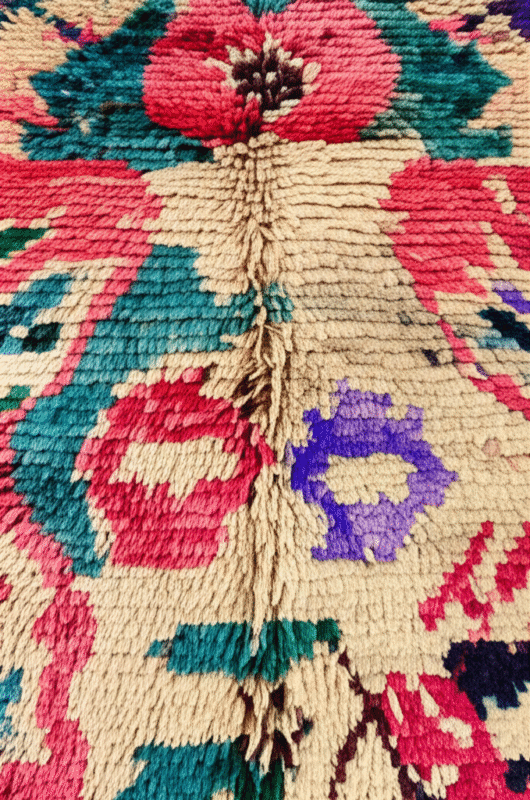
Azilal Rugs: Hailing from the Azilal region of the High Atlas Mountains, these rugs are characterized by their vibrant colors and intricate, often playful, designs. Azilal rugs often feature geometric patterns, tribal symbols, and whimsical motifs, making them a bold and eye-catching addition to any space.
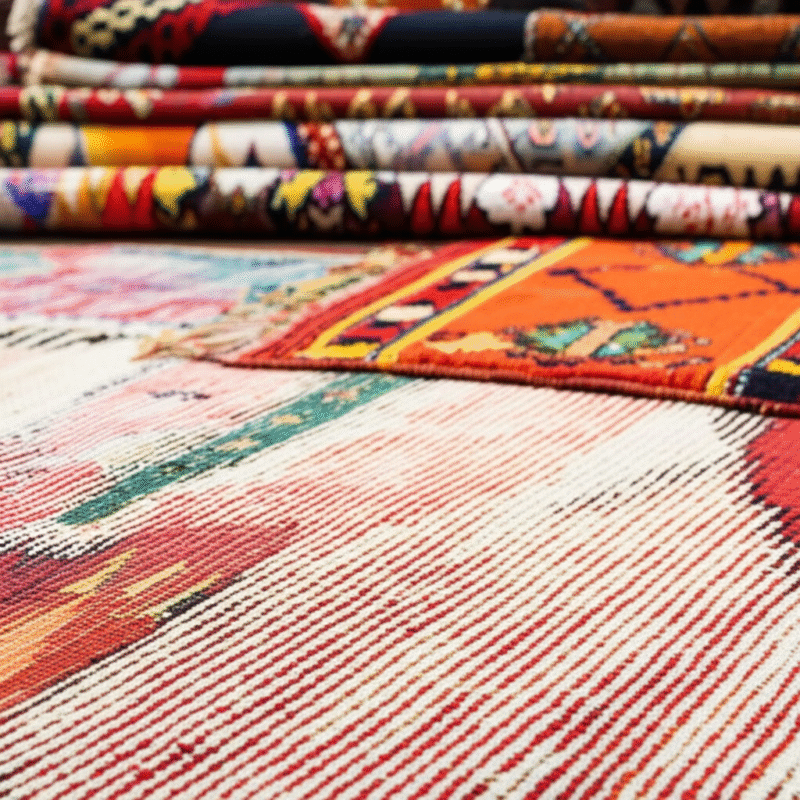
Boucherouite Rugs: Boucherouite rugs, also known as rag rugs, are a testament to Berber ingenuity and resourcefulness. These rugs are crafted from recycled textiles, including scraps of fabric, clothing, and other materials. As a result, Boucherouite rugs are incredibly unique, colorful, and textured, offering a sustainable and eco-friendly option for adding personality to your home.
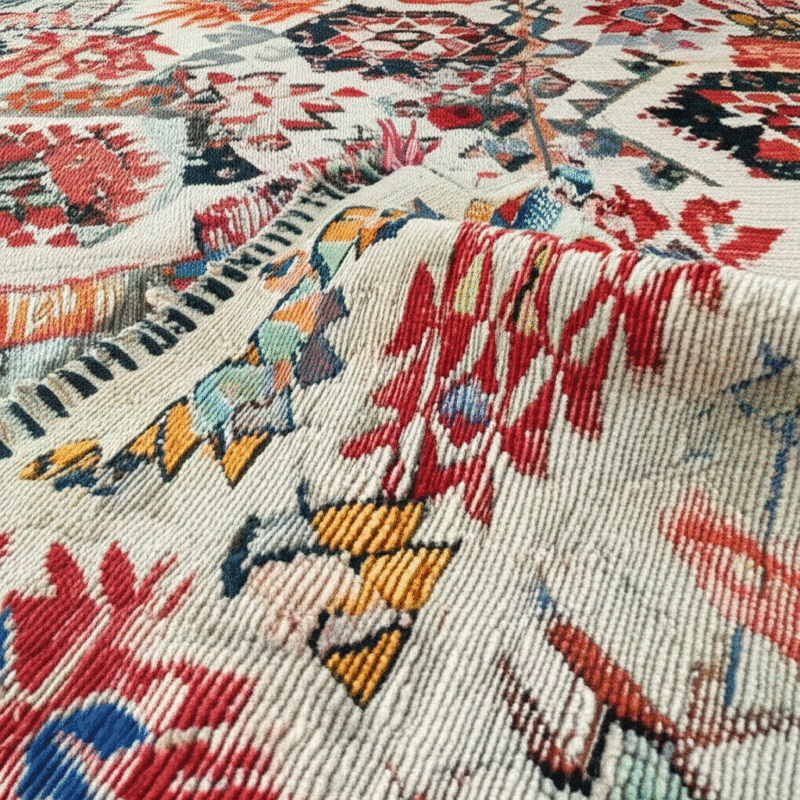
Kilim Rugs: Known for their flat weave and geometric designs, Kilim rugs are lighter and thinner than their pile counterparts. These rugs are often made from wool or cotton and feature vibrant colors and striking patterns, making them ideal for high-traffic areas or layering under other rugs.
Talsint Rugs: These are similar to Beni Ouarin, but more rare. Usually, the colors are neutral and use undyed wool. They have a simpler design than the Beni Ouarin.
Incorporating Moroccan Rugs into Your Home Décor
Marokkanische Teppiche can seamlessly integrate into various design aesthetics, adding a touch of global flair, warmth, and texture. Here are some tips for incorporating these rugs into your home:
Define your space: Use a large Moroccan rug to anchor your living room furniture and create a cozy gathering area. Center the rug under your sofa and chairs, ensuring that at least the front legs of the furniture rest on the rug.
Add warmth to bedrooms: Place a smaller Moroccan rug under your bed or as a bedside runner to add warmth and comfort to your bedroom.
Create a hallway statement: Use a long, narrow Moroccan rug to add color and personality to your hallway.
Layer with other textures: Don’t be afraid to layer your Moroccan rug with other textures, such as sheepskins, kilim cushions, or woven throws, to create a bohemian and inviting ambiance.
Embrace imperfection: Remember that handmade Berber rugs are unique and may have slight imperfections. These imperfections are part of their charm and authenticity, adding to their character and appeal.
Caring for Your Handmade Moroccan Rug
To ensure that your handmade Moroccan rug lasts for generations, proper care is essential. Here are some tips for maintaining your rug:
Vacuum regularly: Use a vacuum cleaner with a gentle setting to remove dust and debris. Avoid using a beater bar, as it can damage the fibers.
Spot clean spills immediately: Blot spills with a clean, absorbent cloth. Avoid rubbing, as this can spread the stain.
Professional cleaning: For deep cleaning, consider having your rug professionally cleaned by a rug specialist every few years.
Rotate your rug: Rotate your rug periodically to ensure even wear and prevent fading.
* Use a rug pad: Place a rug pad under your rug to prevent slippage, protect your floors, and extend the life of your rug.
In conclusion, Marokkanische Teppiche offer a unique blend of artistry, history, and cultural significance. Their handmade character, diverse styles, and versatility make them a perfect addition to any home, adding warmth, texture, and a touch of effortless style. Whether you choose a classic Beni Ourain, a vibrant Azilal, or a recycled Boucherouite, a Moroccan rug is sure to become a treasured heirloom for generations to come. Embrace the beauty of berber craftsmanship and transform your living space into a haven of style and comfort.