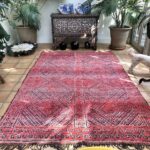



- Moroccan Rugs: Bringing Authentic Berber Style Into Your Home
- Understanding the Allure of Moroccan Rugs
- Diving into the World of Berber Rug Weaving
- Key Characteristics of Berber Style
- Finding the Perfect Moroccan Rug for Your Space
- Caring for Your Piece of Art: Moroccan Rug Maintenance
Moroccan Rugs: Bringing Authentic Berber Style Into Your Home
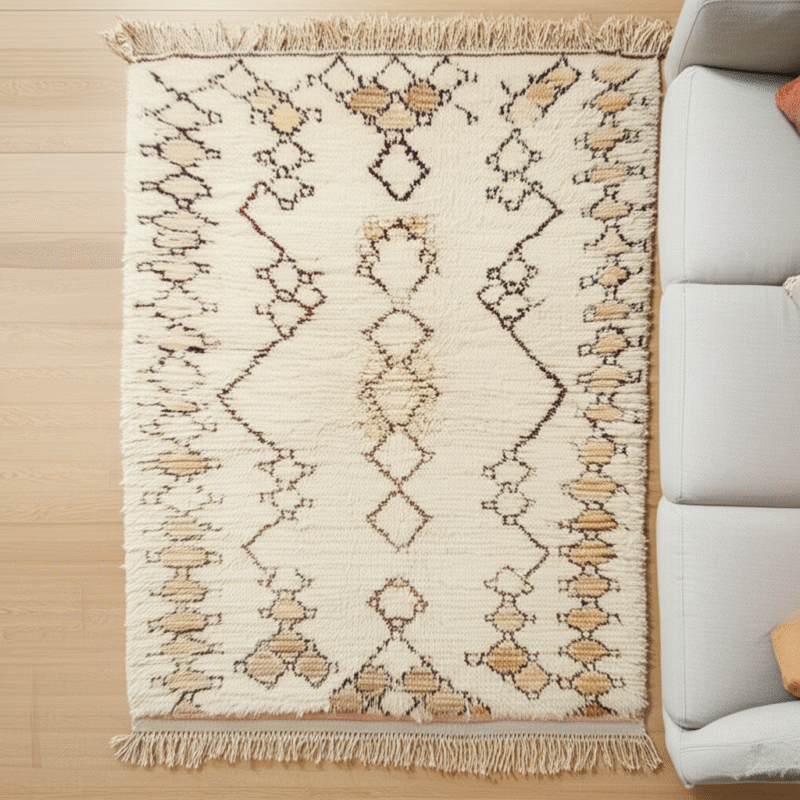
Moroccan rugs, steeped in history and woven with vibrant storytelling, are more than just floor coverings. They are pieces of art, cultural touchstones, and cozy additions that can transform any living space. Originating from the Berber tribes of Morocco, these rugs are renowned for their distinctive designs, rich textures, and the exceptional craftsmanship that goes into each handmade piece. If you’re looking to infuse your home with warmth, personality, and a touch of exotic charm, exploring the world of berber style is a fantastic place to start.
Understanding the Allure of Moroccan Rugs
The popularity of Moroccan rugs stems from several key factors. Their unique aesthetic, deeply rooted in Berber tribal traditions, offers a refreshing alternative to mass-produced carpets. Each rug tells a story, reflecting the weaver’s personal experiences, beliefs, and the landscapes that surround them. This inherent individuality makes owning a Moroccan rug a truly special experience.
Furthermore, the use of natural materials and traditional weaving techniques ensures exceptional quality and durability. These rugs are built to last, often becoming treasured heirlooms passed down through generations. The soft wool, intricate patterns, and rich colors create a sense of warmth and comfort, making them a perfect addition to any room. Finally, their versatility allows them to seamlessly blend with a variety of interior design styles, from bohemian and eclectic to minimalist and modern.
Diving into the World of Berber Rug Weaving
Berber rugs are not simply manufactured; they are created with intention, skill, and a deep connection to tradition. For centuries, Berber women have been the master weavers, passing down their knowledge and techniques within their families. The process begins with carefully selecting high-quality wool, often sourced from local sheep raised in the Atlas Mountains. This wool is then hand-spun into yarn, which is dyed using natural pigments derived from plants, minerals, and even insects.
The weaving itself is a labor-intensive process, often taking weeks or even months to complete. Using traditional looms, the weavers meticulously knot each strand of yarn, creating intricate patterns and geometric designs. These designs are not typically drawn out beforehand but are often improvised, reflecting the weaver’s creativity and inspiration. This freestyle approach contributes to the unique character of each rug, ensuring that no two are ever exactly alike. The imperfections are not considered flaws, but rather a testament to its handmade nature.
Key Characteristics of Berber Style
While there’s a significant variety in Moroccan rug designs, certain characteristics are commonly associated with berber style:
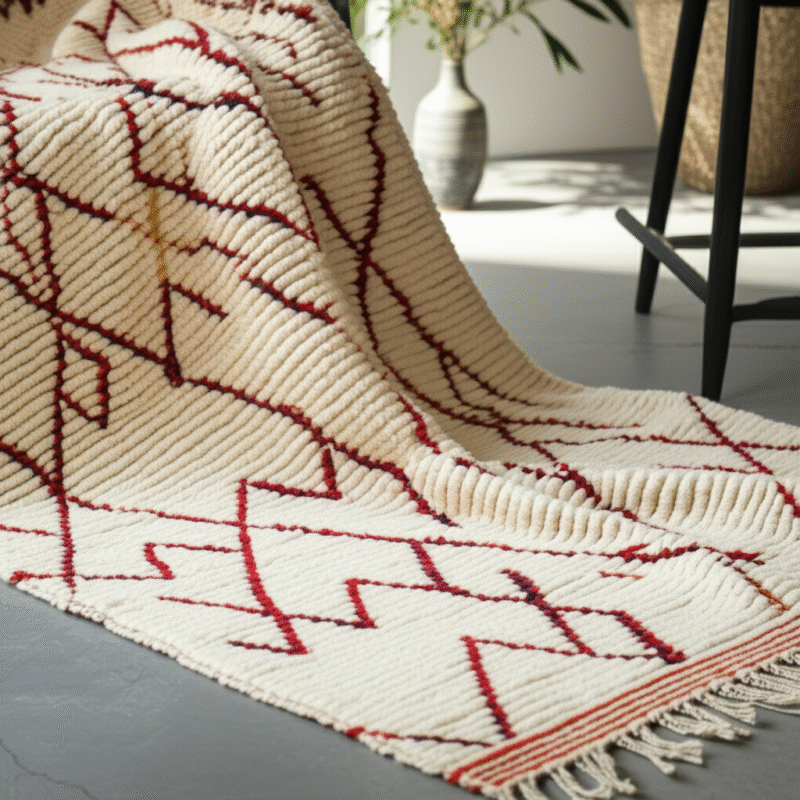
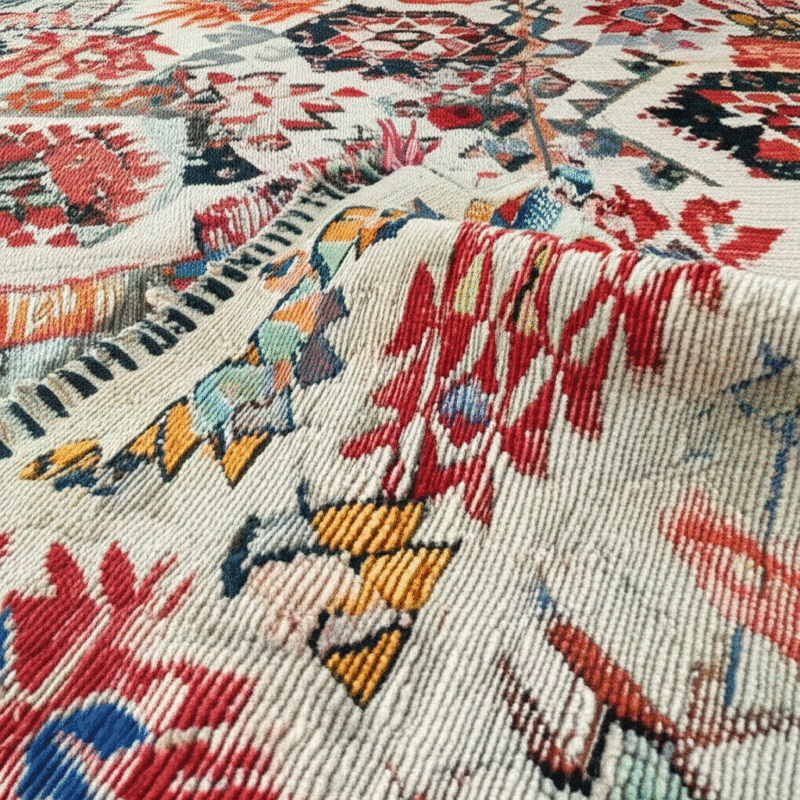
Geometric patterns: Diamonds, triangles, zigzags, and other geometric motifs are prevalent, often symbolizing protection, fertility, and other important aspects of Berber culture.
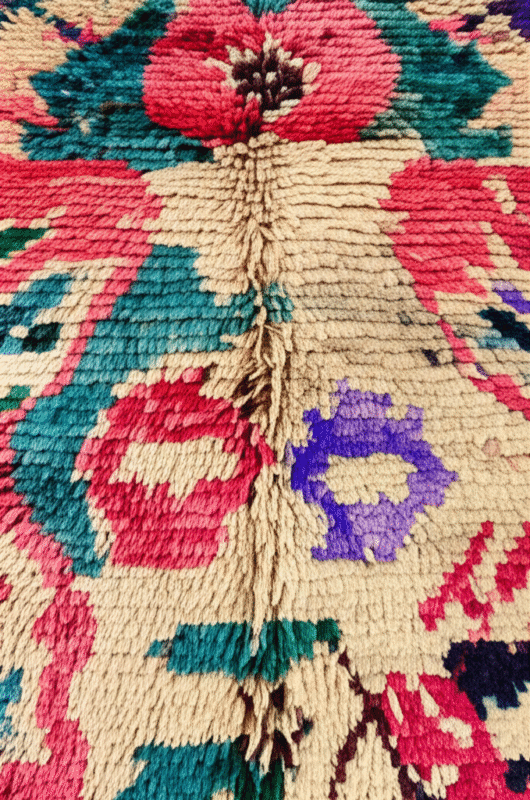
Natural colors: Earthy tones like cream, beige, brown, and black are common, reflecting the natural environment. However, vibrant colors like red, yellow, and blue are also used to add pops of personality.
Thick pile: Many Berber rugs, particularly those from the Beni Ourain tribe, feature a thick, plush pile that provides exceptional comfort and warmth.
Asymmetry and imperfection: Embrace the charming irregularities inherent in handmade items. Slight variations in pattern or color are part of the rug’s unique appeal and authenticity.
Symbolic motifs: Keep an eye out for symbols that carry meaning. For instance, the diamond often represents female fertility, while the cross may symbolize protection.
Finding the Perfect Moroccan Rug for Your Space
Choosing the right Moroccan rug can feel overwhelming, but considering these factors can help you narrow your search:
Size and Shape: Measure the space where you plan to place the rug to determine the appropriate size. Consider whether you want the rug to cover the entire floor or serve as an accent piece.
Color Palette: Think about the existing colors in your room and choose a rug that complements or contrasts them. Neutral tones are versatile, offering a subtle backdrop, while bolder colors can add drama and visual interest.
Pile Height: Choose a pile height that suits your lifestyle and preferences. High-pile rugs are soft and luxurious, while low-pile rugs are easier to clean and maintain.
Material: Most moroccan rugs are made from wool, but some may incorporate cotton or other natural fibers. Wool is durable, stain-resistant, and provides excellent insulation.
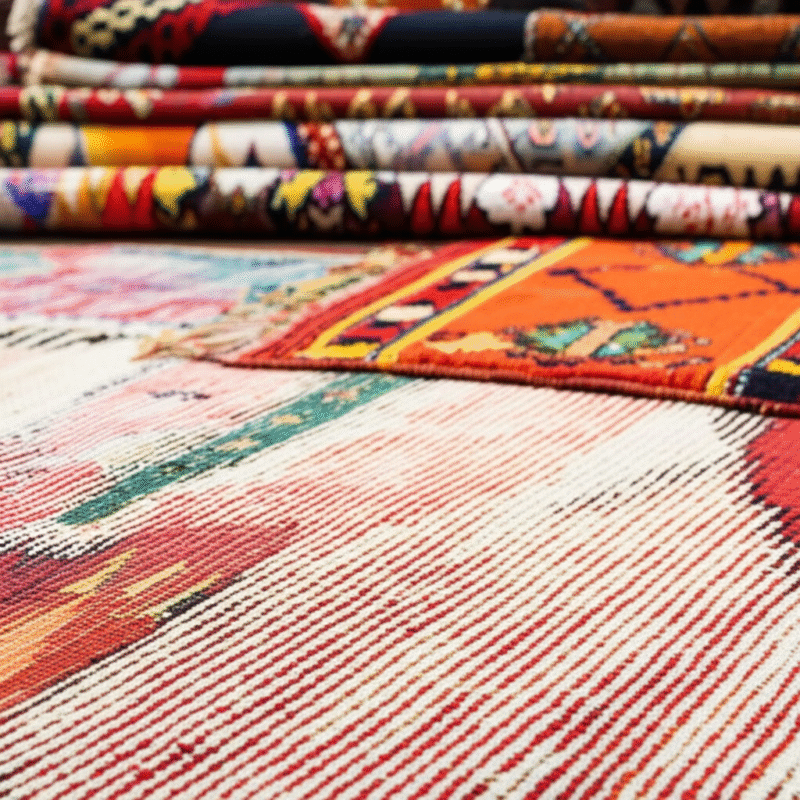
Authenticity: When purchasing a Moroccan rug, it’s important to consider its authenticity. Look for reputable sellers who work directly with Berber weavers or have a proven track record of selling genuine products. Be wary of suspiciously low prices, as they may indicate a mass-produced or imitation rug.
Caring for Your Piece of Art: Moroccan Rug Maintenance
To ensure your moroccan rugs retain their beauty and quality for years to come, proper care is essential. Regular vacuuming is crucial for removing dirt and debris. Avoid using harsh chemicals or abrasive cleaners, as they can damage the natural fibers and dyes. For stains, blot the area immediately with a clean cloth and mild detergent. Professional cleaning is recommended every few years to deep clean the rug and restore its vibrancy. With proper care, your Moroccan rug will be a cherished piece in your home for generations.
In conclusion, moroccan rugs offer a unique and captivating way to enhance your home decor. Their rich history, handmade craftsmanship, and distinctive berber style are sure to infuse your space with warmth, character, and a touch of exotic allure. By understanding the origins, characteristics, and care requirements of these beautiful textiles, you can make an informed decision and choose a rug that will bring joy and style to your home for years to come.