


- Moroccan Rugs: Effortless Guide to Handmade Berber Styles
- A Journey Through Time: The History of Berber Rugs
- Exploring the Different Styles of Handmade Moroccan Rugs
- Finding Authentic Moroccan Rugs: What to Look For
- Decorating with Moroccan Rugs: Bringing Berber Style Home
- Caring for Your Handmade Moroccan Rug
Moroccan Rugs: Effortless Guide to Handmade Berber Styles
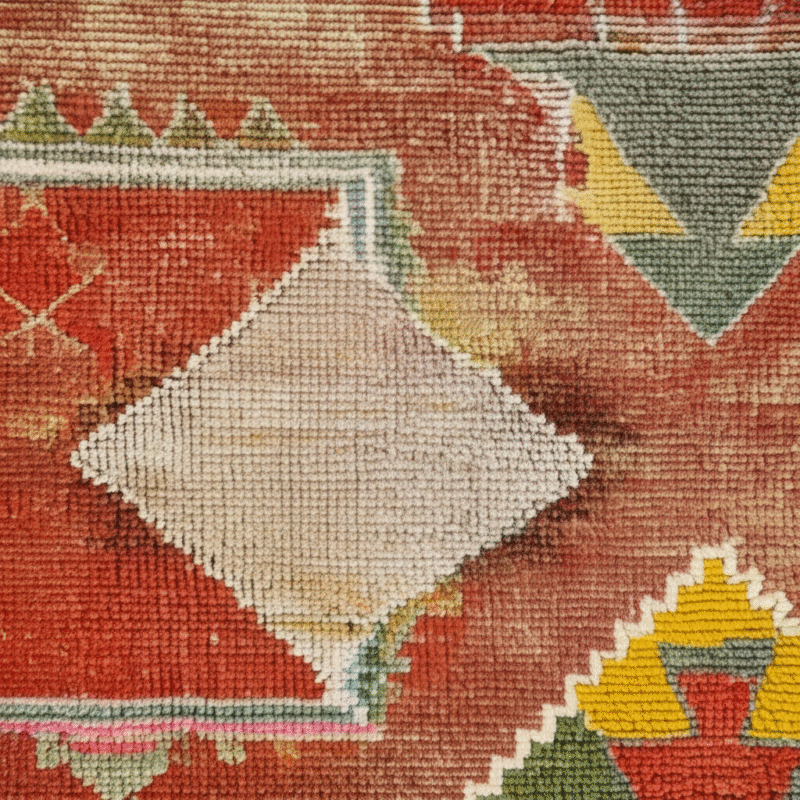
Moroccan rugs, famed for their vibrant colors, intricate patterns, and luxurious textures, have captivated the world of interior design for decades. More than just floor coverings, they are woven narratives, each telling a story of the Berber artisans who poured their hearts and traditions into creating them. This guide offers an in-depth look into the fascinating world of these handmade masterpieces, exploring their history, styles, and the best ways to incorporate them into your home.
A Journey Through Time: The History of Berber Rugs
The history of Moroccan rugs is inextricably linked to the Berber people, the indigenous inhabitants of North Africa. For centuries, these nomadic tribes have relied on rug weaving, not just as a source of income, but also as a means of expressing their identity, beliefs, and experiences. Traditionally crafted by women, the rugs served as vital functional items – protecting from the cold, providing comfortable seating, and acting as dowry pieces.
The art of rug making has been passed down through generations, with each tribe developing its own unique designs and techniques. These distinctive styles reflect the diverse landscapes and cultures of Morocco, from the snow-capped Atlas Mountains to the vast Sahara Desert. Motifs woven into the rugs often hold symbolic meanings, representing fertility, protection, and the connection to the natural world.
Exploring the Different Styles of Handmade Moroccan Rugs
The world of Moroccan rugs is vast and varied, encompassing a wide range of styles, each with its own distinct characteristics. Understanding these differences is crucial when searching for the perfect piece to complement your space. Here are some of the most popular Berber rug styles:
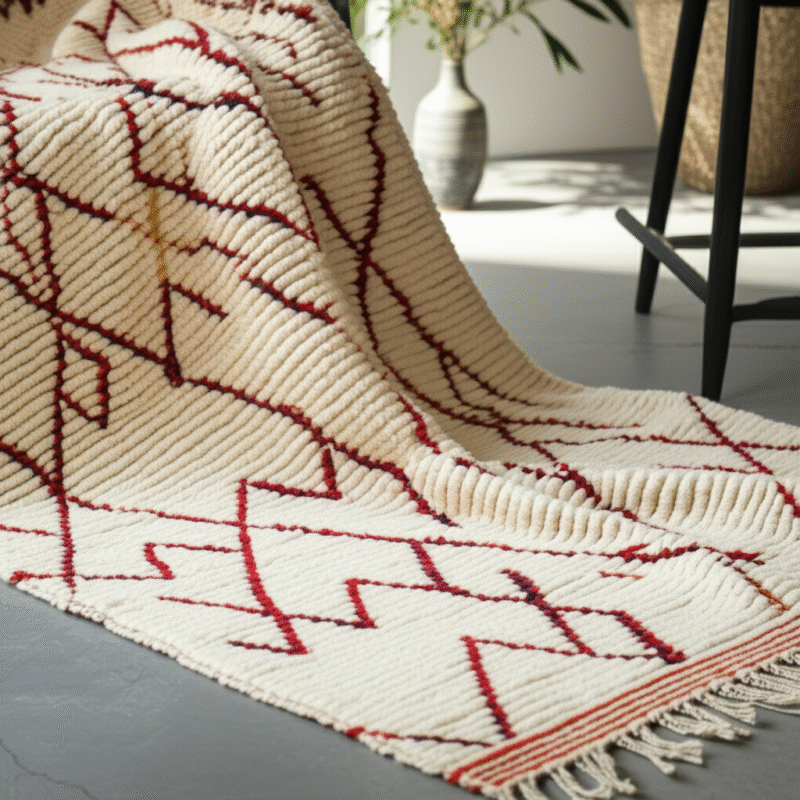
Beni Ourain: Arguably the most iconic Moroccan rug, Beni Ourain rugs are known for their plush, undyed wool and minimalist geometric designs. Originating from the Beni Ourain tribes of the Atlas Mountains, these rugs are incredibly soft and luxurious, making them ideal for creating a cozy and inviting atmosphere.
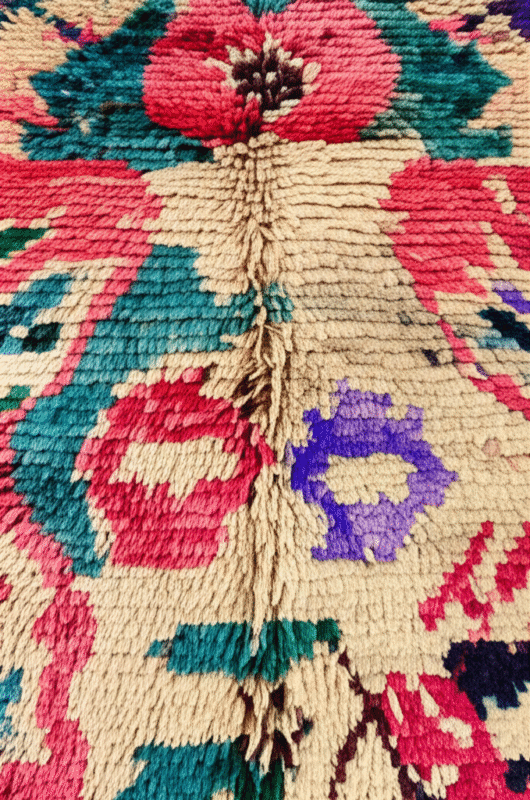
Azilal: Hailing from the remote Azilal region, these rugs are characterized by their vibrant colors and bold, abstract patterns. Azilal rugs often feature intricate geometric motifs combined with tribal symbols, creating a unique and expressive aesthetic.
Boucherouite: In contrast to the use of fine wool, Boucherouite rugs are crafted from recycled fabric scraps, giving them a unique, bohemian appeal. These rugs are incredibly colorful and playful, often featuring a patchwork of textures and patterns. The use of recycled materials also makes them a sustainable and eco-friendly choice.
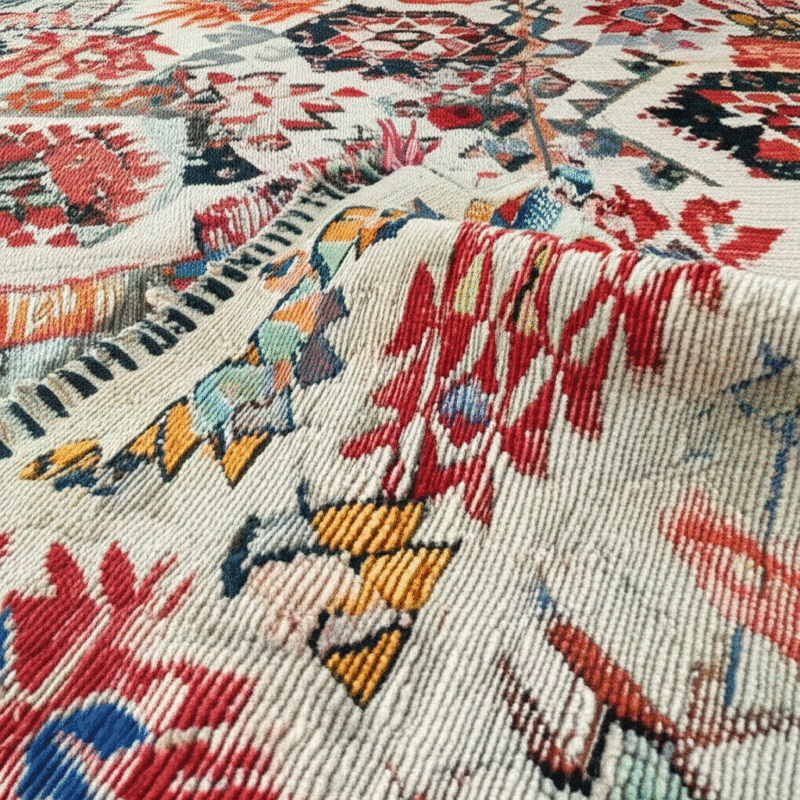
Kilim: While not technically a rug, Kilim flatweaves are a popular choice for adding a touch of Moroccan flair to your home. These flat-woven textiles are lighter and more durable than pile rugs, making them ideal for high-traffic areas. They often feature geometric designs and vibrant colors.
Talsint: Originating from the Talsint region, these rugs are known for their dense pile and intricate geometric patterns. Typically featuring red and brown hues, these rugs are highly sought after for their durability and timeless appeal.
Finding Authentic Moroccan Rugs: What to Look For
With the increasing popularity of Moroccan rugs, it’s important to be aware of imitations and mass-produced replicas. To ensure you are investing in an authentic, handmade Berber rug, consider the following:
Material: Authentic Moroccan rugs are made from high-quality, natural materials, primarily wool. Look for rugs made from hand-spun wool with a rich, natural texture.
Craftsmanship: Examine the rug’s construction closely. Handmade rugs will often have slight imperfections, such as variations in the weave or pattern. These imperfections are a testament to the rug’s unique character and artisanal origins.
Origin: Understanding the rug’s origin can provide valuable insights into its style and cultural significance. Research the different Berber tribes and their distinct weaving traditions.
Seller Reputation: Purchase your rug from a reputable dealer who specializes in authentic Moroccan textiles. Look for sellers who are transparent about the rug’s origin and production process.
Decorating with Moroccan Rugs: Bringing Berber Style Home
Moroccan Rugs offer incredible versatility, seamlessly blending with a wide range of interior design styles. Whether your aesthetic is bohemian, minimalist, or modern, a Moroccan rug can add warmth, character, and a touch of exotic flair to your space. Here are some tips for incorporating them into your home:
Living Room: A large Beni Ourain rug can serve as the focal point of your living room, creating a cozy and inviting space for relaxation and socializing. Layer it with smaller rugs or textiles to add depth and texture.
Bedroom: A plush Azilal or Beni Ourain rug can provide a luxurious and soft landing for your feet in the bedroom. Choose a rug with calming colors and patterns to create a serene and restful atmosphere.
Kitchen: A durable Kilim or Boucherouite rug can add a pop of color and personality to your kitchen. Choose a rug that is easy to clean and maintain, as kitchens are prone to spills and messes.
* Hallway: A long, narrow rug can add visual interest and warmth to a hallway. Choose a rug with a bold pattern or vibrant colors to create a welcoming entrance.
Caring for Your Handmade Moroccan Rug
With proper care, your handmade Moroccan rug will last for generations. Regular vacuuming is essential for removing dirt and debris. For spills, blot the area immediately with a clean cloth. Professional cleaning is recommended every few years to preserve the rug’s beauty and integrity. Avoid placing your rug in direct sunlight, as this can cause fading over time.
In conclusion, owning a Moroccan rug is more than just acquiring a beautiful decorative piece; it’s investing in a piece of history, a testament to the artistry and cultural heritage of the Berber people. By understanding the different styles, authenticating the source, and providing proper care, you can enjoy the beauty and charm of these exceptional handmade textiles for years to come.