


- Moroccan Rugs: Finding the Perfect Size for Your Space [Berber, Handmade]
- Understanding the Allure of Moroccan Rugs
- Why Size Matters: It's More Than Just Aesthetics
- Measuring Your Space: The Foundation for Success
- Finding the Best Size Moroccan Rugs for Different Rooms
- Tips for Choosing the Right Size of Handmade Berber Rugs
- Final Thoughts: Investing in Quality and Finding the Perfect Fit
Moroccan Rugs: Finding the Perfect Size for Your Space [Berber, Handmade]
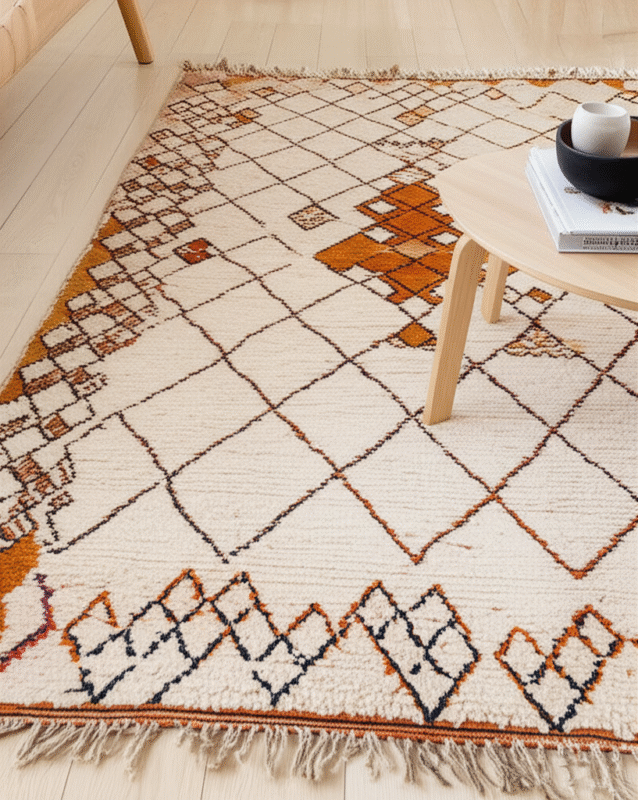
Moroccan rugs, with their rich history and captivating designs, have become a staple in interior design. Their vibrant colors, intricate patterns, and unique textures add warmth and character to any room. But before you fall in love with a particular design, understanding how to choose the best size for your space is crucial. This guide will walk you through everything you need to consider when selecting the perfect moroccan rugs size, especially when you’re looking at handmade and Berber rugs.
Understanding the Allure of Moroccan Rugs
Moroccan rugs, particularly those woven by the Berber tribes, are famous for their distinctive aesthetic. These rugs are not just floor coverings, they are works of art passed down through generations.
Handmade rugs, created with meticulous care and expertise, hold a special value. Each knot is tied by hand, resulting in a unique piece with inherent imperfections that add to its charm.
Berber rugs, originating from the indigenous people of North Africa, often feature geometric designs and natural color palettes that reflect the surrounding landscape. They are typically made from sheep’s wool, known for its durability and softness.
The right sized Moroccan rug will bring the room together creating a focal point and inviting atmosphere.
Why Size Matters: It’s More Than Just Aesthetics
Choosing the correct size for your Moroccan rug goes beyond simply fitting the dimensions of your floor. The size affects the overall balance and feel of the room. A rug that is too small can make the space feel disjointed and unfinished, while a rug that is too large can overwhelm the area and make it appear smaller. A well-proportioned rug, on the other hand, unifies furniture arrangements, defines zones, and creates a sense of harmony.
Measuring Your Space: The Foundation for Success
Before you even browse potential Moroccan rugs, take accurate measurements of the room or area where you plan to place it. Consider the following steps:
1. Determine the Purpose: What area are you defining? Is it a living room seating area, a dining area, or a bedroom? This will help you determine the area you wish the rug to cover.
2. Measure Length and Width: Use a measuring tape to determine the length and width of the space. Note these measurements in both inches and feet for easy reference.
3. Factor in Furniture: Consider the placement of your furniture. Do you want all your furniture to sit on the rug, just the front legs, or none at all? This will affect the dimensions of the rug you need.
4. Visualize the Rug: Use painter’s tape to mark out the potential rug size on the floor. This will give you a visual representation of how the rug will look in the space and help you adjust the size accordingly.
Finding the Best Size Moroccan Rugs for Different Rooms
Living Room:
Large Room: Opt for a rug that is large enough to accommodate all the major furniture pieces, such as the sofa, chairs, and coffee table. The front legs of the furniture should ideally sit on the rug.
Medium Room: Choose a rug that is large enough to anchor the seating area, with the front legs of the sofa and chairs resting on the rug.
Small Room: A smaller rug placed in front of the sofa can define the seating area without overcrowding the space.
Dining Room:
Select a rug that is large enough to extend at least 24-30 inches beyond all sides of the dining table when chairs are pulled out. This ensures that the chairs remain on the rug even when they are in use.
Bedroom:
Under the Bed: Place a large rug underneath the entire bed, extending beyond the sides and foot of the bed.
Runners: Two runners on either side of the bed for add warmth and comfort.
Bottom Third: Position a rug under the bottom third of the bed, leaving the head of the bed on the bare floor.
Entryway:
Choose a runner that is long enough to cover the length of the entryway or a small rectangular rug to welcome guests.
Tips for Choosing the Right Size of Handmade Berber Rugs
When selecting handmade Berber rugs, remember that these rugs often come in unique shapes and sizes. Here are some tips:
Embrace Imperfection: Don’t be discouraged by slight variations in size or shape. These imperfections are part of the rug’s charm and authenticity.
Consider the Design: The pattern and design of the rug can influence the perceived size. A rug with a bold, all-over pattern may appear larger than a rug with a simpler design.
* Custom Orders: If you have a specific size requirement, consider custom ordering a rug. Many artisans offer bespoke services where you can specify the dimensions, colors, and patterns you desire.
Final Thoughts: Investing in Quality and Finding the Perfect Fit
Choosing the right size is essential to seamlessly add moroccan rugs into your room. You will be left with a rug that enhances both the beauty of your space and the comfort you experience within it if you follow these guidelines. Investing in a well-made, appropriately sized rug is an investment in the overall aesthetic and feel of your home. Don’t be afraid to experiment with different sizes and placements until you find the perfect fit that complements your style and enhances the beauty of your space.