

- Moroccan Rugs: Are Handmade Berber Styles the Best Choice?
- A Journey Through History: The Berber Tradition
- Exploring the Diversity of Moroccan Rug Styles
- The Allure of Handmade Moroccan Carpets
- Are Handmade Berber Moroccan Rugs the Best Choice?
Moroccan Rugs: Are Handmade Berber Styles the Best Choice?
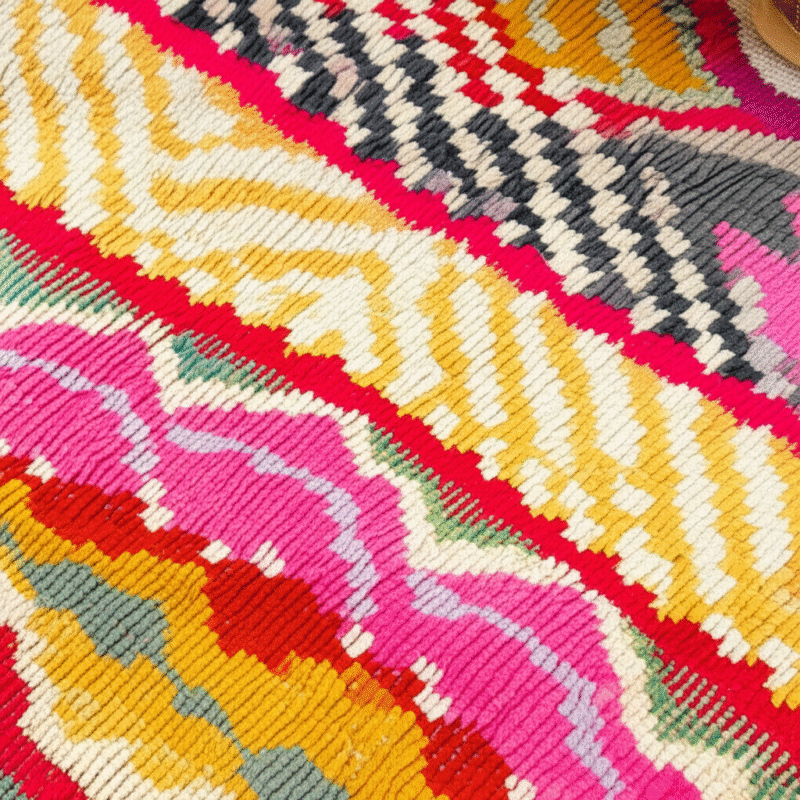
Moroccan rugs, with their vibrant colors, intricate patterns, and rich history, have captivated homeowners and designers for centuries. These textiles, often handmade by Berber artisans, offer a unique blend of artistry and functionality that elevates any space. But with a wide range of styles and materials available, are handmade Berber Moroccan rugs truly the best choice for your home? Let’s delve into the world of these captivating carpets and explore what makes them so special.
A Journey Through History: The Berber Tradition
The story of Moroccan rugs is deeply intertwined with the Berber people, the indigenous inhabitants of North Africa. For generations, Berber artisans have woven these rugs, not just as functional floor coverings, but also as expressions of their culture, beliefs, and daily lives. Passed down through families, the skills and techniques involved in crafting these pieces are steeped in tradition.
Each rug tells a story, often reflecting the weaver’s personal experiences, tribal heritage, and connections to nature. Symbols and motifs, woven into the fabric, carry specific meanings, representing everything from fertility and protection to the cycle of life and connection to the spiritual realm. It’s this rich cultural significance that sets Berber rugs apart, transforming them into more than just decorative items; they become treasured pieces of art.
Many traditional Moroccan rugs are made using natural, locally sourced wool, often dyed with plant-based pigments. This commitment to natural materials not only contributes to the rug’s unique aesthetic but also ensures its durability and longevity. The imperfections and irregularities inherent in handmade items further enhance their charm and authenticity, making each piece truly one-of-a-kind.
Exploring the Diversity of Moroccan Rug Styles
While often collectively referred to as “Moroccan rugs,” there’s a remarkable diversity within this category, reflecting the distinct regional styles and tribal traditions across Morocco. Some popular styles include:
Beni Ourain: Perhaps the most iconic Moroccan rug, Beni Ourain rugs are known for their minimalist designs, typically featuring geometric patterns in shades of cream, black, and brown. They are prized for their luxurious texture and versatility, fitting seamlessly into both modern and traditional interiors.
Azilal: These rugs are characterized by their bright colors and geometric patterns, often incorporating symbols and motifs with specific meanings. They tend to be more experimental and expressive than Beni Ourain rugs, reflecting the individuality of the weaver.
Boucherouite: Made from recycled fabric scraps, Boucherouite rugs are a vibrant and sustainable option, offering a unique patchwork of colors and textures. They are a bold statement piece, perfect for adding a touch of bohemian flair to any room.
Kilim: While not technically a rug with pile, Kilims are flatwoven textiles that are also a significant part of Moroccan weaving tradition. They are known for their geometric designs and vibrant colors, offering a lighter and more versatile alternative to traditional pile rugs.
The Allure of Handmade Moroccan Carpets
Beyond their aesthetic appeal, there are several practical reasons why handmade Moroccan carpets are often considered a superior choice:
Quality and Durability: Handmade rugs are crafted with meticulous attention to detail, using high-quality materials and techniques that ensure their longevity. They are built to withstand daily wear and tear and can last for generations with proper care.
Uniqueness and Authenticity: Each handmade rug is a unique work of art, reflecting the skill and creativity of the individual weaver. The slight imperfections and variations in color and pattern add to their character and charm, making them truly one-of-a-kind.
Ethical Considerations: Purchasing handmade Moroccan rugs supports the livelihoods of Berber artisans and helps preserve traditional crafts. By choosing handmade, you are directly contributing to the sustainability of these communities and the continuation of their cultural heritage.
Investment Value: As handmade Moroccan rugs become increasingly sought after, their value can appreciate over time, making them a worthwhile investment for art collectors and design enthusiasts.
Are Handmade Berber Moroccan Rugs the Best Choice?
While the benefits of handmade Berber Moroccan rugs are undeniable, the “best” choice ultimately depends on individual preferences, budget, and lifestyle. Here are some factors to consider:
Budget: Handmade rugs are generally more expensive than their machine-made counterparts, reflecting the time, skill, and materials involved in their creation. Consider your budget and prioritize quality and authenticity within your price range.
Style Preferences: Do you appreciate the subtle variations and imperfections of handmade items, or do you prefer the uniformity and precision of machine-made rugs? Choose a rug that aligns with your aesthetic sensibilities.
Lifestyle Considerations: If you have young children or pets, a more durable and stain-resistant rug might be a practical choice. While handmade rugs can be surprisingly resilient, consider the wear and tear they will be subjected to.
Ethical Concerns: If supporting ethical and sustainable practices is important to you, prioritizing handmade rugs from reputable sources is a must.
In conclusion, moroccan rugs, especially handmade Berber styles, are a popular choice for their beauty, quality, and cultural significance. While they represent a significant investment, the artistry and tradition woven into each piece offer an enduring appeal that machine-made alternatives simply cannot replicate. By understanding the different styles, considering your personal needs and preferences, and prioritizing ethical sourcing, you can find the perfect Moroccan rug to add warmth, character, and a touch of Berber artistry to your home. Embrace the unique imperfections and celebrate the rich history behind these captivating textiles, transforming your space into a reflection of both style and culture.