

Moroccan Rugs: Are the Best Handmade Berber Style?
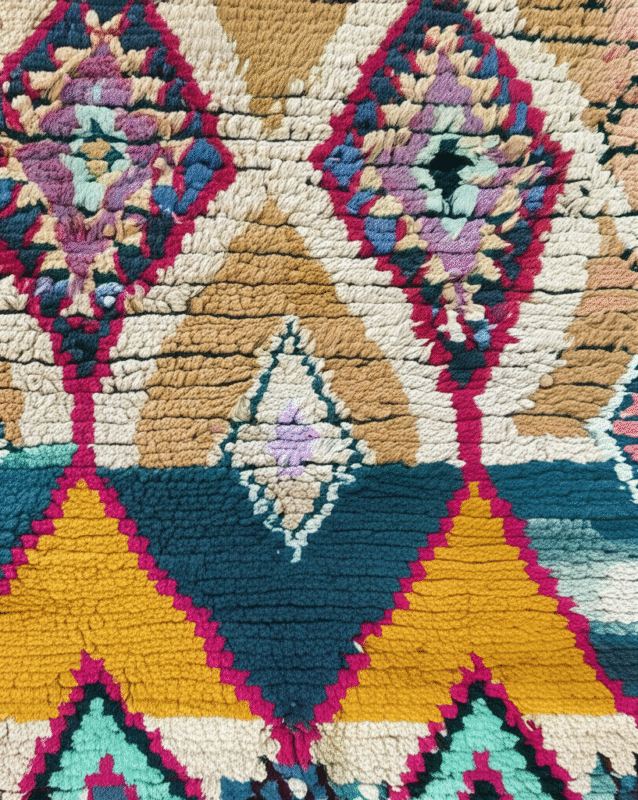
Moroccan rugs, with their vibrant colors, intricate patterns, and rich cultural history, have captivated the world of interior design for decades. They add warmth, character, and a touch of exoticism to any space. But when searching for the perfect piece, many find themselves asking: are the best truly handmade in the Berber style? Let’s delve into the fascinating world of these textiles to uncover the answer.
The Allure of Moroccan Rugs:
The appeal of Moroccan rugs extends far beyond their aesthetic beauty. They represent a tradition passed down through generations, woven with stories and symbolism deeply rooted in Berber culture. Each rug is a unique piece of art, reflecting the individual weaver’s creativity and personal experiences. These rugs are more than just floor coverings; they are cultural artifacts that bring a piece of Morocco into your home.
Understanding the Berber Influence
The term “Berber” refers to the indigenous people of North Africa, including Morocco. For centuries, these communities have been weaving rugs as an integral part of their nomadic and rural lifestyles. Historically, these textiles served practical purposes, providing warmth, bedding, and even saddle blankets. However, they also became canvases for artistic expression, reflecting tribal identities, beliefs, and personal narratives.
Berber rugs are traditionally made using natural wool, often sourced from the weaver’s own flock. The wool’s quality, texture, and natural variations contribute to the unique character of each piece. Plant-based dyes, such as indigo, henna, and saffron, are often used to create the vibrant colors characteristic of many Moroccan styles.
Exploring Different Styles of Moroccan Rugs
While the term “Berber rug” is often used as a catch-all, it encompasses a diverse range of styles, each with its distinct characteristics. Some of the most popular include:
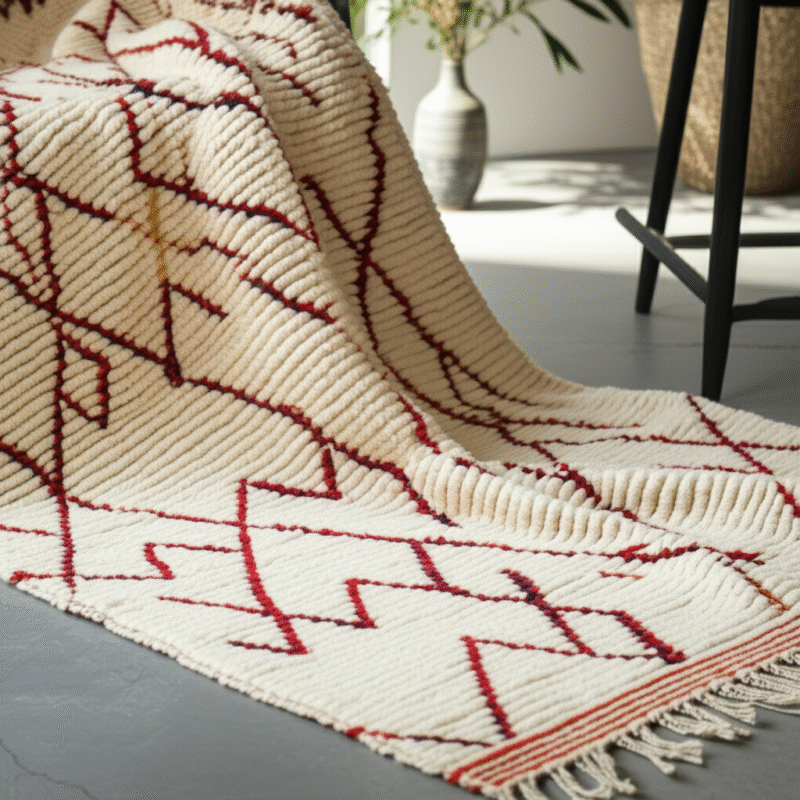
Beni Ourain: Known for their thick pile, minimalist geometric designs, and neutral color palettes (typically cream and brown), Beni Ourain rugs are incredibly versatile and add a touch of understated elegance to any space. Originating from the Beni Ourain tribes in the Atlas Mountains, they are highly sought after for their luxurious feel and timeless appeal.
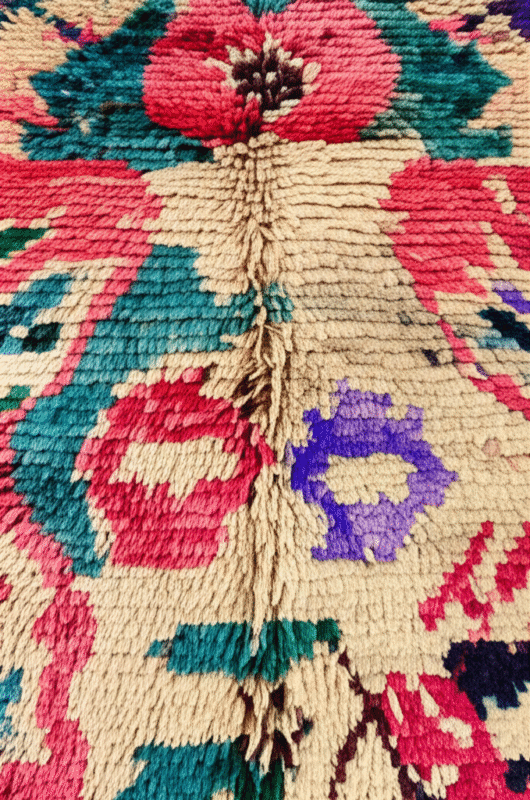
Azilal: These rugs are characterized by their vibrant colors, abstract designs, and playful asymmetry. Weavers from the Azilal region often incorporate recycled materials, such as cotton and sequins, into the designs, adding a unique textural element.
Boucherouite: Made from recycled fabric scraps, Boucherouite rugs are a kaleidoscope of color and texture. These rugs are a testament to the creativity and resourcefulness of Berber weavers, transforming discarded materials into stunning works of art.
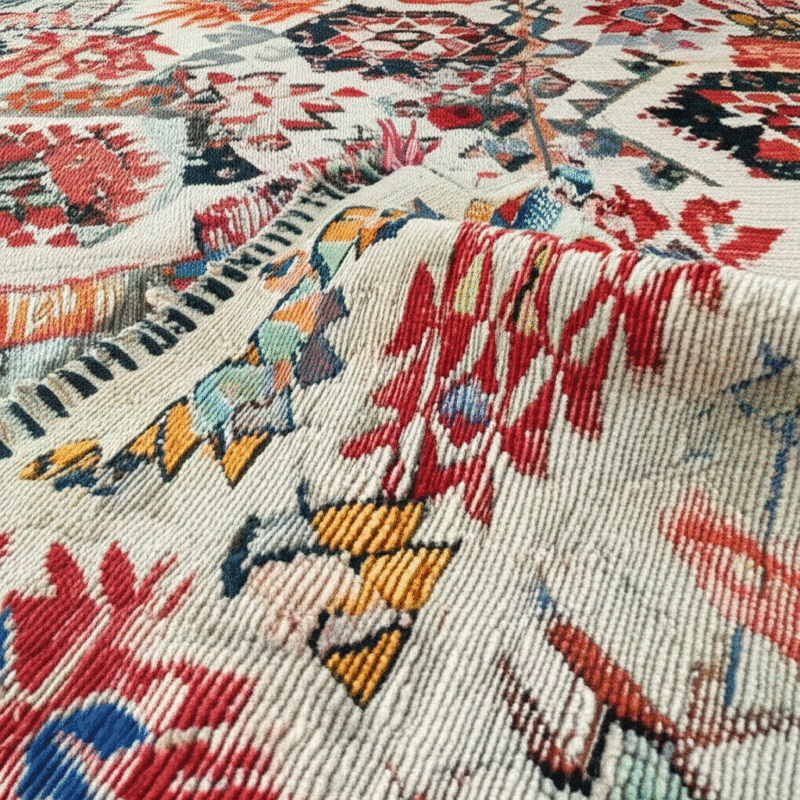
Kilim: Unlike piled rugs, Kilims are flatwoven, making them a more durable and low-maintenance option. They often feature geometric designs and bold colors, woven using a slit-weave technique.
Handmade vs. Machine-Made: The Defining Difference
The distinction between handmade and machine-made is crucial when evaluating Moroccan rugs. Handmade rugs possess a unique character and artistry that cannot be replicated by machines. Each knot is tied by hand, resulting in slight imperfections that add to the rug’s charm and individuality. Moreover, handmade rugs tend to be more durable and longer-lasting than their machine-made counterparts.
Machine-made rugs, on the other hand, are mass-produced and lack the unique character and craftsmanship of handmade pieces. While they may be more affordable, they often lack the quality, durability, and enduring appeal of authentic Moroccan rugs.
The Craftsmanship of Handmade Berber Rugs
Handmade Moroccan Rugs often involves a laborious and time-consuming process, requiring significant skill and expertise. The process typically involves the following steps:
1. Shearing the Wool: After shearing the wool from the sheep, the fibers are carefully cleaned and spun into yarn.
2. Dyeing the Yarn: Natural dyes are prepared using traditional methods, and the yarn is immersed in the dye baths to achieve the desired colors.
3. Setting Up the Loom: The loom is carefully set up, and the warp threads are strung vertically, providing the foundation for the rug.
4. Weaving the Design: The weaver meticulously knots the weft threads onto the warp threads, following a pre-determined design or improvising as they go.
5. Finishing Touches: Once the rug is complete, the ends are trimmed, and any necessary finishing touches are applied, such as adding tassels or braids.
Are Handmade Berber the Best
Ultimately, the “best” type of Moroccan rug depends on individual preferences and needs. However, for those seeking a piece that embodies artistry, cultural heritage, and exceptional quality, handmade Berber rugs are undoubtedly the superior choice. Their unique designs, natural materials, and meticulous craftsmanship make them treasured heirloom pieces that will be cherished for generations to come. While other styles offer unique aesthetics, the core of what makes a Moroccan rug special is often found in the traditions and techniques employed by Berber artisans. Handmade Berber represents an elevated form of both art and cultural preservation.
When purchasing a Moroccan rug, it’s essential to do your research and seek out reputable dealers who work directly with Berber communities. This helps ensure you’re getting an authentic, high-quality product and supporting the livelihoods of the artisans who create these stunning textiles. While other options like machine-made and other styles exist, if you deeply value authenticity, craftsmanship, and a piece of cultural history, then the answer is definitively yes: Handmade Berber Moroccan Rugs represent the best.