


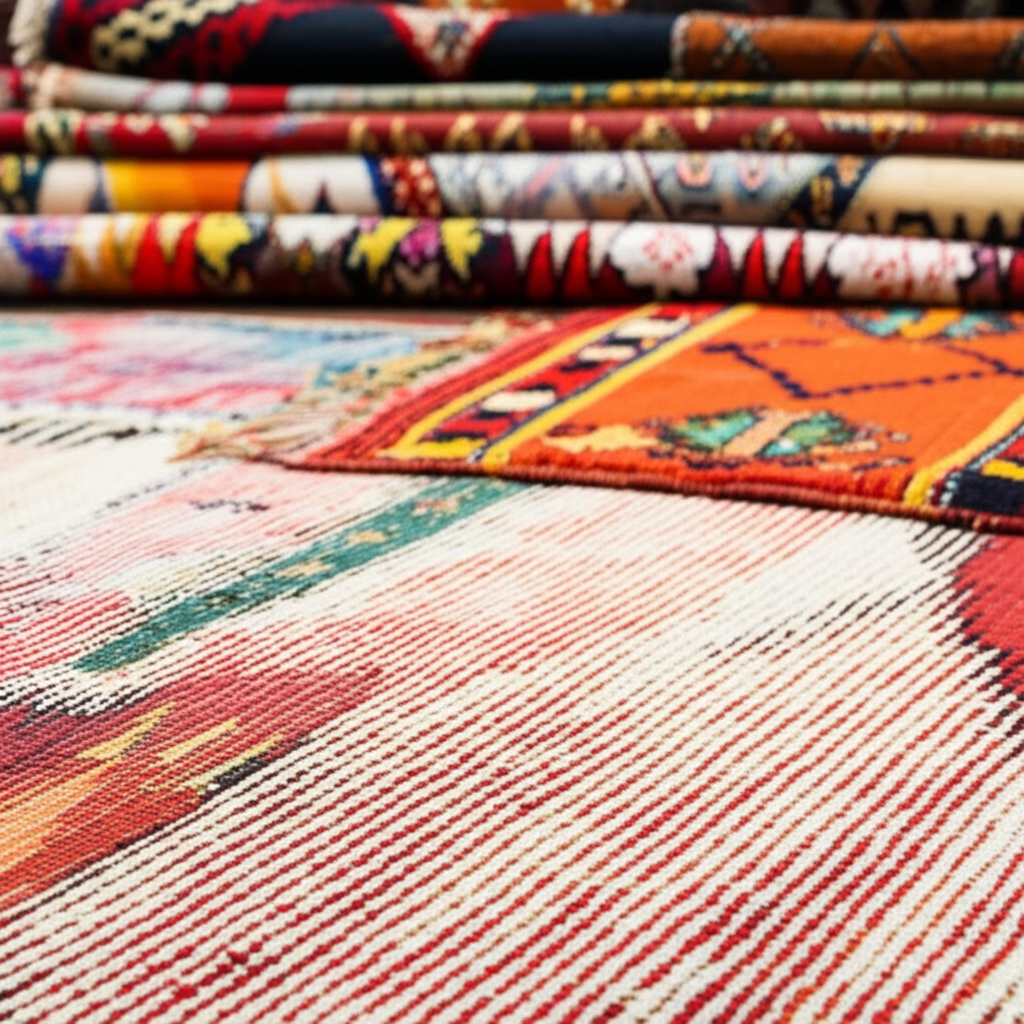
- Moroccan Rugs: Weaving History, Art, and Comfort Underfoot
- The Timeless Appeal of Moroccan Rugs
- Exploring the Diverse World of Berber Rug Styles
- Identifying an Authentic Handmade Rug
- Caring For Your Berber Treasure
Moroccan Rugs: Weaving History, Art, and Comfort Underfoot
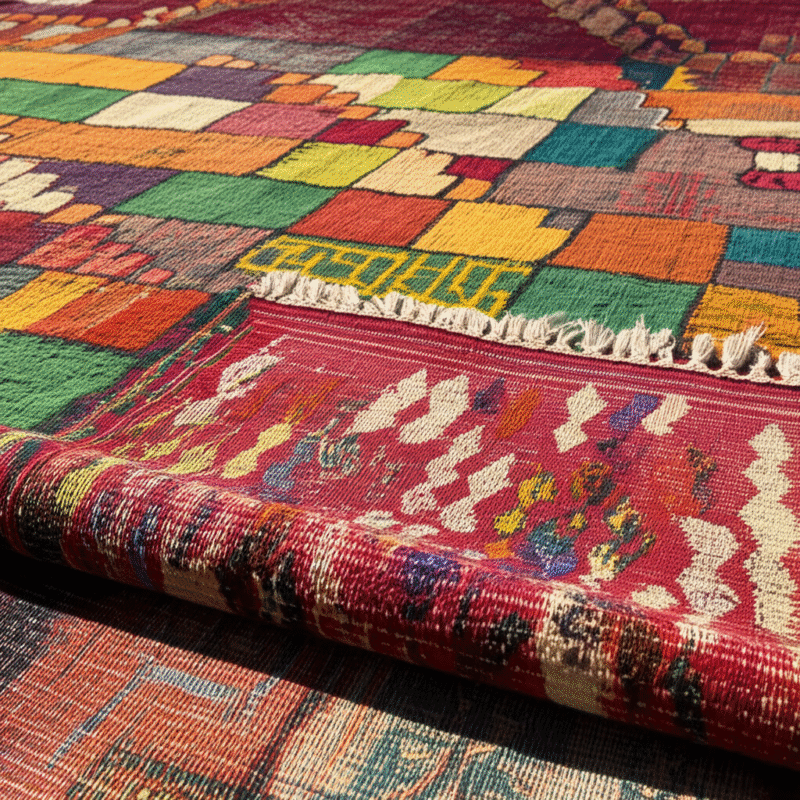
Moroccan rugs: These aren’t just floor coverings; they’re vibrant pieces of Berber history, artistry, and cultural heritage, meticulously handmade using techniques passed down through generations. For centuries, these stunning textiles have graced homes across the globe, prized for their unique designs, exceptional quality, and ability to infuse any space with warmth and character. From the bold geometric patterns of Beni Ourain rugs to the intricate artistry of Azilal creations, Marokkanische Teppiche offer a captivating glimpse into the rich tapestry of Moroccan Berber culture.
Let’s delve deeper into what makes these handmade treasures so special, exploring their origins, diverse styles, and how to find the perfect one for your home.
The Timeless Appeal of Moroccan Rugs
The allure of Marokkanische Teppiche lies in their story. They are more than just decorative items; they are living narratives, each knot and color choice reflecting the experiences and beliefs of the Berber women who weave them. Historically, these rugs served practical purposes, providing warmth and protection from the harsh desert climate. Over time, they evolved into sophisticated art forms, imbued with symbolism and personal expression.
These rugs were originally crafted by various Berber tribes across the Atlas Mountains and beyond, each region developing its own distinct style and weaving techniques. The handmade nature of each rug ensures its individuality, making it a truly one-of-a-kind piece. The slight imperfections and variations in color and pattern are not flaws; they are testaments to the authenticity and artisanal craftsmanship of these remarkable textiles.
Exploring the Diverse World of Berber Rug Styles
The term “Berber rug” encompasses a wide array of styles, each offering a unique aesthetic and reflecting the specific traditions of the tribe that created it. Understanding these differences can help you choose a rug that resonates with your personal style and complements your home décor. Here are a few of the most popular types:
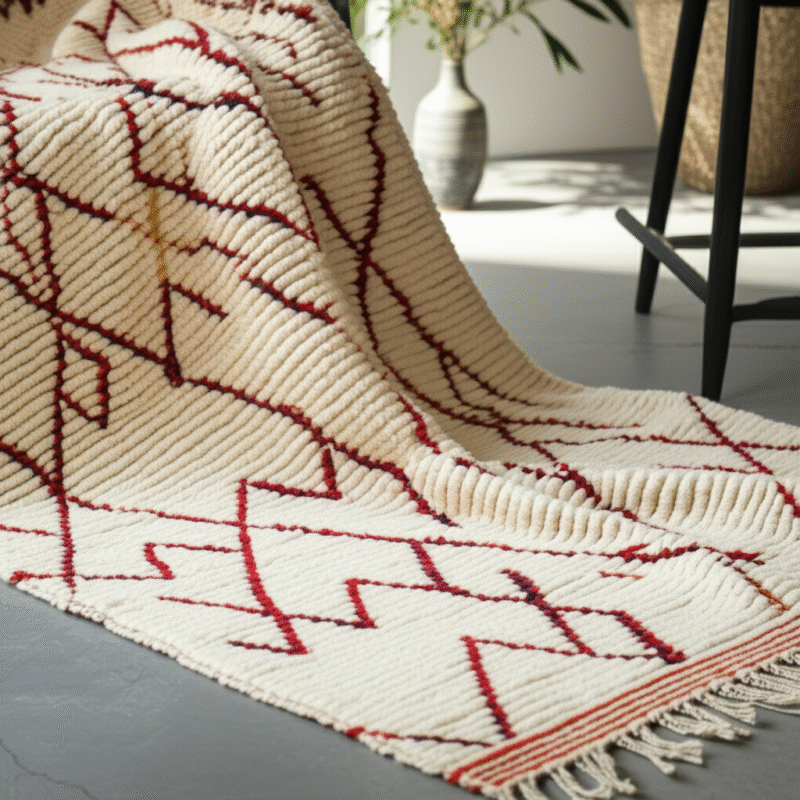
Beni Ourain Rugs: Perhaps the most well-known style, Beni Ourain rugs are characterized by their thick, plush wool and minimalist designs. Typically featuring geometric patterns in natural shades of white, cream, and brown, these rugs offer a sense of understated elegance and comfort.
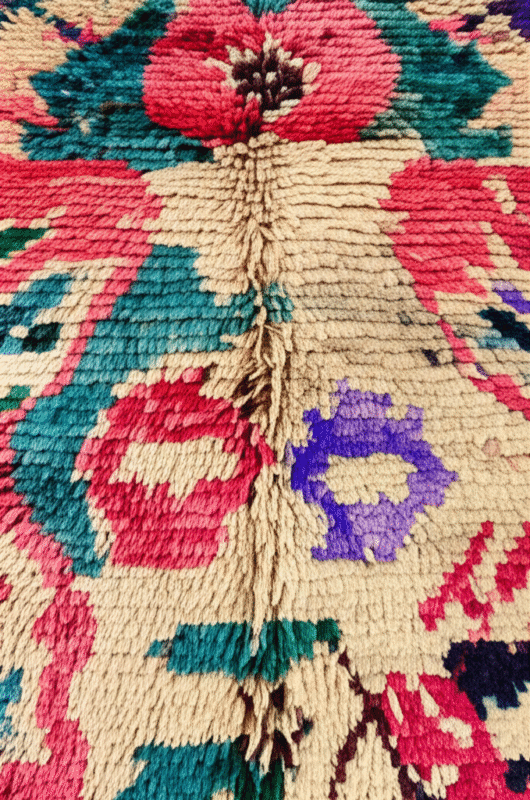
Azilal Rugs: Woven by women of the Azilal region, these rugs are known for their vibrant colors and imaginative designs. Often incorporating abstract patterns, tribal symbols, and even figurative elements, Azilal rugs are true works of art, showcasing the creativity and artistic flair of their makers.
Boucherouite Rugs: These rugs are a celebration of resourcefulness and sustainability. Made from recycled textile scraps, Boucherouite rugs are a riot of color and texture. Their playful designs and eco-friendly nature make them a popular choice for adding a touch of bohemian charm to any space.
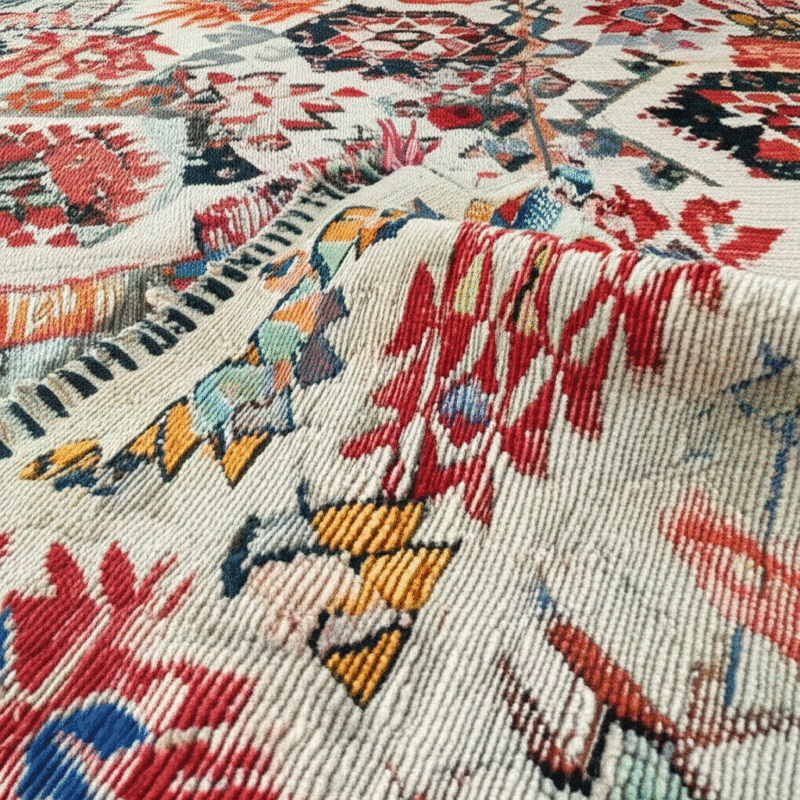
Kilim Rugs: Unlike the plush, knotted pile of traditional Marokkanische Teppiche, Kilims are flat-woven textiles. This technique results in a lighter, more durable rug, perfect for high-traffic areas. Kilim rugs often feature geometric patterns and bold colors, making them a striking addition to any room.
Talsint Rugs: Originating from the Talsint region, these rugs are known for their intricate geometric designs, often featuring diamond motifs and vibrant color palettes. Woven with high-quality wool, Talsint rugs are durable and visually stunning.
Identifying an Authentic Handmade Rug
With the growing popularity of Marokkanische Teppiche, it’s important to be able to distinguish between genuine handmade pieces and mass-produced imitations. Here are a few key indicators to look for:
Material: Authentic Marokkanische Teppiche are typically made from high-quality wool, often sourced from local sheep. Synthetic materials or blends are a red flag.
Design: Carefully examine the design for imperfections or inconsistencies. Handmade rugs will often have slight variations in the pattern or color, which are signs of their authenticity.
Knot Density: Inspect the knots on the back of the rug. A higher knot density generally indicates a higher quality rug.
Edges and Fringes: Check the edges and fringes for signs of hand-finishing. Machine-made rugs will often have perfectly straight and uniform edges, while handmade rugs will have a more organic and slightly uneven appearance.
Story: Seek out vendors or sellers who can provide information about the rug’s origin, the tribe that created it, and the meaning behind the design. This information can add to the rug’s personal value and connection.
Caring For Your Berber Treasure
Proper care will ensure that your Moroccan rug lasts for generations. Here are a few tips for maintaining its beauty and longevity:
Regular Vacuuming: Vacuum your rug regularly to remove dirt and debris that can damage the fibers.
Professional Cleaning: Consider having your rug professionally cleaned every few years to remove deep-seated dirt and maintain its vibrancy.
Spot Cleaning: Immediately blot spills with a clean, absorbent cloth. Avoid rubbing, as this can spread the stain.
Rotation: Rotate your rug periodically to ensure even wear and prevent fading in areas exposed to direct sunlight.
* Padding: Use a rug pad underneath your rug to protect your floors and provide additional cushioning.
Marokkanische Teppiche offer a unique blend of beauty, history, and cultural significance. Their handmade nature and diverse styles make them a truly special addition to any home, bringing warmth, character, and a touch of Berber artistry to your living space. By understanding the origins, styles, and characteristics of these stunning textiles, you can find the perfect rug to express your personal style and create a space that is both inviting and inspiring.