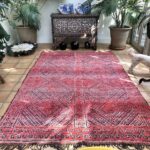



- Moroccan Rugs: Spot a Real Handmade Berber – The Ultimate Guide
- Unveiling the Magic of Berber Rugs
- The Hallmarks of a Handmade Moroccan Rug
- Spotting a Faux "Berber" Rug
- Understanding Berber Rug Styles
- Caring for Your Handmade Moroccan Rug
- Investing in a Piece of History
Moroccan Rugs: Spot a Real Handmade Berber – The Ultimate Guide
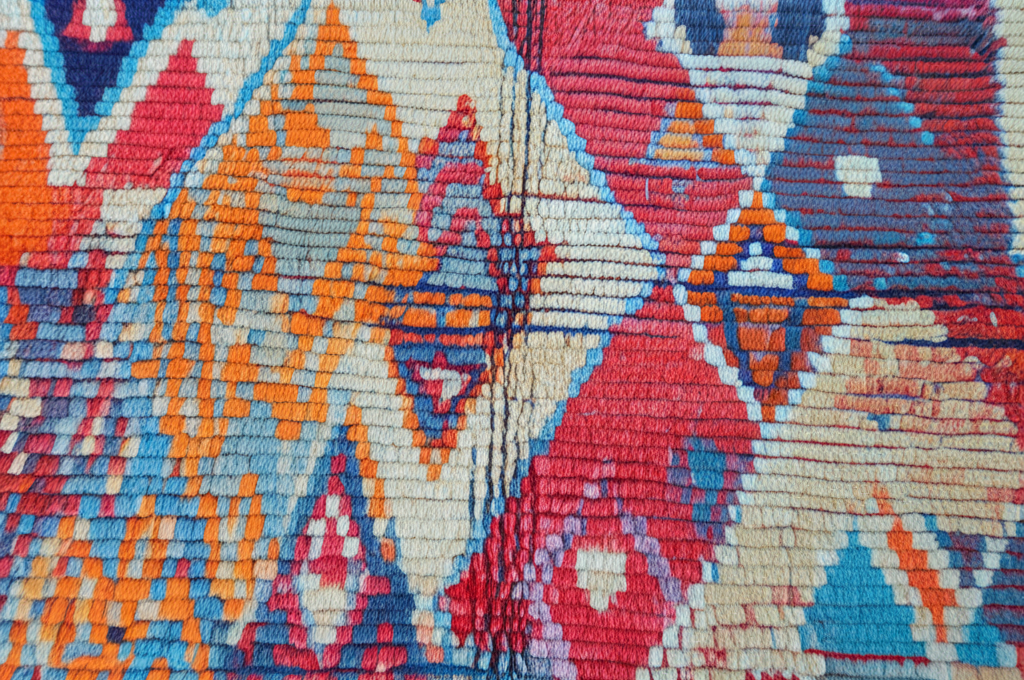
Moroccan rugs, with their vibrant colors, intricate patterns, and rich history, have captivated art enthusiasts and interior designers for centuries. These textiles are more than just floor coverings; they are windows into the soul of the Berber tribes who weave them, each rug telling a unique story woven with generations of tradition and symbolism. The allure of owning an authentic, handmade Berber rug is undeniable, but navigating the market and ensuring you’re acquiring a genuine piece can be a daunting task. This guide will equip you with the knowledge and tools to confidently identify a real handmade Berber rug and make an informed purchase.
Unveiling the Magic of Berber Rugs
Berber rugs are traditionally handwoven by Berber women, primarily in the Atlas Mountains of Morocco. These rugs are not merely decorative items; they are integral to Berber culture, serving as everything from bedding and blankets to ceremonial cloths and family heirlooms. The designs are deeply symbolic, often conveying stories of fertility, protection, life events, and the weaver’s personal experiences. Each tribe possesses its own distinct weaving style and design vocabulary, making Moroccan rugs incredibly diverse and captivating.
The most commonly used materials are sheep’s wool, known for its durability and natural warmth. Some rugs incorporate cotton, goat hair, or even camel hair to add texture and visual interest. Natural dyes, derived from plants and minerals found in the region, contribute to the rugs’ unique color palettes, ranging from earthy tones to vibrant hues.
The Hallmarks of a Handmade Moroccan Rug
Distinguishing a genuine handmade Berber rug from a machine-made imitation requires a keen eye and attention to detail. Here are some key characteristics to look for:
Asymmetry is Your Friend: Embrace imperfections! Authentic handmade rugs are rarely perfectly symmetrical. Variations in the design, knotting, and color are telltale signs of a human touch. Machine-made rugs, on the other hand, will exhibit flawless symmetry and uniformity.
The Beauty is in the Imperfect Knots: Examine the back of the rug closely. Handmade knots will vary slightly in size and tightness, while machine-made knots will be perfectly consistent and evenly spaced. Look for slight irregularities – a loose knot here or there, a slightly uneven row – these are badges of authenticity.
Natural Fibers Tell a Story: Real wool has a distinct feel and smell. It should feel soft and slightly lanolin-rich to the touch. A slight “sheepy” odor is also a good indicator of genuine wool. Synthetic fibers, used in imitation rugs, will feel different – often slippery or scratchy – and may have a chemical odor.
Hand-Spun Yarn: A Mark of Tradition: Hand-spun yarn has a characteristic unevenness and texture. Look closely at the individual strands of yarn. If they appear perfectly uniform and smooth, they are likely machine-spun.
Spotting a Faux “Berber” Rug
Now that you know what to look for in an authentic Moroccan rug, let’s discuss the common indicators of a fake. Be wary of rugs that:
Are Too Perfect: As mentioned before, symmetrical designs and flawless knotting are red flags.
Have a Low Price: Genuine handmade Berber rugs are labor-intensive to create, and the price should reflect that. Be suspicious of rugs offered at significantly lower prices than the average market value.
Smell “Off”: Chemical odors are a strong indication of synthetic dyes and materials. Real wool has a natural smell, not a chemical one.
Lack Detail: Authentic Berber rugs often feature intricate details and symbolic patterns. A bland or simplistic design may be a sign of a machine-made imitation.
Are Mass-Produced: If the seller has a large quantity of identical rugs readily available, they are likely mass-produced and not genuine handmade Berber pieces.
Understanding Berber Rug Styles
The world of Berber rugs is incredibly diverse, with each tribe boasting its own unique style and weaving techniques. Familiarizing yourself with these styles can help you narrow down your search and identify authentic pieces. Some of the most well-known Berber rug styles include:
Beni Ourain: Characterized by their simple geometric designs, often diamond patterns, in natural wool tones of ivory and brown. These rugs are known for their plush pile and minimalist aesthetic.
Azilal: Typically vibrant and colorful, with bold geometric designs and abstract motifs. Azilal rugs often incorporate cotton in addition to wool, adding texture and visual interest.
Boucherouite: Also known as “rag rugs,” these rugs are made from recycled fabrics, creating a colorful and eclectic mosaic of patterns and textures.
Taznakht: Known for their deep colors and intricate designs, often featuring floral and geometric patterns. These rugs are tightly woven and highly durable.
Caring for Your Handmade Moroccan Rug
Once you’ve acquired your authentic handmade Berber rug, proper care is essential to preserve its beauty and longevity. Here are some tips:
Vacuum Regularly: Vacuum your rug regularly to remove dirt and debris. Use a vacuum cleaner with a brush attachment and avoid using excessive suction.
Spot Clean Spills Immediately: Blot spills immediately with a clean, dry cloth. Avoid rubbing, as this can spread the stain.
Professional Cleaning: Have your rug professionally cleaned every few years to remove accumulated dirt and grime. Choose a cleaner specializing in oriental rugs.
* Rotate Regularly: Rotate your rug regularly to ensure even wear and prevent fading from sunlight.
Investing in a Piece of History
Purchasing a handmade Moroccan rug is more than just acquiring a decorative item; it’s investing in a piece of history and supporting the Berber artisans who keep these traditions alive. By understanding the characteristics of a genuine rug and taking the time to learn about the different styles and techniques, you can confidently choose a piece that will bring beauty and richness to your home for generations to come. Remember to embrace the imperfections, appreciate the natural materials, and cherish the story woven into every thread. With a little knowledge and careful observation, you can unlock the magic of Berber rugs and find a treasure that will last a lifetime.