

- Moroccan Rugs: Effortless Style with Handmade Berber Craftsmanship
- A Rich History Woven into Every Fiber
- Unraveling the Distinctive Styles of Moroccan Rugs
- Why Choose a Handmade Berber Rug?
- Effortless Style with Authentic Floor Coverings
- Caring for Your Treasure
Moroccan Rugs: Effortless Style with Handmade Berber Craftsmanship
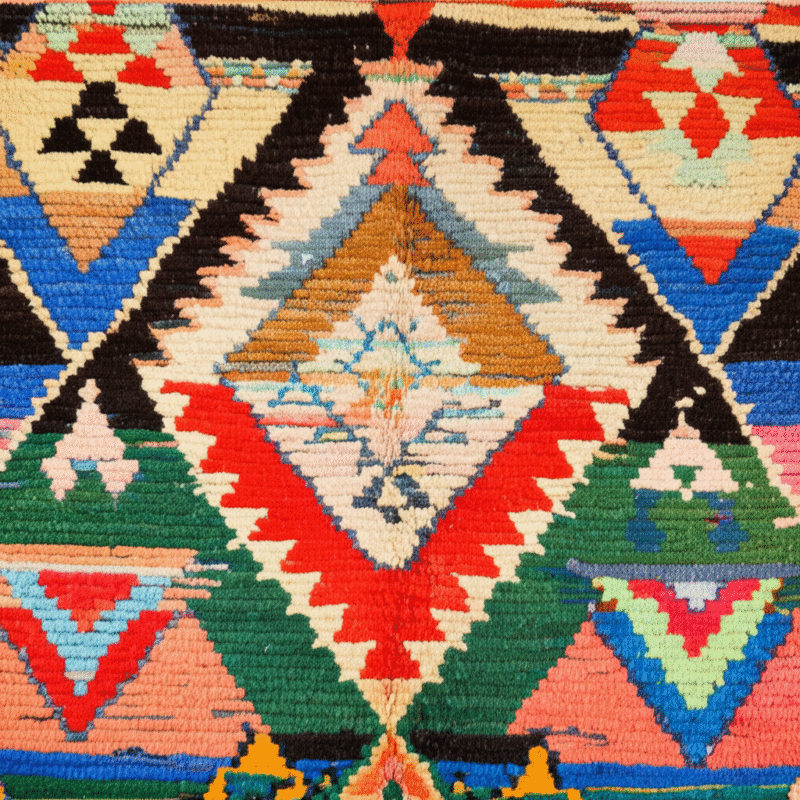
Moroccan rugs, with their vibrant colors, intricate patterns, and rich cultural history, have become increasingly popular in interior design. These rugs, often handmade by Berber artisans, offer a unique and effortless way to add warmth, character, and a touch of global style to any space. From minimalist modern homes to eclectic boho havens, the versatility of these carpets makes them a timeless choice for homeowners and designers alike.
But beyond their aesthetic appeal, what makes Moroccan floor coverings so special? Let’s delve into the captivating world of these textiles, exploring their origins, distinctive features, and the enduring appeal of Berber craftsmanship.
A Rich History Woven into Every Fiber
The story of Moroccan floor coverings is intertwined with the history of the Berber people, the indigenous inhabitants of North Africa. For centuries, hand-made rugs have been an integral part of their culture, serving not only as functional coverings for floors and walls but also as expressions of identity, spirituality, and storytelling. Different tribes and regions developed their unique weaving techniques, motifs, and color palettes, resulting in a diverse range of styles, each carrying its own distinct cultural significance.
Traditionally, weaving was a woman’s craft passed down through generations. Mothers would teach their daughters the intricate techniques and symbolism embedded in each design. These weren’t merely decorations; they were woven narratives of family history, hopes for the future, and reflections of the surrounding natural world. The sheep’s wool, sourced locally, was hand-spun and dyed using natural pigments derived from plants, minerals, and insects, contributing to the rugs’ earthy tones and subtle variations.
Unraveling the Distinctive Styles of Moroccan Rugs
The term “Moroccan carpet” encompasses a wide array of styles, each with its own unique characteristics. Some of the most popular types include:
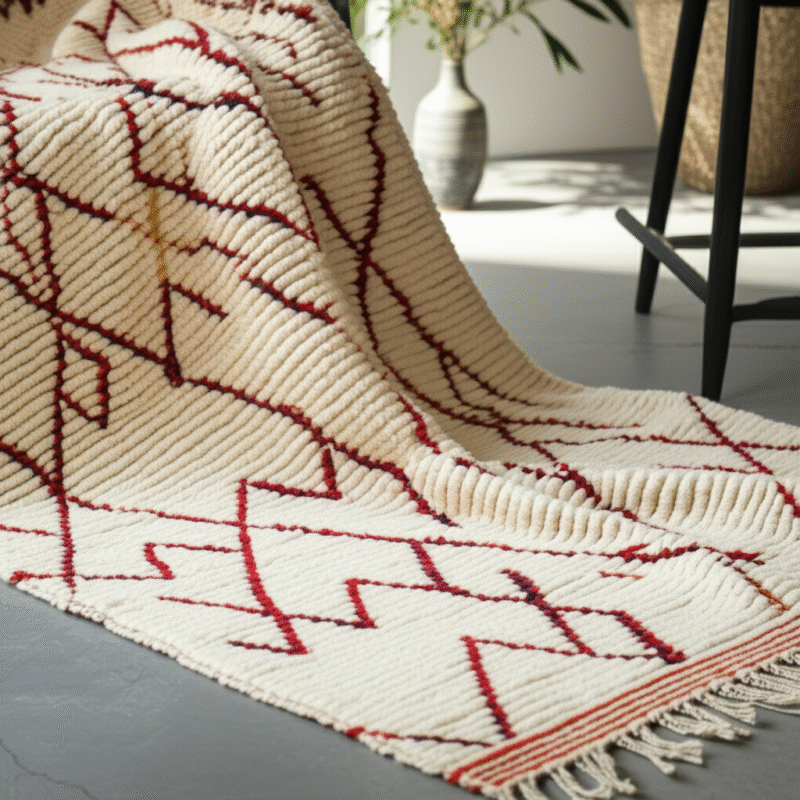
Beni Ourain: Perhaps the most iconic type, Beni Ourain rugs are known for their plush, thick pile, geometric patterns, and neutral color palettes of cream, ivory, and brown. They are usually hand-made by the Berber tribes of the Atlas Mountains. Their minimalist design makes them incredibly versatile, complementing a wide range of interior styles.
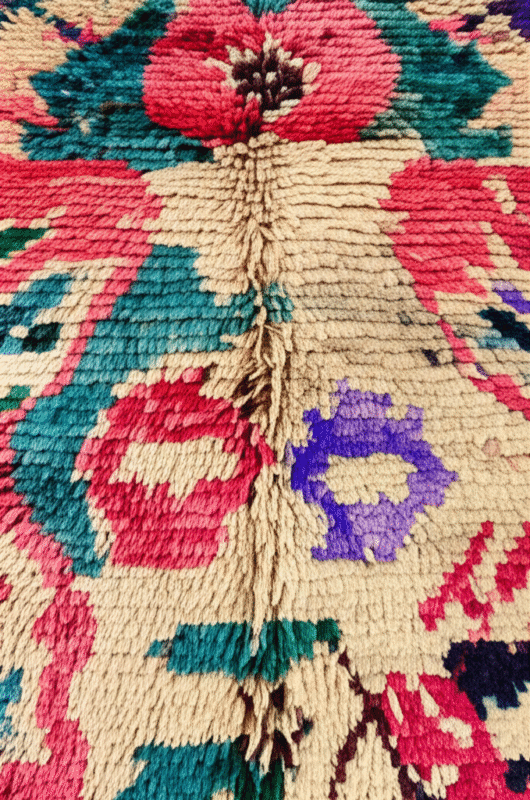
Azilal: These floor coverings hail from the Azilal region and are known for their more colorful and expressive designs. They often feature abstract patterns, tribal symbols, and bold color combinations, reflecting the creative freedom of the weavers.
Boujad: Boujad floor coverings are characterized by their vibrant hues of oranges, pinks, reds, and purples. They often incorporate geometric patterns and abstract designs, creating a bold and eye-catching statement.
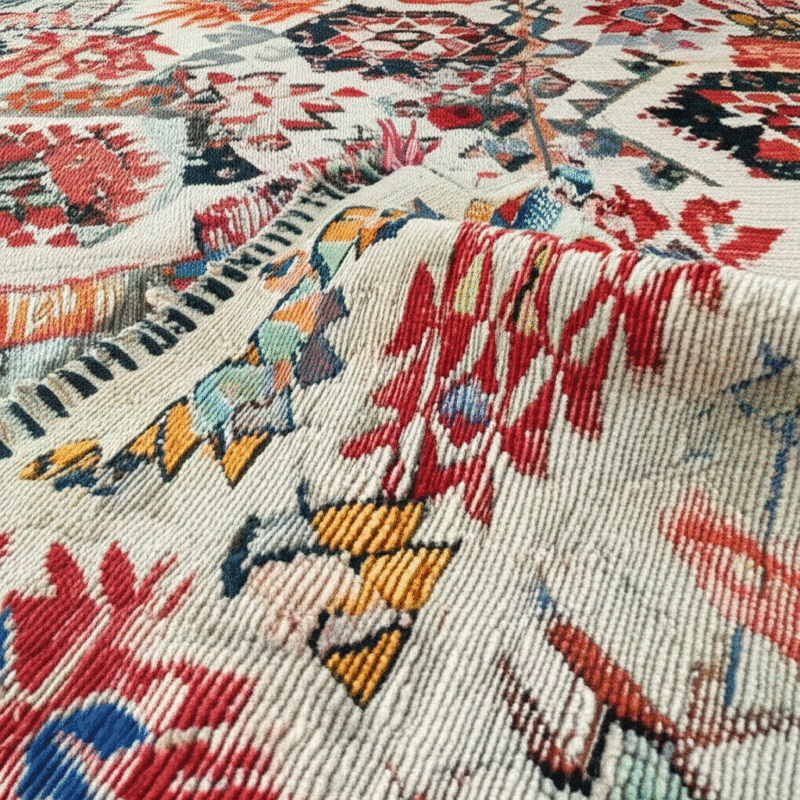
Kilim: Unlike pile rugs, Kilims are flatwoven, creating a lighter and more versatile textile. Moroccan Kilims often feature geometric patterns and bold colors, making them ideal for high-traffic areas or as wall hangings.
Talsint: Coming from the Talsint region, these pieces often use undyed, natural wool, showcasing the raw beauty of the fiber. Their designs tend to be simplistic, using geometric patterns or subtle textures to create visual interest.
Why Choose a Handmade Berber Rug?
Beyond their aesthetic appeal, there are several compelling reasons to choose a hand-made Berber Moroccan carpet for your home:
Unparalleled Quality: Hand-woven rugs are crafted with meticulous attention to detail, using high-quality materials and time-honored techniques. This results in a durable and long-lasting floor covering that will withstand years of use.
Unique Artistry: Each hand-made rug is a one-of-a-kind work of art, reflecting the creativity and skill of the individual weaver. Imperfections and variations in the design add to their charm and authenticity. You aren’t just buying a rug, you are obtaining a slice of Moroccan culture.
Ethical and Sustainable: By purchasing a hand-made Berber product, you are supporting traditional craftsmanship and empowering women artisans in rural communities. The use of natural materials and traditional methods also contributes to a more sustainable approach to home decor.
Effortless Style with Authentic Floor Coverings
Integrating Moroccan rugs into your home decor is easier than you might think. Their versatility allows them to seamlessly blend with a variety of styles:
Bohemian Chic: The vibrant colors and eclectic designs of Moroccan rugs perfectly complement the free-spirited aesthetic of bohemian decor. Pair them with vintage furniture, lush greenery, and layers of textiles for a cozy and inviting space.
Modern Minimalist: A Beni Ourain carpet’s neutral color palette and geometric patterns can add subtle warmth and texture to a modern minimalist space. The rug acts as a grounding element, preventing the room from feeling too sterile or stark.
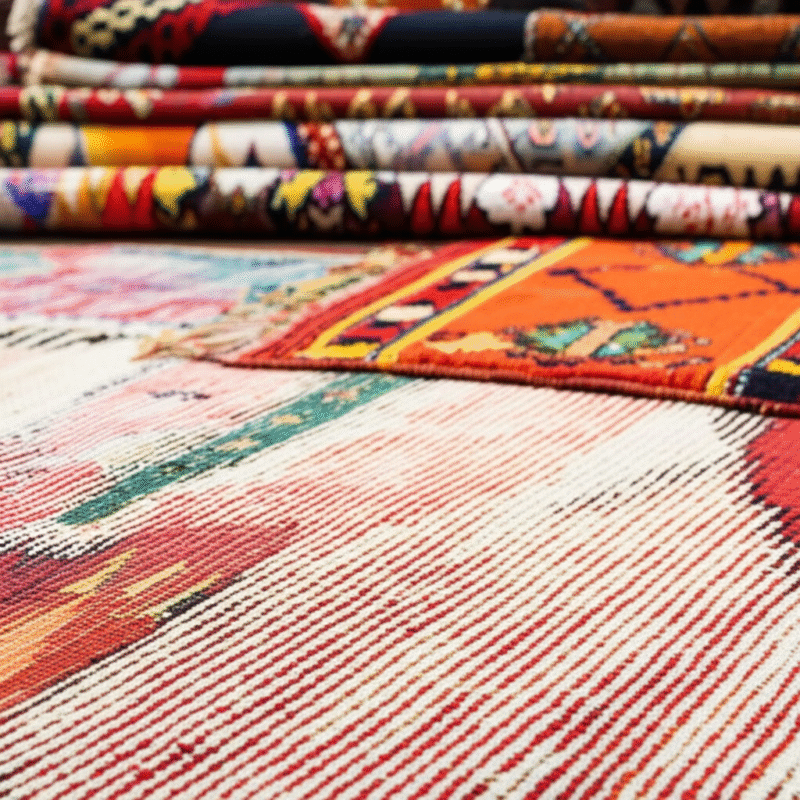
Eclectic Global: Mix and match different types of Moroccan rugs with other globally inspired textiles for a vibrant and layered look. This is a great way to showcase your personal style and create a unique and personalized home.
Coastal Casual: Light-colored hand-made Berber styles can add a touch of warmth and texture to a coastal-themed space without overpowering the relaxed and airy feel.
Caring for Your Treasure
To ensure your Moroccan rugs last for generations, proper care is essential. Regular vacuuming, professional cleaning when needed, and prompt attention to spills will help preserve their beauty and integrity. Consider using a rug pad to protect your floor and prevent the rug from slipping.
In conclusion, Moroccan rugs offer a unique blend of history, artistry, and style that can elevate any living space. Investing in a hand-made Berber rug is not just about acquiring a beautiful object; it’s about connecting with a rich cultural heritage and supporting the talented artisans who keep this tradition alive. With their timeless appeal and effortless elegance, these floor coverings are sure to become treasured heirlooms in your home.