

- Moroccan Rugs: Best Handmade Berber Style?
- A Journey Through History and Craftsmanship
- Why Choose Genuine Handmade Berber Rugs?
- The Rise of Imitation and the Importance of Authenticity
- Moroccan Rugs: Finding the Perfect Handmade Piece
- Conclusion: Investing in Art and Culture
Moroccan Rugs: Best Handmade Berber Style?
Moroccan rugs, with their intricate designs, vibrant colors, and rich cultural heritage, have captivated the world for centuries. Often handmade using traditional Berber techniques, these rugs are more than just floor coverings; they are works of art, reflecting the stories, beliefs, and artistry of the women who weave them. But with increasing popularity and a growing market, are traditionally handmade Berber rugs still the best choice? Let’s delve deeper into the world of Moroccan rugs and explore what makes them so special.
A Journey Through History and Craftsmanship
The story of Moroccan rugs is intertwined with the history of the Berber people, the indigenous inhabitants of North Africa. For generations, Berber women have painstakingly hand-knotted these rugs, passing down their skills and knowledge from mother to daughter. The rugs served a practical purpose – providing warmth and protection from the harsh desert climate – but they also functioned as a form of communication, conveying personal narratives, tribal affiliations, and spiritual beliefs through their symbolic patterns and motifs.
The techniques involved in creating these masterpieces are truly remarkable. The process begins with sourcing high-quality wool, often from the Atlas Mountains. The wool is then spun, dyed using natural pigments derived from plants and minerals, and finally woven on traditional looms. The entire process, from start to finish, can take weeks, months, or even years, depending on the size, complexity, and intricacy of the design.
Different regions of Morocco are known for their distinct rug-making styles. For example:
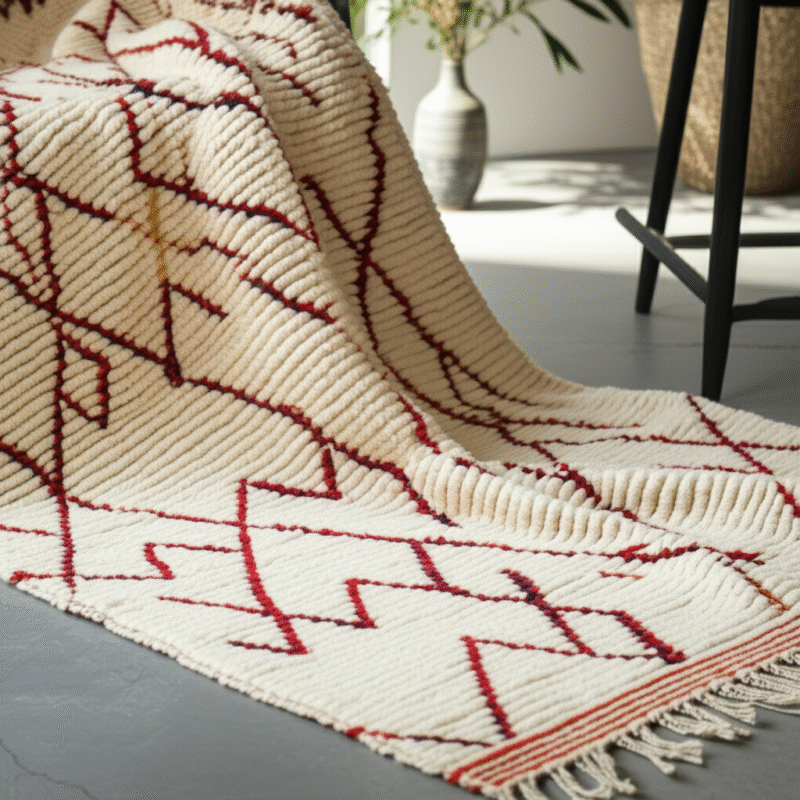
Beni Ourain rugs: Known for their minimalist, geometric designs in natural wool tones, often featuring diamonds, lines, and abstract patterns.
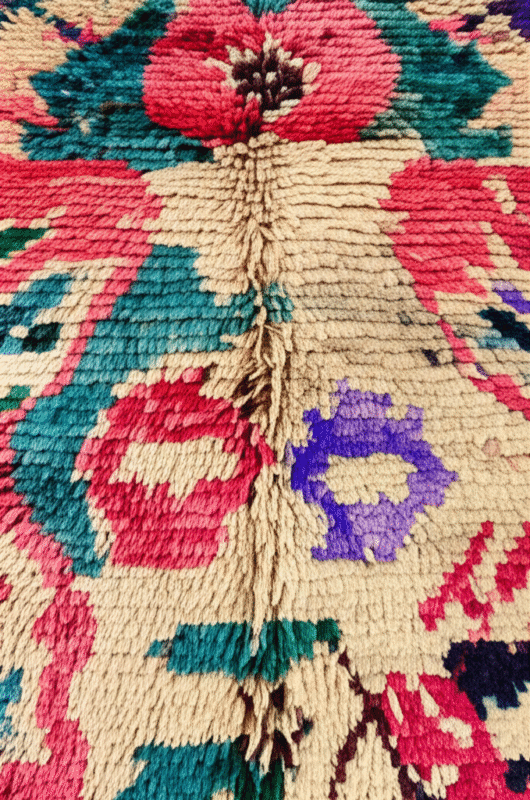
Azilal rugs: Characterized by vibrant colors and bold, free-form designs, often incorporating symbols and figures with personal or tribal significance.
Boujad rugs: Featuring rich, saturated colors and asymmetrical patterns, often incorporating geometric shapes and tribal motifs.
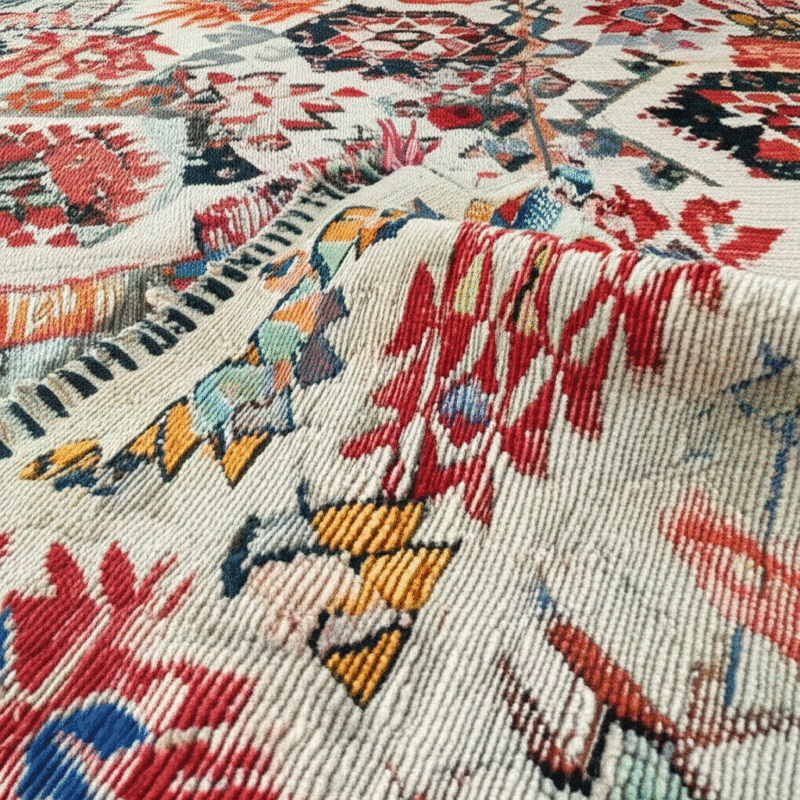
Kilim rugs: Flat-woven rugs without a pile, known for their durability and intricate geometric designs.
Why Choose Genuine Handmade Berber Rugs?
There are many reasons why a genuine, handmade Moroccan rug, crafted in the traditional Berber style, is considered a superior choice. These rugs offer a unique blend of aesthetic beauty, cultural significance, and lasting value. Here’s a closer look at some key advantages:
Unparalleled Quality and Craftsmanship: Each rug is a unique piece of art, meticulously crafted by skilled artisans. The use of high-quality wool and natural dyes ensures durability and longevity, making these rugs heirlooms to be treasured for generations.
Authenticity and Cultural Heritage: Owning a genuine Berber rug is like owning a piece of history. These rugs represent a rich cultural heritage and provide a tangible connection to the Berber people and their traditions.
Unique Designs and Character: Unlike mass-produced rugs, each handmade Moroccan rug is unique, with subtle variations and imperfections that add to its character and charm. The designs often tell a story or reflect the personal experiences of the weaver.
Sustainable and Ethical Production: Traditionally handmade rugs are often produced using sustainable practices, with natural materials and minimal environmental impact. Supporting these artisans also contributes to the preservation of traditional skills and provides economic opportunities for Berber communities.
Investment Value: Due to their unique character, craftsmanship, and cultural significance, genuine Moroccan rugs often appreciate in value over time, making them a worthwhile investment.
The Rise of Imitation and the Importance of Authenticity
The growing popularity of Moroccan rugs has unfortunately led to the rise of imitations, often mass-produced using synthetic materials and machine-made techniques. These imitations may look similar at first glance, but they lack the quality, authenticity, and cultural significance of genuine Berber rugs.
It’s crucial to be able to distinguish between authentic handmade rugs and their imitations. Here are some factors to consider:
Material: Authentic rugs are made from natural wool, while imitations may use synthetic materials like acrylic or polyester.
Construction: Authentic rugs are hand-knotted or hand-woven, while imitations are often machine-made.
Design: Authentic rugs typically feature unique, asymmetrical designs, while imitations may have symmetrical, mass-produced patterns.
Price: Authentic rugs are generally more expensive than imitations, reflecting the quality of materials and the labor-intensive production process.
Source: Buying from reputable dealers who work directly with Berber communities is the best way to ensure authenticity.
Moroccan Rugs: Finding the Perfect Handmade Piece
Finding the perfect Moroccan rugs requires patience and research. Start by identifying your personal style preferences and the type of rug that would best complement your home decor. Consider the size, color, and design of the rug, as well as its intended use and location.
Once you have a clear idea of what you’re looking for, research reputable dealers and online marketplaces that specialize in authentic Berber rugs. Look for dealers who are transparent about their sourcing practices and who can provide information about the rug’s origin, materials, and construction.
Don’t be afraid to ask questions and request close-up photos of the rug’s details. Pay attention to the quality of the wool, the intricacy of the design, and the overall craftsmanship. If possible, consider visiting a showroom or attending a rug fair to examine the rugs in person.
Conclusion: Investing in Art and Culture
In conclusion, while the market offers various options, genuine handmade Moroccan rugs, crafted using traditional Berber techniques, remain the epitome of quality, authenticity, and cultural significance. They are not just floor coverings; they are works of art, imbued with history, symbolism, and the spirit of the Berber people. By choosing an authentic rug, you are not only investing in a beautiful and durable piece for your home but also supporting the preservation of a rich cultural heritage and the livelihoods of talented artisans. When selecting a rug, remember to prioritize authenticity and craftsmanship to ensure that your purchase is a truly cherished investment for years to come.