


Moroccan Rugs: A Deep Dive into Handmade Berber Beauty – Pros & Cons
Moroccan rugs, with their intricate designs and rich history, have captivated homeowners and interior designers for centuries. These aren’t just floor coverings; they are woven stories, each rug a testament to the artistry of Berber women who pour their heritage and creativity into every knot. In this article, we’ll delve into the world of handmade Berber rugs, exploring their beauty, the nuances of their creation, and the pros and cons of owning one of these exquisite pieces.
The Allure of Authentic Berber Rugs
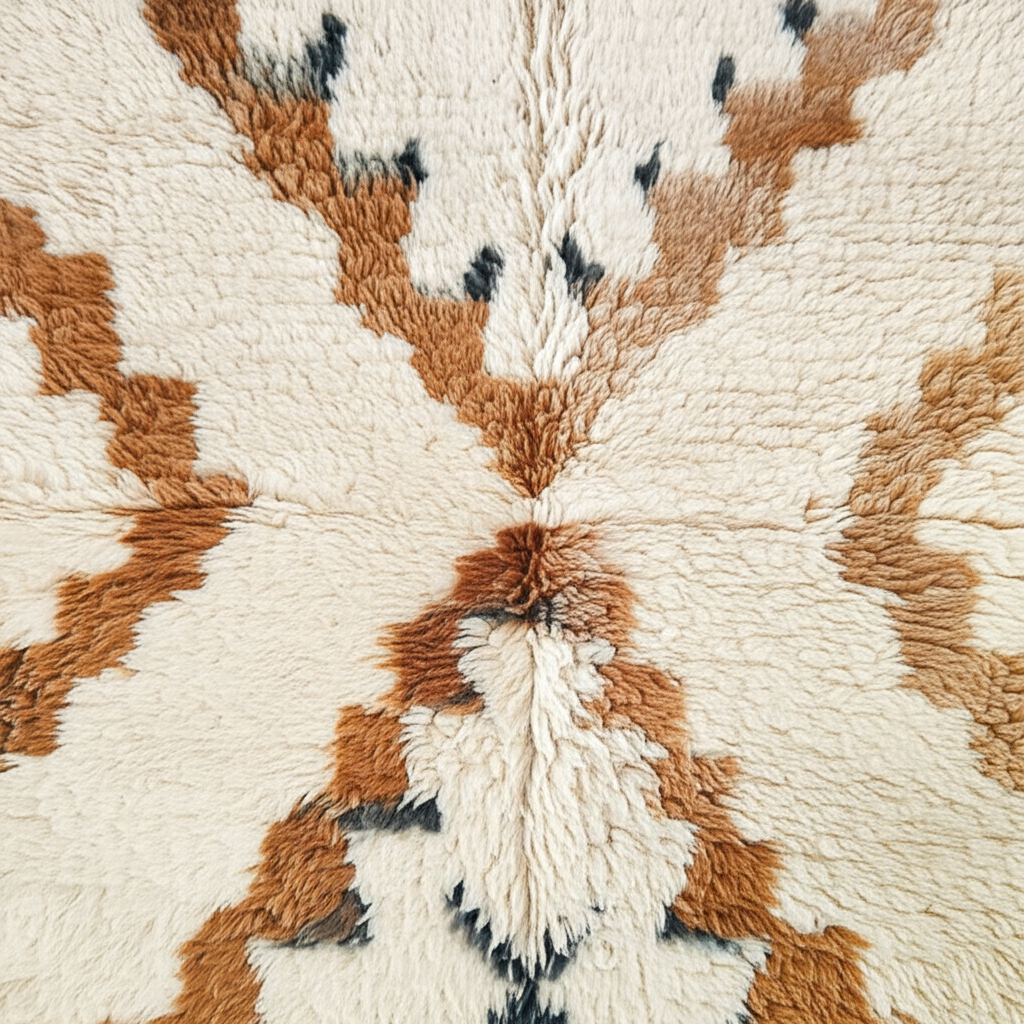
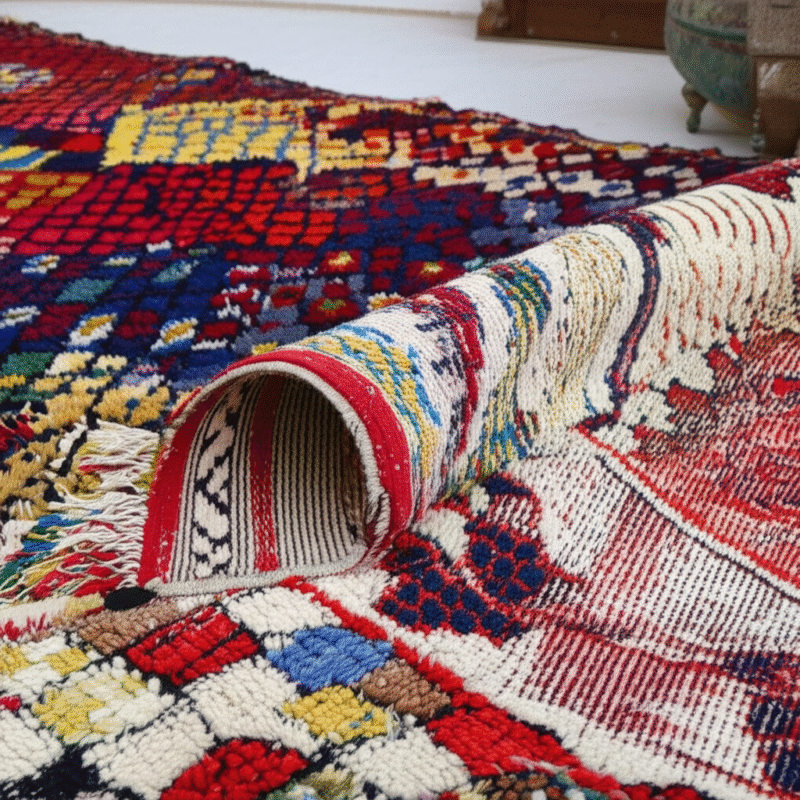
The term “Berber rug” encompasses a broad range of styles originating from the various Berber tribes of Morocco. Each tribe has its distinct weaving techniques, patterns, and color palettes, resulting in a diverse and captivating array of rugs. From the minimalist designs of Beni Ourain rugs to the vibrant hues of Boucherouite rugs, there’s a Berber rug to suit virtually any aesthetic.
The magic of these rugs lies in their handmade nature. Skilled Berber women, often passing down techniques through generations, meticulously tie each knot, imbuing the rug with character and soul. The wool used is often locally sourced, adding to the rug’s authenticity and connection to the land. This artisanal process ensures that each rug is unique, a true work of art reflecting the weaver’s individual expression. They’re not just rugs; they’re tangible pieces of Moroccan culture.
Understanding the Craftsmanship Behind Handmade Moroccan Rugs
The process of creating these rugs is a labor of love, often taking weeks, months, or even years to complete, depending on the size and complexity of the design. It begins with shearing the sheep, followed by washing, carding, and spinning the wool into yarn. Natural dyes, extracted from plants and minerals, are traditionally used to color the yarn, contributing to the rug’s earthy and organic quality.
The actual weaving takes place on a loom, where the weaver carefully ties each knot according to a pre-determined design, or sometimes, intuitively guided by her own creative vision. The knots are then secured, and the excess yarn is trimmed to create the rug’s pile. Finally, the rug is washed and dried in the sun, which enhances its colors and softness.
The best examples of handmade Moroccan craftsmanship are not only visually stunning but also incredibly durable. The dense pile and high-quality wool make them resilient to wear and tear, meaning they can last for generations with proper care.
Pros of Owning a Handmade Moroccan Rug
Unique Aesthetic: No two rugs are exactly alike. The slight imperfections and variations in color and pattern are part of their charm and guarantee a one-of-a-kind piece.
Exceptional Quality and Durability: The use of high-quality wool and the skill of the weavers contribute to the rug’s longevity. These rugs are built to last.
Adds Character and Warmth: These rugs instantly infuse a space with personality and warmth, creating a cozy and inviting atmosphere.
Versatile Design: With such a wide range of styles available, from minimalist to bold, a Moroccan rug can complement various interior design styles from bohemian to modern.
Investment Piece: Authentic, handmade Moroccan rugs can appreciate in value over time, making them a sound investment.
Supports Ethical Trade: Purchasing directly from artisans or reputable sources that prioritize fair trade practices helps support the Berber communities and preserve their traditions.
Natural and Sustainable: Many Moroccan rugs are made using natural wool and dyes, making them an environmentally friendly choice.
Cons to Consider Before Buying
Price: Authentic, handmade Moroccan rugs can be expensive, especially larger sizes and those with intricate designs. The labor-intensive creation process and the quality of materials contribute to the higher price point.
Maintenance: While durable, these rugs require regular cleaning and care to maintain their beauty and longevity. They may need professional cleaning every few years.
Color Variations: Natural dyes can sometimes fade or vary slightly in color, which, while often considered part of the rug’s charm, may not be desired by all buyers.
Shedding: New wool rugs, particularly those with a higher pile, may shed fibers initially. Regular vacuuming can help minimize this.
Finding Authentic Pieces: Distinguishing authentic, handmade rugs from mass-produced imitations can be challenging. It’s crucial to purchase from reputable sources.
* Potential for Imperfections: Due to their handmade nature, these rugs may have slight imperfections, such as uneven knots or minor color variations. While these imperfections add to their character, some buyers may prefer a more uniform look.
Making the Right Choice: Choosing Your Moroccan Rug
When seeking the perfect Moroccan rugs, prioritize finding a reputable seller who can provide detailed information about the rug’s origin, materials, and weaving process. Ask about the type of wool used, the dyes employed, and the tribe from which the rug originates. Inspect the rug carefully for any signs of damage or wear and tear.
Consider your budget and the size and style of rug that will best suit your space. Different types of Berber rugs will complement different decors. For example, neutral Beni Ourain rugs often work well in minimalist or Scandinavian-inspired rooms, while colorful Boucherouite rugs can add a vibrant pop to eclectic spaces.
Ultimately, choosing a handmade Berber rug is about more than just finding a floor covering. It’s about connecting with a rich cultural heritage, supporting sustainable craftsmanship, and bringing a touch of artistry and warmth into your home. Weigh the pros and cons, do your research, and choose a rug that speaks to you – a piece that will be treasured for years to come. Because in the grand scheme of home décor, these rugs aren’t just rugs – they’re heirlooms in the making.