

- Moroccan Rugs: Unveiling the Magic of Handmade Berber Style
- The Allure of Berber Craftsmanship
- Different Types of Moroccan Rugs: A Tapestry of Styles
- Why Are Handmade Moroccan Rugs So Highly Valued?
- Choosing the Perfect Handmade Moroccan Rug for Your Space
- Are They The "Best" Handmade Berber Style?
Moroccan Rugs: Unveiling the Magic of Handmade Berber Style
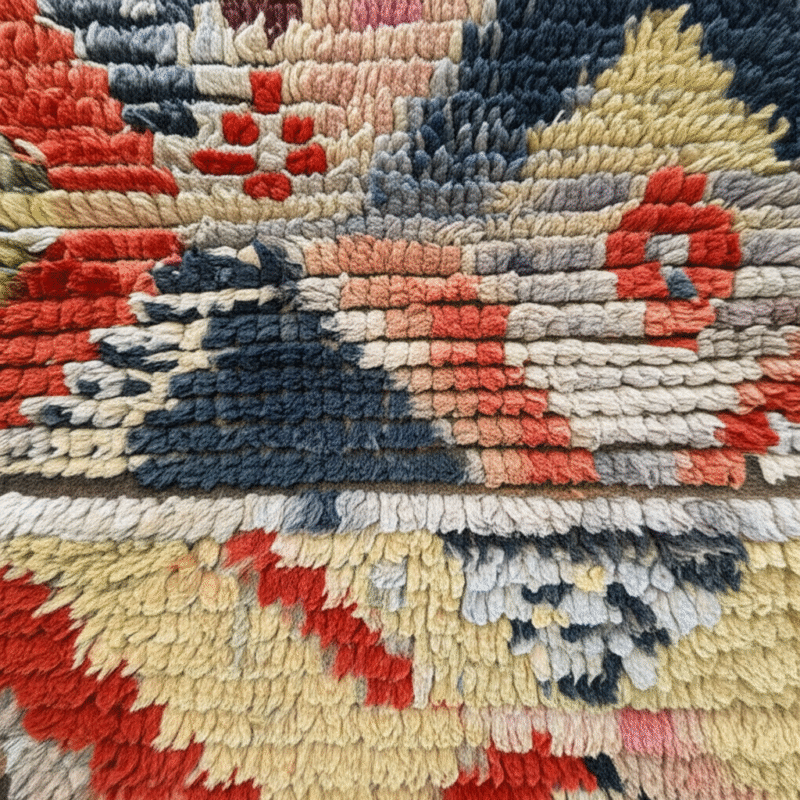
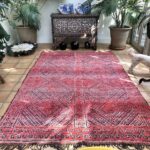
Moroccan rugs, with their vibrant colors, intricate designs, and rich history, have captivated art lovers and interior designers for centuries. More than just floor coverings, these handcrafted masterpieces tell stories of generations past, reflecting the culture and traditions of the Berber people. Are these rugs truly the “best” example of handmade Berber style? Let’s delve deeper into the fascinating world of Moroccan rugs and explore what makes them so unique and sought after.
The Allure of Berber Craftsmanship
Berber rugs are born in the Atlas Mountains and other regions of Morocco, where the indigenous Berber people have meticulously honed their weaving skills for centuries. This ancestral craft is passed down through families, with each generation adding its own unique touch and interpretation to the designs. The process is entirely handmade, from shearing the sheep to spinning the wool, dyeing the fibers, and finally, weaving the rug on a traditional loom. This dedication to traditional techniques ensures that each rug is a one-of-a-kind work of art, imbued with the spirit and skill of its creator.
The “Berber style” specifically refers to the distinct aesthetic that originates from these tribes. Characteristics of this style include:
Geometric Patterns: Abstract geometric shapes, often diamond-like and symmetrical, are a hallmark of Berber rugs. These patterns hold symbolic meanings related to nature, fertility, and protection.
Natural Materials: Predominantly made from sheep’s wool, Berber rugs often incorporate other natural fibers like cotton and goat hair. This gives them a soft, durable, and eco-friendly quality.
Asymmetrical Designs: While often symmetrical, the handmade nature means slight imperfections and asymmetries are common and embraced as part of the rug’s unique character.
Use of Color: From earthy tones to vibrant hues, the colors used in Berber rugs often reflect the natural dyes available in their environment.
Different Types of Moroccan Rugs: A Tapestry of Styles
While all Moroccan rugs share the common thread of Berber craftsmanship, they exhibit a diverse range of styles, each with its distinct characteristics and origin. Some of the most popular types include:
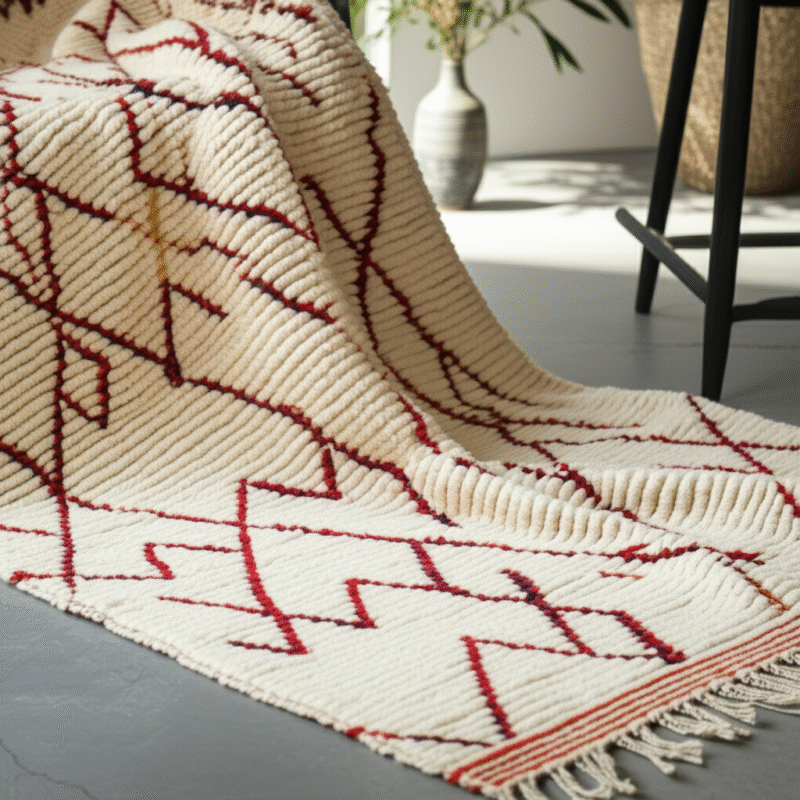
Beni Ourain: These rugs, known for their plush pile and minimalist design, are woven by the Beni Ourain tribes of the Atlas Mountains. They typically feature simple geometric patterns, primarily diamonds, in natural ivory and brown shades.
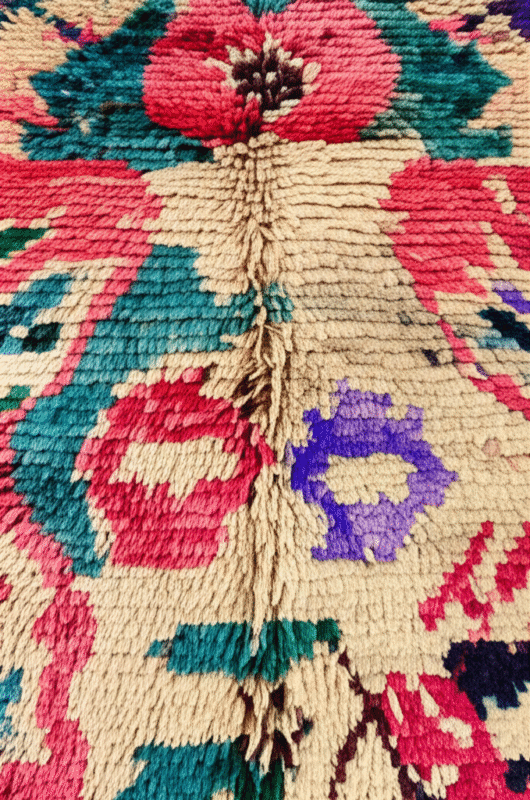
Azilal: Woven by the Azilal tribes, these rugs are characterized by their bold colors, asymmetrical designs, and playful patterns. They often incorporate symbols and motifs that represent the weaver’s personal story or experiences.
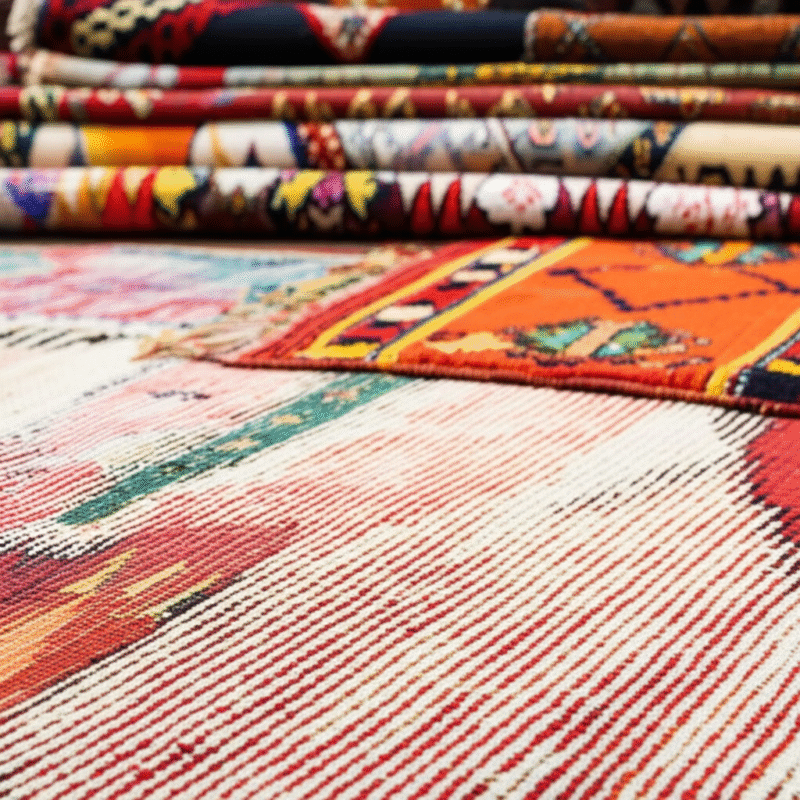
Boucherouite: These rugs are a testament to Berber resourcefulness. Made from recycled textile scraps, Boucherouite rugs are a celebration of color and texture. They feature a mosaic of fabrics, creating a vibrant and eclectic aesthetic.
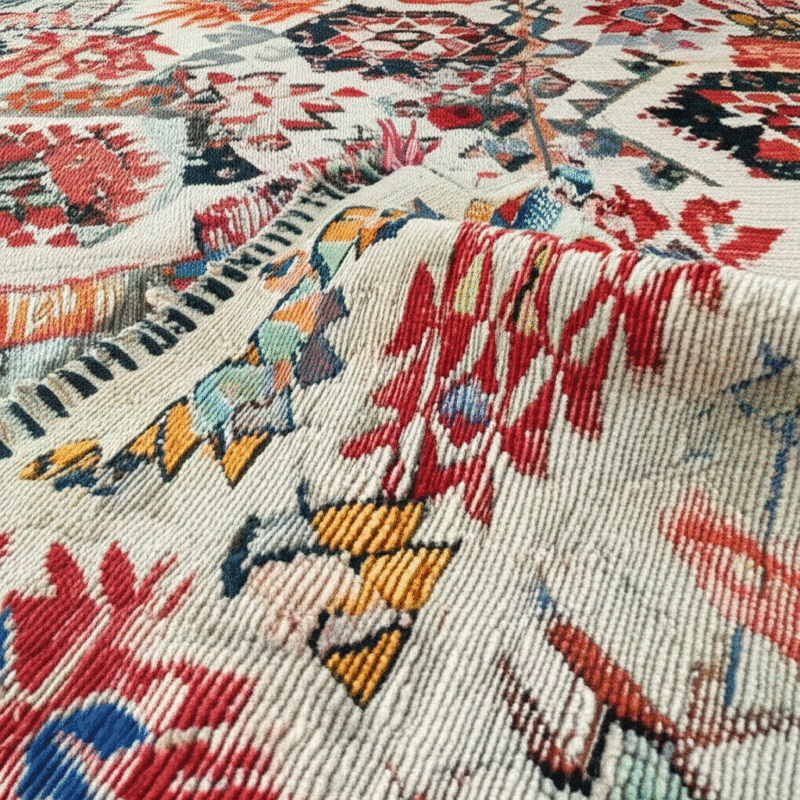
Kilim: These flatweave rugs are lightweight and durable, making them ideal for high-traffic areas. They feature intricate geometric patterns and are often used as wall hangings or throws.
Why Are Handmade Moroccan Rugs So Highly Valued?
The appeal of Moroccan rugs extends beyond their aesthetic beauty. Several factors contribute to their enduring popularity and high value:
Authenticity and Uniqueness: Each rug is a unique creation, imbued with the personality and skill of the weaver. No two are exactly alike, making them highly prized by collectors and design enthusiasts.
Timeless Design: The geometric patterns and natural materials used in Moroccan rugs have a timeless appeal that transcends trends. They can seamlessly integrate into a variety of interior styles, from traditional to modern.
Durability and Longevity: Made from high-quality wool and crafted with meticulous attention to detail, Moroccan rugs are incredibly durable and can last for generations with proper care.
Cultural Significance: These rugs are more than just decorative objects; they are tangible expressions of Berber culture and history. Owning a Moroccan rug is like owning a piece of art with deep cultural significance.
Choosing the Perfect Handmade Moroccan Rug for Your Space
When selecting a Moroccan rug for your home, consider the following factors:
Size and Shape: Determine the appropriate size and shape of the rug based on the dimensions of your space and the furniture arrangement.
Color and Pattern: Choose a rug with colors and patterns that complement your existing decor and reflect your personal style.
Pile Height: Consider the pile height based on your preferences and the intended use of the rug. High-pile rugs are luxurious and comfortable but may require more maintenance.
Authenticity: Look for signs of handmade craftsmanship, such as slight imperfections and variations in color and pattern.
Ethical Sourcing: Support fair trade practices by purchasing rugs from reputable dealers who work directly with Berber artisans and ensure they receive fair compensation.
Are They The “Best” Handmade Berber Style?
Determining whether Moroccan rugs are the “best” example of handmade Berber style is subjective and depends on individual preferences. However, their widespread recognition, diverse styles, and enduring popularity suggest they represent a significant and highly appreciated form of this art. From the minimalist elegance of Beni Ourain rugs to the vibrant creativity of Boucherouite creations, each moroccan rugs tells a unique story, showcasing the incredible skill and artistry of the Berber people. The handmade nature and rich cultural heritage make them a valuable and cherished addition to any home. Ultimately, exploring the diverse world of Berber* rugs is a journey of discovery, where the “best” rug is the one that resonates most deeply with your personal taste and appreciation for authentic craftsmanship.