

- Moroccan Rugs: A Stunning History of Berber Handmade Art
- A Legacy Woven in Wool: The Berber Origins
- The Art of Handmade Rug Creation
- Exploring the Diverse Styles of Moroccan Rugs
- The Enduring Appeal of Berber Art
Moroccan Rugs: A Stunning History of Berber Handmade Art
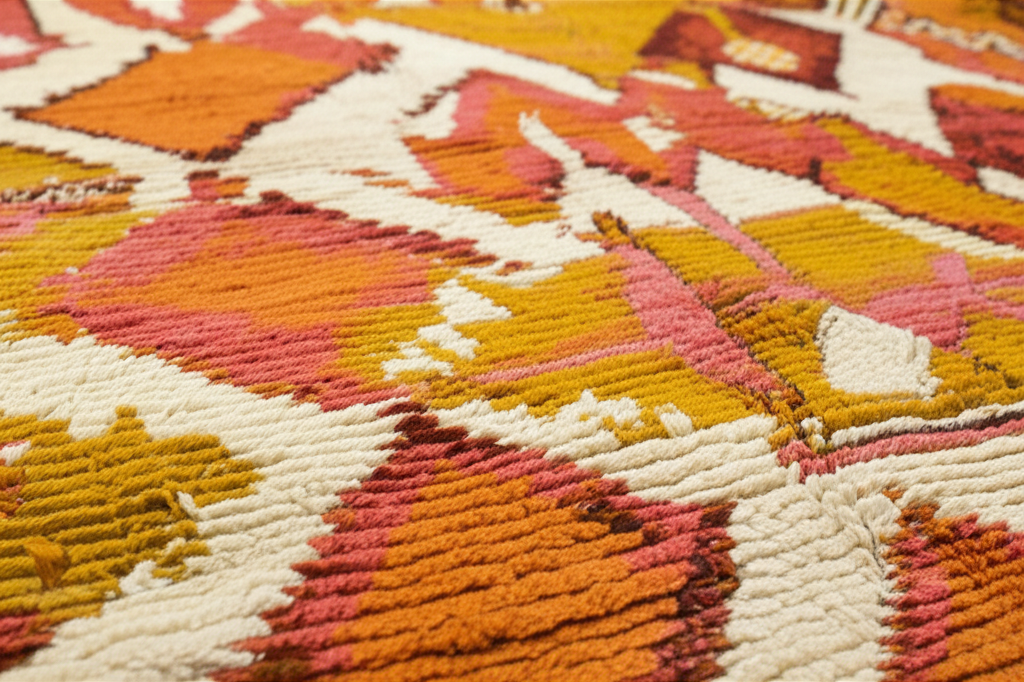
Moroccan rugs are more than just floor coverings; they’re vibrant tapestries woven with history, culture, and the spirit of the Berber people. Each rug tells a story, a visual narrative passed down through generations of skilled artisans. These handmade masterpieces are coveted for their unique designs, rich colors, and enduring quality, making them a sought-after addition to homes around the world.
From the snow-capped Atlas Mountains to the arid Sahara Desert, the diverse landscapes of Morocco have inspired a breathtaking array of rug styles. Understanding the origins and techniques behind these stunning textiles offers a deeper appreciation for their beauty and cultural significance.
A Legacy Woven in Wool: The Berber Origins
The story of Moroccan rugs begins with the Berber people, the indigenous inhabitants of North Africa. For centuries, these nomadic and semi-nomadic tribes have relied on sheep for sustenance and survival. Wool, a readily available resource, became the primary material for crafting essential items, including tents, clothing, and of course, rugs.
Initially, these rugs served practical purposes – providing warmth, insulation, and comfortable sleeping surfaces. However, over time, they evolved into expressive art forms, reflecting the traditions, beliefs, and experiences of the Berber communities.
The significance of the designs woven into the rugs goes far beyond mere aesthetic appeal. Each symbol, color, and geometric pattern holds a specific meaning, often representing fertility, protection, spirituality, or ancestral lineage. These visual elements were passed down through generations, preserving the cultural heritage of the Berber people.
The Art of Handmade Rug Creation
The process of creating a Moroccan rug is a labor of love, requiring exceptional skill, patience, and dedication. It’s a tradition steeped in ritual and craftsmanship, often passed down through families, with women playing a central role.
The journey begins with the shearing of the sheep, followed by the washing, carding, and spinning of the wool. Natural dyes, derived from plants, minerals, and insects, are used to achieve a vibrant spectrum of colors. Common sources include indigo for blue, henna for orange, and madder root for red.
The actual weaving process takes place on a traditional loom, which can be either horizontal or vertical, depending on the region and the desired rug style. Using intricate knotting techniques, the weavers meticulously create the distinctive patterns and textures that characterize Moroccan rugs. The type of knot used, the density of the knots, and the quality of the wool all contribute to the rug’s durability and aesthetic appeal.
Often, several artisans work collaboratively on a single rug, each contributing their expertise and adding their unique touch to the overall design. This collaborative effort strengthens community bonds and ensures the preservation of traditional techniques.
Exploring the Diverse Styles of Moroccan Rugs
The beauty of Moroccan rugs lies in their incredible diversity. Each region boasts its own distinct style, characterized by unique patterns, colors, and weaving techniques. Some of the most well-known styles include:
Beni Ourain: Originating from the High Atlas Mountains, Beni Ourain rugs are known for their plush pile, geometric designs, and neutral color palettes (primarily creams, whites, and browns). They often feature minimalist patterns of diamonds, lines, and abstract figures.
Azilal: Also from the High Atlas, Azilal rugs are bolder and more expressive than Beni Ourain rugs. They incorporate a wider range of colors and feature intricate patterns, often combining geometric designs with tribal symbols and figurative elements.
Boucherouite: These unconventional rugs are crafted from recycled fabrics, creating a vibrant and eclectic aesthetic. Each Boucherouite rug is a unique work of art, showcasing the resourcefulness and creativity of the Berber weavers.
Kilim: Unlike pile rugs, Kilims are flatwoven, creating a smooth and durable surface. Moroccan Kilims often feature geometric patterns and bold colors.
The Enduring Appeal of Berber Art
Moroccan rugs have captivated collectors and designers for decades, and their popularity continues to grow. Their unique aesthetic, rich history, and exceptional craftsmanship make them a valuable investment and a cherished addition to any home. Whether you prefer the minimalist elegance of a Beni Ourain rug or the vibrant eclecticism of a Boucherouite, there’s a Moroccan rug to suit every taste and style.
Beyond their aesthetic value, these rugs offer a tangible connection to the Berber culture and a reminder of the enduring power of handmade art. Owning a Moroccan rug is more than just owning a decorative object; it’s owning a piece of history, a testament to the skill and artistry of the Berber people, and a vibrant expression of Moroccan heritage. When selecting a Moroccan rug, remember that you are acquiring a piece of cultural heritage that has been passed down through generations – a legacy woven in wool.